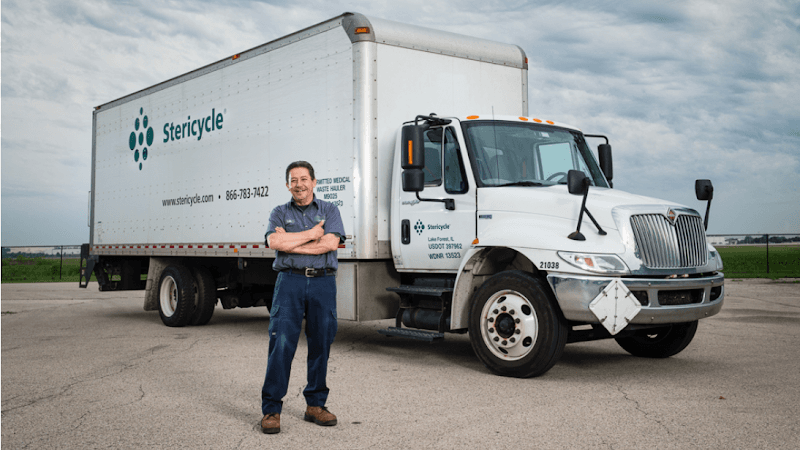
Stericycle operates a waste management facility at 1525 Chestnut Hill Rd in Morgantown, Pennsylvania, serving the southeastern Pennsylvania region and surrounding areas. The company is part of a larger national organization that specializes in regulated waste management, with particular expertise in medical waste disposal, pharmaceutical waste handling, and compliance services for healthcare facilities and businesses that generate hazardous materials.
The Morgantown location functions as a service hub for pickup, delivery, and collection operations, supporting healthcare providers, medical offices, dental practices, veterinary clinics, pharmacies, and other organizations that require specialized waste disposal services. The facility maintains wheelchair accessible entrances and parking areas, accommodating visitors and clients with mobility requirements.
Services and Operations
Stericycle's core business centers on the collection and proper disposal of regulated waste streams that cannot be processed through conventional municipal waste systems. Medical waste, also known as biohazardous or infectious waste, represents a significant portion of the company's operations. This category includes sharps containers, contaminated materials from medical procedures, laboratory waste, and other potentially infectious items that require specialized handling and treatment.
The company provides scheduled pickup services on regular routes, with drivers visiting client locations on designated days to collect filled containers and replace them with empty ones. This rotation system ensures healthcare facilities maintain compliance with state and federal regulations governing the storage and disposal of medical waste. Pennsylvania regulations, like those in most states, impose strict timelines on how long medical waste can be stored on-site before collection.
Beyond routine pickups, the Morgantown facility also handles on-demand service requests. Medical offices experiencing higher-than-normal waste volumes, facilities dealing with special circumstances, or new clients requiring initial setup can arrange non-scheduled pickups and deliveries. The operational model appears designed to minimize the administrative burden on client facilities, with route drivers maintaining awareness of each location's typical needs and patterns.
Pharmaceutical waste disposal represents another service category, addressing the growing regulatory requirements around proper disposal of expired, unused, or contaminated medications. Healthcare facilities, pharmacies, and long-term care centers face increasingly stringent rules about how pharmaceutical waste must be segregated, documented, and destroyed. Stericycle provides the containers, collection services, and documentation trails these organizations need to demonstrate compliance.
Industry Context and Regulatory Environment
The medical waste management industry operates within a complex regulatory framework involving federal agencies including the Environmental Protection Agency, the Occupational Safety and Health Administration, and the Department of Transportation, as well as state-level environmental and health departments. Pennsylvania's Department of Environmental Protection maintains specific regulations governing the transportation, treatment, and disposal of infectious and chemotherapeutic waste.
Waste management companies serving this sector must maintain appropriate permits, employ trained personnel, use approved transportation methods, and ensure waste reaches licensed treatment facilities. Treatment methods typically include autoclaving, which uses high-pressure steam to sterilize waste, or incineration for certain waste categories. The chain of custody documentation required for regulated waste creates significant paperwork requirements that service providers help their clients manage.
For healthcare facilities, proper waste management is not merely an operational consideration but a compliance obligation with potential legal and financial consequences. Improper disposal can result in regulatory citations, fines, and reputational damage. This regulatory pressure creates consistent demand for professional waste management services and places a premium on reliability and documentation accuracy.
Service Area and Client Base
The Morgantown facility's location in Berks County positions it to serve a substantial geographic area in southeastern Pennsylvania. The region contains numerous healthcare facilities, from major hospital systems to small independent practices, all of which generate regulated waste requiring proper disposal. The area's mix of suburban communities, small towns, and rural areas means service routes likely cover considerable distances.
Typical clients for a facility of this type include physician offices, dental practices, outpatient surgical centers, dialysis clinics, veterinary hospitals, funeral homes, tattoo parlors, laboratories, and long-term care facilities. Each client type generates different waste streams and volumes, requiring service plans tailored to their specific operational patterns.
Smaller medical practices may require only monthly pickup of a single sharps container, while larger facilities might need multiple weekly visits to manage substantial waste volumes. The service model must accommodate this variability while maintaining route efficiency and consistent service quality across diverse client types.
Operational Characteristics
The day-to-day operations of a medical waste service facility revolve around route management, container logistics, and client communication. Drivers follow established routes, arriving at client locations to swap containers, verify quantities, and obtain necessary signatures on manifests and tracking documents. These interactions, while brief, occur regularly and form the primary point of contact between the company and its clients.
Container management represents a significant logistical component. The company supplies various container types and sizes appropriate for different waste categories, from small sharps containers for individual exam rooms to larger bins for high-volume generators. Tracking container inventory, ensuring clients have adequate supplies, and managing the return flow of containers for cleaning and reuse or proper disposal requires systematic processes.
Documentation requirements in regulated waste management are substantial. Each pickup generates paperwork tracking what was collected, when, and from whom. This documentation must be maintained for regulatory compliance and provides the audit trail clients need to demonstrate proper waste handling. Modern waste management operations typically use electronic tracking systems to manage this information flow.
Facility Accessibility
The Morgantown location maintains accessibility features including wheelchair accessible entrances and parking facilities. For a waste management operation, these accommodations primarily serve administrative visitors, prospective clients touring the facility, or employees with mobility requirements. The physical accessibility of the location reflects broader compliance with Americans with Disabilities Act requirements for commercial facilities.
Contact and Service Inquiries
The facility can be reached at +1 331-300-3238 for service inquiries, account management, or scheduling requests. Businesses seeking waste management services typically begin with an assessment of their waste generation patterns, regulatory requirements, and service frequency needs. Initial consultations help determine appropriate container types, pickup schedules, and service agreements.
Organizations considering medical waste management services should be prepared to discuss their waste volumes, types of materials generated, current storage arrangements, and any specific compliance requirements related to their industry or licensing. Service agreements typically specify pickup frequency, container provisions, pricing structures, and the respective responsibilities of the service provider and client facility.