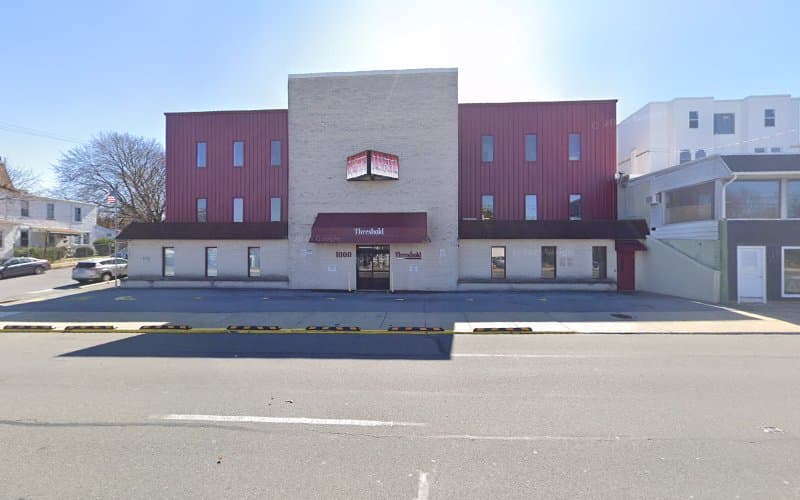
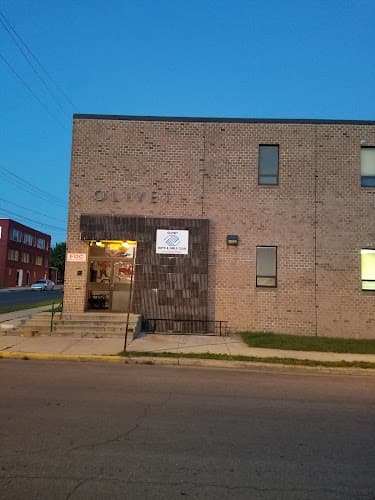
Threshold Rehabilitation Services is a mental health service organization based at 1000 Lancaster Avenue in Reading, Pennsylvania. Operating under the name TRS, the organization provides behavioral health and rehabilitation services to adults and, depending on the program, adolescents and families across Berks County and the surrounding region of southeastern Pennsylvania. Its Lancaster Avenue location functions as a primary point of contact for intake, scheduling, and administrative questions, with additional program sites and community based services extending the organization's reach beyond a single office.
The organization operates in the nonprofit human services sector, a field in which agencies typically combine clinical treatment with practical support aimed at helping people live and work independently. That blended approach is reflected in the range of programming associated with TRS, which spans counseling and psychiatric services alongside rehabilitation, vocational, and residential supports.
Services and Program Areas
Threshold Rehabilitation Services is known for addressing behavioral health needs through several coordinated service lines rather than a single type of appointment. While specific program availability can change over time and should be confirmed directly with staff, the organization's service areas have historically included:
- Outpatient behavioral health treatment, including individual counseling and psychotherapy for adults
- Psychiatric rehabilitation services focused on skill building, goal setting, and community reintegration
- Case management and service coordination for individuals navigating multiple systems of care
- Vocational rehabilitation and employment support, including job readiness, placement assistance, and on the job coaching
- Residential and community living programs for adults with mental health diagnoses or intellectual and developmental disabilities
- Support services designed to help clients maintain housing, employment, and daily living routines
Prospective clients and referring professionals often contact the Reading office first to determine which program fits a given situation. Because eligibility for publicly funded behavioral health and rehabilitation programs in Pennsylvania frequently depends on diagnosis, county of residence, and funding source, an initial conversation with intake staff is usually the fastest way to clarify options.
Counseling and Therapy
Individual therapy is among the services most frequently associated with the organization. Clients work with licensed or supervised clinical staff on concerns such as depression, anxiety, mood disorders, grief, relationship difficulties, and the long term effects of childhood or family trauma. Trauma focused work appears to be a recognized strength of the clinical team, with sessions oriented toward understanding the origins of distress and developing a more workable relationship with past experiences rather than simply managing symptoms in isolation.
Outpatient therapy at agencies of this kind is generally scheduled as a recurring series of appointments, often weekly or biweekly at the outset, with frequency adjusted as treatment progresses. Clients are typically asked to complete an intake assessment before regular sessions begin. That assessment establishes a treatment plan, identifies goals, and determines whether additional services, such as medication management or psychiatric rehabilitation, may be appropriate alongside talk therapy.
Rehabilitation and Employment Support
The word rehabilitation in the organization's name reflects a focus that extends past the therapy room. Psychiatric rehabilitation and vocational programming are built around the idea that recovery is measured in part by daily functioning: holding a job, managing a household, maintaining relationships, and participating in community life. Staff in these programs may work with clients on resume preparation, interview practice, workplace communication, transportation planning, budgeting, medication routines, and other practical skills.
Employment services in this field often involve coordination with outside parties, including the Pennsylvania Office of Vocational Rehabilitation, county behavioral health offices, employers, and job coaches. Individuals interested in returning to work, or in working for the first time after a period of treatment, can ask intake staff how referrals and funding typically work for these supports.
Location and Service Area
The Lancaster Avenue address places the organization on one of Reading's main south side corridors, accessible from the city's central neighborhoods as well as from surrounding Berks County communities such as Shillington, Mohnton, Kenhorst, Wyomissing, and Exeter Township. The corridor is served by local bus routes and connects readily to Route 222, Route 724, and Route 422, which makes the office reachable for clients traveling from outlying boroughs and townships.
Because some TRS programming is delivered in the community, in residential settings, or at the client's home, the practical service area for certain programs is broader than the immediate neighborhood. Individuals unsure whether they live within a program's coverage area can confirm by phone.
Facility and Accessibility
The Reading location is set up to accommodate visitors with mobility needs. Reported accessibility features include a wheelchair accessible entrance, a wheelchair accessible restroom, and a wheelchair accessible parking lot. Restrooms are available on site for clients and visitors. Clients who use a wheelchair, walker, or other mobility device, or who are arriving with a companion or aide, can generally plan on entering and moving through the building without needing to navigate steps at the entrance.
Contacting the Organization
The Reading office can be reached at +1 610-777-7691. Callers seeking services are often asked for basic identifying information, insurance or funding details, and a short description of the reason for the inquiry so that the request can be directed to the right program.
A few practical points worth preparing before a first call or appointment:
- Insurance card or Medical Assistance information, if applicable
- Photo identification and proof of address
- Names of current medications and prescribing providers
- Any prior evaluations, discharge summaries, or referral paperwork
- A list of goals or concerns to discuss during the intake assessment
Individuals experiencing an immediate crisis should use county crisis services or emergency numbers rather than waiting for a scheduled appointment, then follow up with the office about ongoing treatment. For everyone else, a phone call to the Lancaster Avenue office is the standard starting point for learning what Threshold Rehabilitation Services offers and how to begin.