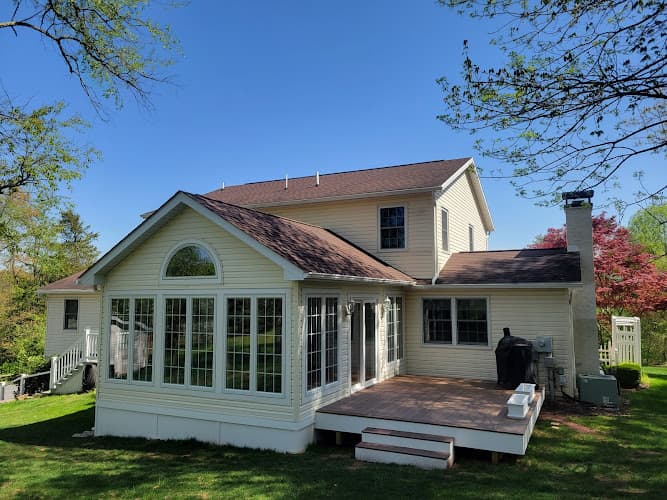
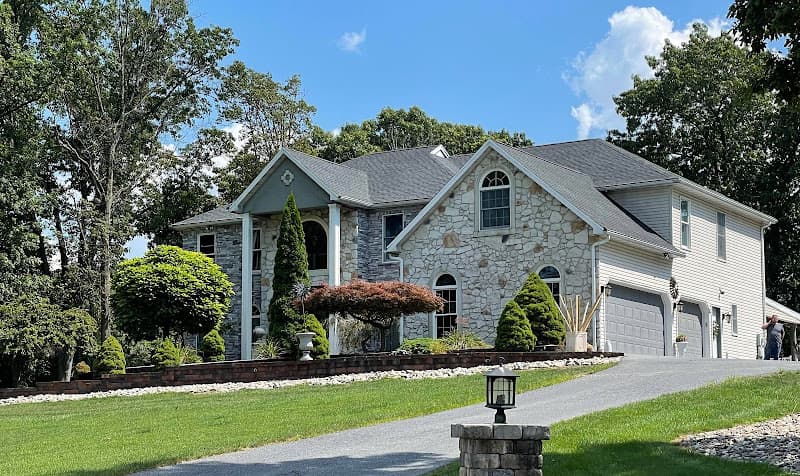
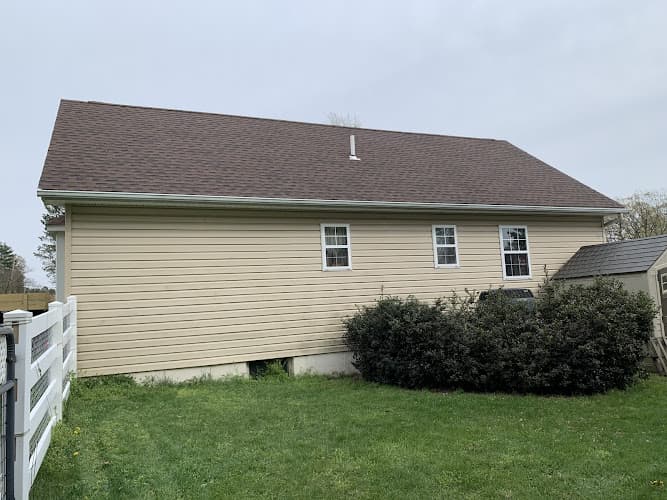
Trinity Solar - Katulka Team is a residential solar energy contact point located at 11 N 1st St in Schartlesville, Pennsylvania, in Berks County. The listing represents a local team operating under the Trinity Solar name, one of the larger family owned solar installation companies in the eastern United States. Homeowners in the surrounding area use this location to arrange solar assessments, discuss system design and financing, and coordinate installation work on rooftop and ground mounted photovoltaic systems.
The team can be reached by phone at (484) 877-0009, and general company information, service descriptions, and consultation request forms are available at trinitysolar.com.
Background on Trinity Solar
Trinity Solar began in 1994 in New Jersey and grew out of a background in home energy work before residential solar became widely available. The company remained family owned as it expanded, and over the following decades it built one of the larger installation portfolios in the Northeast, with tens of thousands of residential systems completed across multiple states. Its service footprint has grown to include New Jersey, New York, Pennsylvania, Connecticut, Massachusetts, Rhode Island, New Hampshire, Delaware, Maryland, and Florida.
Because Trinity handles sales, design, installation, and service using its own personnel rather than subcontracting the entire process to outside crews, homeowners typically deal with a single company from the initial site visit through system activation and any later service calls. Local teams such as the Katulka Team serve as the community facing part of that structure, handling consultations and follow up for specific regions.
Services
The core offering is grid tied residential solar photovoltaic installation. Typical work includes:
- Site evaluation and shade analysis to determine whether a roof or property is suitable for solar production
- Custom system design sized to a household's historical electricity usage
- Rooftop solar panel installation on asphalt shingle, architectural shingle, metal, and flat roof surfaces
- Ground mounted arrays for properties with open land and limited roof area, a common situation on larger rural lots in Berks and Schuylkill counties
- Inverter and monitoring equipment setup so homeowners can track production from a phone or computer
- Battery storage options for backup power during outages and for storing daytime production for evening use
- Permitting, utility interconnection paperwork, and inspection coordination
- Post installation service, system monitoring, and warranty support
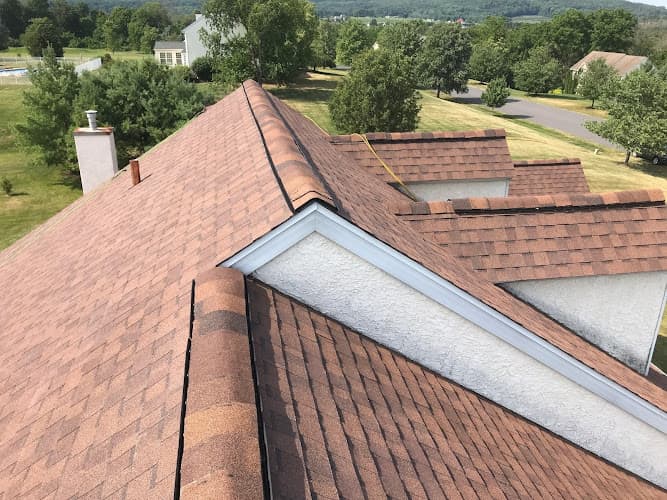
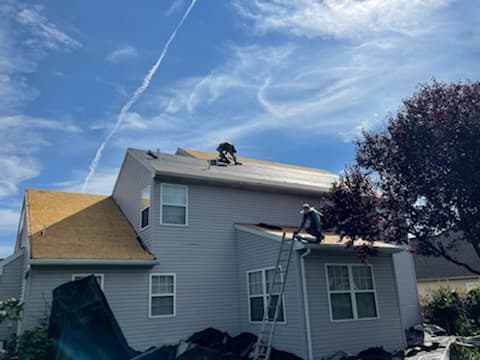
Trinity Solar also offers related home improvement services in parts of its territory, including roofing work performed in conjunction with a solar installation. Replacing an aging roof before panels are mounted is a frequent recommendation, since removing and reinstalling an array later adds cost. Homeowners considering solar on a roof that is more than fifteen or twenty years old often discuss this sequencing during the initial consultation.
Financing Approaches
One reason large installers like Trinity work through local teams is that financing decisions vary considerably from household to household. Common paths include:
- Cash purchase, in which the homeowner owns the system outright and claims available tax credits directly
- Solar loans, which spread the cost over a term while the homeowner retains ownership and eligibility for incentives
- Lease or power purchase arrangements, in which a third party owns the equipment and the homeowner pays for the system or the power it produces
Each structure affects monthly costs, tax treatment, maintenance responsibility, and what happens if the home is sold. A consultation with the local team generally includes a comparison of these options against current utility rates.
Location and Service Area
Schartlesville is a small village in Upper Bern Township, Berks County, situated along the Old Route 22 corridor between Hamburg and Shoemakersville and a short distance from Interstate 78. The location places the team within reach of a broad section of eastern Pennsylvania, including communities in Berks, Schuylkill, Lehigh, Northampton, and Lancaster counties. Homeowners in Reading, Hamburg, Kutztown, Fleetwood, Bernville, Bethel, Shoemakersville, Leesport, and surrounding townships fall within a reasonable service radius.
The region's housing stock includes a large number of single family homes on sizable lots, farmhouses, and newer suburban developments, all of which present different design considerations. Older homes may require electrical panel upgrades before a system can be connected, while newer construction often has south facing roof planes well suited to panel placement.
Solar in Pennsylvania: Practical Considerations
Several factors specific to Pennsylvania come up during solar planning in this part of the state:
- Net metering is available through the state's investor owned utilities, allowing excess production to be credited against later consumption. Local service territories in the Berks County area include Met-Ed and PPL Electric Utilities, and interconnection requirements differ slightly between utilities.
- Pennsylvania participates in a market for solar renewable energy credits, which can provide additional income to system owners based on production.
- The federal residential clean energy credit has allowed homeowners to claim a percentage of installed system cost against federal income taxes. Because incentive programs and deadlines change through legislation, current terms should be confirmed during the consultation and with a tax professional.
- Municipal permitting and zoning rules vary by township and borough, particularly for ground mounted systems, which may be subject to setback or screening requirements.
- Snow, tree cover, and winter sun angles all influence annual production estimates in eastern Pennsylvania, which is why a shade study is part of the design process rather than an afterthought.
What to Expect from the Process
A typical residential solar project moves through several stages. After an initial conversation about electricity usage and goals, a representative reviews utility bills and evaluates the property, either on site or using satellite imagery and design software. A proposal follows, showing projected production, system layout, cost, and financing figures. Once an agreement is signed, engineering drawings are prepared and submitted for municipal permits and utility interconnection approval. Installation itself is often completed in one to three days, though the full timeline from signing to activation commonly spans several weeks to a few months, depending on permitting and utility review. The system is then inspected and granted permission to operate before it begins producing power.
Contact Information
- Address: 11 N 1st St, Schartlesville, PA 19554
- Phone: (484) 877-0009
- Website: trinitysolar.com
Homeowners interested in an assessment are generally asked to have a recent electric bill available, since annual kilowatt hour usage is the starting point for sizing any system.