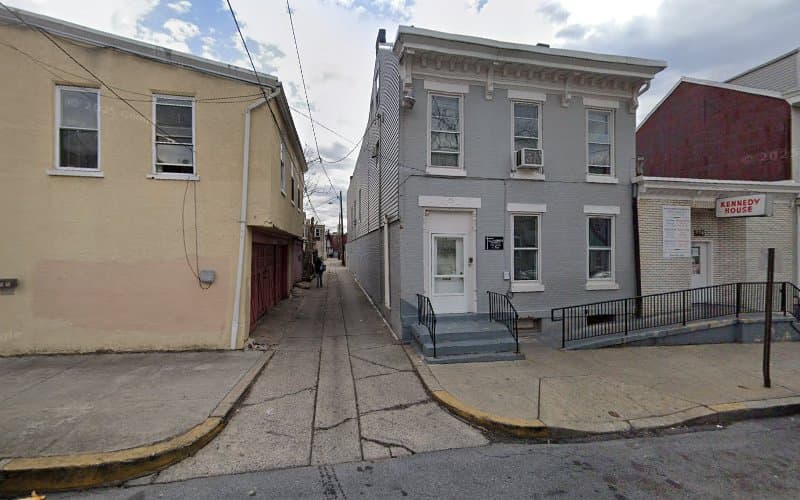
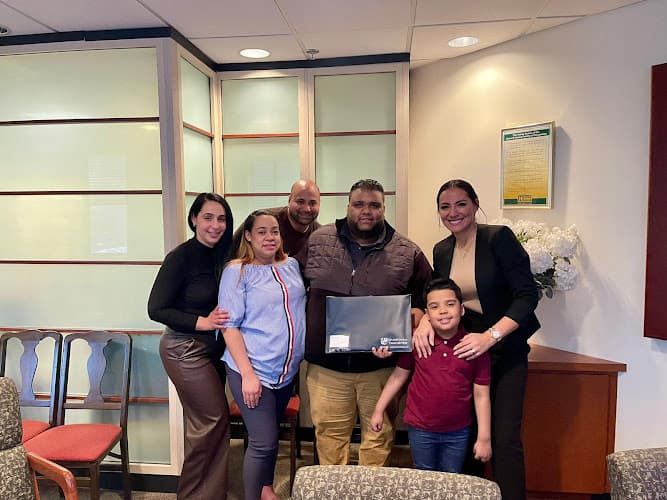
The Veterans Multi-Service Center, commonly referred to as VMC, operates a service office at 645 Penn Street, Suite B, in downtown Reading, Pennsylvania. The organization is a nonprofit veterans service provider whose work centers on housing stability, homelessness prevention, and supportive assistance for former members of the United States Armed Forces and their families. The Reading location functions as one of several regional offices through which the organization delivers case management and related programs across eastern Pennsylvania and neighboring states.
Listings categorize the Reading office as a homeless service, which reflects the core of what happens there: staff work with veterans who are experiencing homelessness or who are at risk of losing their housing, and they connect those veterans with financial assistance, benefits guidance, and community resources. The office can be reached by telephone at +1 610-314-4741, and additional program information is published on the organization's website at vmcenter.org.
Background and Mission
VMC traces its origins to 1980, when a group of Vietnam veterans in Philadelphia began organizing peer support and outreach for fellow veterans who were struggling after their return from service. What began as a grassroots effort grew over the following decades into one of the larger veteran service organizations in the mid-Atlantic region, with a portfolio that includes transitional housing, permanent supportive housing referrals, employment assistance, and rapid rehousing programs funded in part through the U.S. Department of Veterans Affairs and the U.S. Department of Labor.
The organization's guiding principle has long been that veterans are best served by people who understand military culture and the specific barriers that follow military separation. Many staff members are veterans themselves, and the case management model emphasizes practical problem solving: securing identification documents, navigating VA claims, addressing arrears that threaten an eviction, and locating landlords willing to work with subsidized tenants.
Programs and Services
While specific program availability can change based on funding cycles and grant coverage areas, VMC is known for administering several categories of assistance. Veterans contacting the Reading office are typically screened for eligibility and then assigned to the program that best fits their circumstances.
- Supportive Services for Veteran Families, a VA grant program that provides temporary financial assistance and case management to very low income veteran households who are homeless or at imminent risk of homelessness. Assistance can include help with rent arrears, security deposits, utility payments, moving costs, and transportation.
- Homelessness prevention services for veterans who still have housing but are facing eviction, utility shutoff, or a sudden loss of income.
- Rapid rehousing support for veterans already living in shelters, vehicles, or places not meant for habitation, with the goal of moving households into permanent housing quickly and then stabilizing them.
- Benefits navigation, including assistance in applying for VA health care enrollment, service connected disability compensation, pension benefits, and discharge document retrieval.
- Employment and training referrals, including connections to workforce development boards, vocational programs, and job placement services geared toward veterans.
- Referrals to behavioral health care, substance use treatment, legal aid, food assistance, and other community based supports through partnerships with county agencies and nonprofits.
Case managers generally serve as the single point of contact for a household throughout the duration of a program, which reduces the number of times a veteran has to retell their story to different agencies. Where VMC cannot provide a service directly, the office typically makes a warm referral to a partner organization in Berks County or to the nearest VA medical center.
Location and Service Area
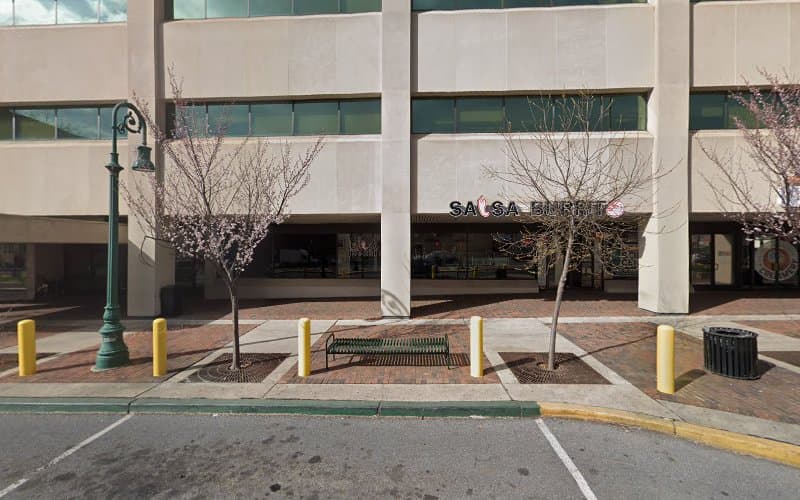
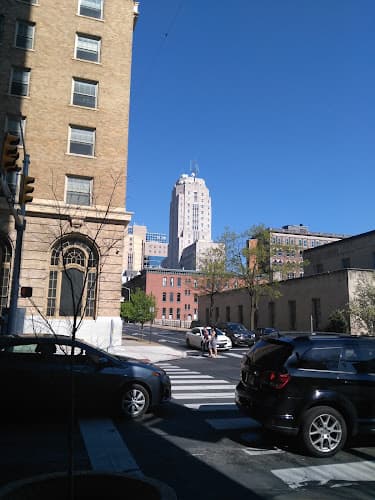
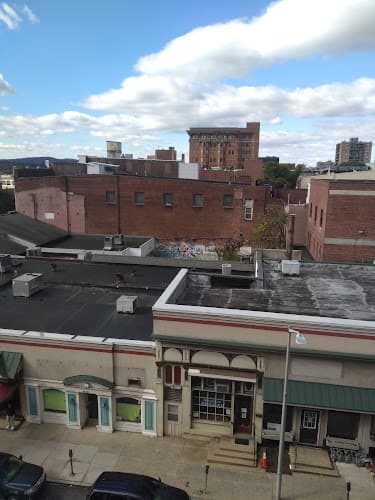
The Penn Street address places the office in the commercial core of Reading, within walking distance of county government buildings, the courthouse district, and stops served by the local transit system. For veterans without reliable transportation, the downtown setting is significant, since many of the agencies they may need to visit in the same day, including social services offices and legal assistance providers, are clustered in the same area.
Berks County has a sizable veteran population drawn from multiple service eras, and Reading serves as the population center and administrative hub for the surrounding boroughs and townships. From this office, VMC's reach extends to veterans living throughout the county and, depending on the program, into adjacent counties in southeastern and central Pennsylvania. The organization's broader footprint includes offices and housing operations in the Philadelphia region.
Accessibility and Visiting
The Reading location offers a wheelchair accessible parking lot, which is a practical consideration for veterans with mobility limitations, service connected disabilities, or age related health conditions. Because the office is located in a suite within a larger building, visitors may want to call ahead to confirm entry procedures and the current intake schedule.
Veterans planning a first visit are generally encouraged to bring whatever documentation they have on hand. Commonly requested items include:
- A DD Form 214 or other proof of military service, if available. Staff can often assist in requesting a copy when a veteran does not have one.
- Photo identification and Social Security information.
- Documentation of income, such as pay stubs, benefit award letters, or Social Security statements.
- Any eviction notice, utility shutoff notice, or lease documents relevant to the current housing situation.
A lack of paperwork does not automatically prevent a veteran from beginning the intake process. Assisting clients in reconstructing missing records is a routine part of the casework.
Practical Information
Telephone contact is the most direct way to reach the Reading office and to confirm whether a particular program is currently accepting referrals. Appointments are often preferable to walk in visits, since case managers frequently spend time in the field conducting outreach, meeting clients at housing sites, or attending coordinated entry meetings with county partners.
Services provided through VA and federally funded grant programs are offered at no cost to eligible veterans. Family members of eligible veterans may also receive assistance under certain programs, since the relevant grants are structured around the veteran household rather than the individual alone. Veterans who are uncertain about their eligibility are generally advised to call and ask, as discharge status and income thresholds vary from one program to another.