Widoktadwen Center for Native Knowledge
The Widoktadwen Center for Native Knowledge in Reading, PA, is a non-profit organization dedicated to promoting and preserving Native cultural heritage and knowledge.
About Widoktadwen Center for Native Knowledge
Overview
The Widoktadwen Center for Native Knowledge operates as a non-profit organization based in Reading, Pennsylvania, dedicated to the preservation, education, and revitalization of Indigenous knowledge systems and cultural practices. The organization's name, Widoktadwen, derives from the Lenape language, reflecting its focus on the Indigenous heritage of the Northeastern United States and the traditional territories of the Lenape (Delaware) people who historically inhabited the region that includes present-day Pennsylvania.
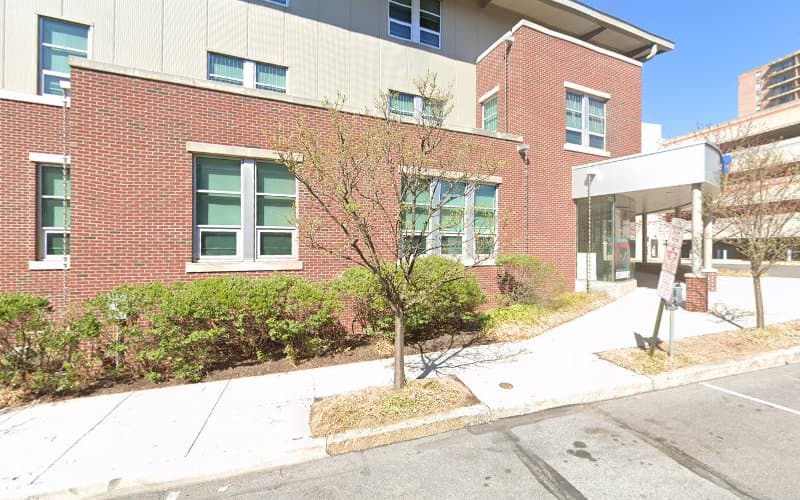
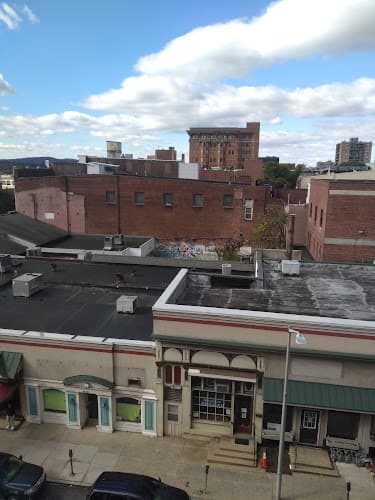
Located at 237 Court Street in downtown Reading, the center occupies a third-floor suite in a commercial building within Berks County's urban core. This positioning places the organization within a community that has historical connections to Indigenous peoples, as the Reading area and surrounding Schuylkill River Valley were significant territories for Lenape communities prior to European colonization.
Mission and Purpose
The Widoktadwen Center for Native Knowledge functions as an educational and cultural organization focused on Indigenous ways of knowing. Non-profit organizations of this nature typically work to bridge gaps between traditional Indigenous knowledge systems and contemporary society, serving both Native communities seeking to reconnect with ancestral practices and non-Native individuals interested in learning about Indigenous cultures in authentic, respectful contexts.
Organizations centered on Native knowledge often address multiple interconnected areas including language preservation, traditional ecological knowledge, ceremonial practices, oral histories, traditional arts and crafts, and Indigenous perspectives on history, science, and spirituality. While specific programming details vary by organization, centers of this type commonly offer educational workshops, cultural events, community gatherings, and resources for individuals exploring their Indigenous heritage.
The Significance of Lenape Heritage in Pennsylvania
Pennsylvania's connection to Lenape history makes the presence of an organization like the Widoktadwen Center particularly relevant to the region. The Lenape, also known as the Delaware Nation, were the original inhabitants of a vast territory stretching from present-day Delaware through New Jersey, eastern Pennsylvania, and into southeastern New York. The word "Lenape" translates roughly to "the people" or "true people" in their Algonquian language.
The Lenape maintained sophisticated societies with complex social structures, spiritual practices, and ecological knowledge systems developed over thousands of years of habitation in the region. Their understanding of local plants, animals, waterways, and seasonal cycles represented accumulated wisdom passed down through countless generations. Following European colonization, most Lenape communities were displaced westward through a series of treaties and forced relocations, eventually settling in areas including Oklahoma, Wisconsin, and Ontario, Canada.
Despite this displacement, Lenape heritage remains embedded in Pennsylvania's landscape through place names, archaeological sites, and the continued presence of individuals with Lenape ancestry. Organizations focused on preserving and teaching this heritage play an important role in maintaining cultural continuity and educating the broader public about the Indigenous history of the region.
Educational Programming and Cultural Preservation
Non-profit centers dedicated to Native knowledge typically engage in various forms of educational outreach. This may include formal classes on Indigenous languages, which face varying degrees of endangerment and require sustained effort to maintain and revitalize. Language programs often incorporate not just vocabulary and grammar but the cultural concepts and worldviews embedded within Indigenous linguistic structures.
Traditional ecological knowledge represents another common focus area for organizations of this type. Indigenous peoples developed sophisticated understandings of local ecosystems, including medicinal plant uses, sustainable harvesting practices, and observations about environmental patterns accumulated over millennia. This knowledge has gained increasing recognition in contemporary fields including conservation biology, sustainable agriculture, and climate science.
Cultural programming may also encompass traditional arts and crafts, including beadwork, basket weaving, pottery, and other material culture practices. These activities serve dual purposes of preserving traditional techniques and providing community members with meaningful connections to ancestral practices. Many organizations also host storytelling events, as oral tradition represents a primary method of knowledge transmission in Indigenous cultures.
Community Role and Services
Centers focused on Native knowledge often serve as gathering spaces for Indigenous community members, providing opportunities for cultural connection in areas where Native populations may be dispersed. For individuals with Indigenous heritage who grew up disconnected from their ancestral cultures, organizations of this type can provide pathways for cultural reconnection and identity exploration.
Educational outreach to non-Native audiences represents another common function. This may include presentations to schools, civic organizations, and other groups seeking accurate information about Indigenous history and contemporary Native life. Such programming helps counter stereotypes and misconceptions while building understanding between Indigenous and non-Indigenous communities.
Some organizations in this field also engage in advocacy work related to Indigenous rights, cultural preservation, and recognition issues. This may include supporting efforts to protect sacred sites, advocating for accurate representation of Indigenous peoples in educational materials, or working on issues affecting Native communities locally and nationally.
Location and Accessibility
The center's downtown Reading location on Court Street places it within the commercial and governmental heart of Berks County. The building offers wheelchair accessible parking facilities, making the space available to visitors with mobility considerations. The third-floor suite location in a multi-use commercial building reflects the organizational structure common to many non-profit cultural organizations that operate within existing urban infrastructure rather than purpose-built facilities.
Reading itself serves as the county seat of Berks County and represents the largest city in the region, making it a practical hub for an organization serving community members from throughout the surrounding area. The city's location approximately sixty miles northwest of Philadelphia places it within reasonable distance of larger metropolitan Indigenous communities while maintaining a presence in the smaller urban center.
Connecting with the Organization
Those interested in learning more about the Widoktadwen Center for Native Knowledge can reach the organization by telephone or through their website. Non-profit cultural organizations typically welcome inquiries from individuals interested in their programming, whether seeking educational opportunities, exploring personal heritage connections, or looking to support preservation efforts.
Organizations of this nature often operate with limited staff and volunteer support, reflecting the resource constraints common to non-profit cultural preservation work. Prospective visitors or participants may wish to contact the center in advance to confirm current programming schedules and availability, as offerings may vary seasonally or based on organizational capacity.
The presence of the Widoktadwen Center for Native Knowledge in Reading represents a resource for the preservation and transmission of Indigenous knowledge in a region with deep historical connections to Lenape peoples. Such organizations contribute to the broader work of maintaining cultural heritage while building bridges of understanding between Indigenous and non-Indigenous communities in contemporary Pennsylvania.
Unique Details About Widoktadwen Center for Native Knowledge
Accessibility
- Wheelchair accessible parking lot
Contact Information for Widoktadwen Center for Native Knowledge
Reading, PA 19601
United States of America
County: Berks County
Phone: +1 484-258-2817
Website: Visit Website
Customer Reviews
5.0 out of 5 stars
Based on 1 reviews
Review data
5 star reviews
- 100%
4 star reviews
- 0%
3 star reviews
- 0%
2 star reviews
- 0%
1 star reviews
- 0%
Working Hours / Hours of Operation
Location Map
Similar Non-Profits Near Reading, PA
BerksConnect: everything local in Berks County, PA.
8,700+ local businesses with AI-summarized reviews, plus local guides, jobs, and what's happening around the county.