Eye Exam Cost in Berks County, With and Without Insurance
What an eye exam costs in Berks County as the offices print it, what a contact lens fitting adds, how vision plans, medical insurance, Medicare and Medical Assistance treat the visit, and where the low-cost doors are.
If you're asking how much is an eye exam without insurance in Berks County, the offices that print a routine exam price list about $50 by coupon to a little over $120, as of October 2026, and the top of that range is a starting fee. Nationally the usual range is $50 to $200. A contact lens fitting is an extra charge, a vision plan usually cuts the exam to a copay, and the county optometrists page lists the offices to call.
How much is an eye exam without insurance in Berks County?
Most offices don't print a price. The fees below are the ones Berks offices print on their own websites, and the refraction some of them mention is the test that sets your glasses prescription.
| Office | Town | What it prints | The conditions on its page |
|---|---|---|---|
| Weaver Eye Care Associates | Bernville and Kutztown | $95 wellness vision exam, refraction and eye health check included; medical eye exams from $45 up | Medical exams are billed to medical insurance |
| Premier Optical (at Target Optical) | Wyomissing | Eye exam starting fee $124; contact lens starting fee $189 (fitting and eyeglass exam included); retinal imaging $39; dilation $35 | Starting fees for the two exams; an independent optometrist, not the store; children from age 7 |
| Chesen Laser Eye Center | West Reading | Refraction $50, effective March 1, 2023; contact lens fittings $60 to $200 | The $50 is the refraction only; the health evaluation is billed to insurance or Medicare |
| Eyeland Optical | Sinking Spring and Temple | $49 vision exam with glaucoma testing, by a printable coupon marked limited-time offer, no end date printed | Participating locations; not combinable with any vision plan, insurance or store offer |
| Dr. Stuart Pollan | Kutztown | $20 off an exam; $25 off with a year of contacts | For patients with no vision insurance; one coupon a visit; the base exam price isn't on its page |
| America's Best | Reading and Wyomissing | Free exam with any two complete pairs; $95 for two pairs of $79.95 frames with plain single-vision lenses; or a $150 three-year club with up to two exams a year | Two pairs for one person; not combinable with insurance; the $150 club price applies when it's bought online |
Each figure is from the office's own website as of October 20, 2026; none of the other Berks eye office sites checked that day prints an exam price.
The Berks exam figures sit at or below the middle of the national range. Weaver Eye Care Associates, in Bernville and Kutztown, charges one flat fee for a wellness vision exam that includes the refraction plus a check of the health of your eyes.
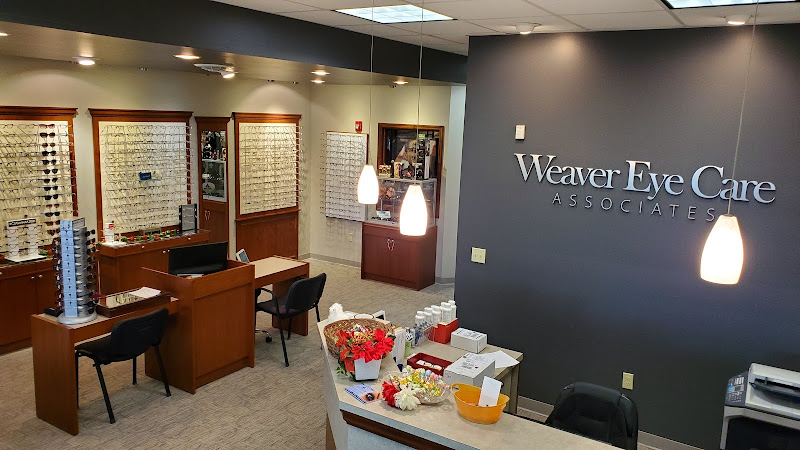
7185 Bernville Rd, Bernville, PA
Premier Optical, the independent optometry office at Target Optical on Paper Mill Road in Wyomissing, prices retinal imaging (a photo of the back of the eye) and dilation (drops that widen the pupil) as separate lines, so the visit can cost more than the starting fee if those are added.
2769 Paper Mill Rd, Wyomissing, PA
Chesen Laser Eye Center, an ophthalmology office in West Reading, bills the exam in two parts: it bills the health evaluation to your insurance or Medicare and charges the refraction separately, at $50, a fee it dates to March 1, 2023. That $50 is the refraction only; the page doesn't price the health evaluation, so a cash patient asks for that fee too. If you're unsure which kind of office to call, which kind of eye doctor does what sorts that out. At Target Optical and LensCrafters in Wyomissing and at Eyeland in Sinking Spring and Temple, an independent optometrist does the exam and the store sells the glasses.
A contact lens fitting is a separate charge at every office that says anything about it. The fitting is the extra measuring and trial lenses a contact prescription needs. Premier Optical's contact lens starting fee is $189 and includes the fitting and the eyeglass exam, and Chesen's fittings run $60 to $200 depending on the type of lens and whether you're a new or established patient. If you wear contacts, budget for the contact lens exam price, not the glasses exam price: the gap is $65 at Premier Optical and $60 to $200 at Chesen. Whether your vision plan covers the fitting is a question for the plan.
Does vision insurance or medical insurance pay for an eye exam?
That depends on which kind of exam you're having. A vision plan is insurance that pays for a routine, wellness exam and helps with glasses or contacts. Medical insurance pays when the exam is for a medical reason, on your plan's own terms, deductible included. At Weaver, those reasons include diabetes, high blood pressure, an existing eye condition, and a complaint like pain, redness or flashes.
Weaver says a visit that feels routine can turn out to be medical, so there's no way to know for sure before the exam. Chesen asks at check-in which coverage you want to use, and if a medical issue turns up you can switch the visit to your medical insurance and pay the refraction yourself, or come back for a second visit. Chesen and Wyomissing Optometric Center both say medical insurance treats the refraction as a non-covered service, so expect to pay that part yourself. Bring every insurance card you have.
With a vision plan the exam usually costs a copay, typically $10 to $40, and some plans cover the whole exam. Every marketplace health plan covers children's vision. Adult vision isn't one of the benefits every plan has to include, so only some plans include it. What a child's exam costs under a marketplace plan is set by that plan's own copay or deductible, so call the number on the card. This is general information about prices and coverage; a question about your own eyes goes to an eye doctor.
Does Medicare or Medical Assistance cover eye exams?
Original Medicare doesn't cover a routine eye exam for glasses or contacts, so that cost is yours. What Part B, Medicare's medical insurance, does cover is medical: a diabetic retinopathy exam once a year for people with diabetes, and a glaucoma screening once every 12 months for people at high risk, meaning diabetes, a family history of glaucoma, African American and 50 or older, or Hispanic and 65 or older. You pay 20% of the approved amount after the Part B deductible. If you carry a Medicare supplement, ask it how much of that 20% it picks up.
Medicare Part B covers one pair of glasses with standard frames after each cataract surgery that implants a lens, and you pay 20% after the deductible. Some Medicare Advantage plans add routine vision as an extra benefit, and if you're choosing between Original Medicare and an Advantage plan, our post on Medicare plans in Berks County walks through the Berks options.
Pennsylvania Medical Assistance covers eye exams for adults 21 and older; the state's own limit is two optometrist visits per calendar year, and the HealthChoices plan you're in sets its own count, from one routine exam a year to two. The state program doesn't pay for adult eyeglasses, though some of those HealthChoices plans (the managed care plans that run Medical Assistance in Berks) add an eyewear benefit, so ask your plan. CHIP covers vision care for children under 19.
How often should you get an eye exam?
A comprehensive eye exam is the full exam by an optometrist or ophthalmologist, as opposed to a screening. The optometrists' association and the ophthalmologists' academy give different schedules. The American Optometric Association recommends a comprehensive eye exam at least every two years for adults 18 through 64 at low risk, at least yearly for those at risk, and yearly at 65 and older. For children it recommends an exam at 6 to 12 months, at least once between ages 3 and 5, and before first grade and yearly after that.
The American Academy of Ophthalmology says healthy adults under 40 should have a complete exam every 5 to 10 years, everyone should have a baseline exam by age 40, people 65 and older should be checked every year or two, and contact lens wearers should see an eye doctor every year. Whichever kind of doctor you see will tell you which schedule fits you.
The American Optometric Association also says a school or driver's-license vision screening isn't an exam and can miss more than it finds.
Where to get a low-cost eye exam in Berks County.
If those numbers are out of reach, Berks Community Health Center offers optometry at 838 Penn Street and 1110 Rockland Street in Reading, by appointment at 610-988-4838. It takes Medical Assistance and CHIP and has a sliding fee, a discount set by household income, for patients at or below 200% of the federal poverty level, with or without insurance. The health center is one of several programs covered in our guide to healthcare providers in Berks County.
For a baby 6 to 12 months old, InfantSEE gives a no-cost eye and vision assessment from participating optometrists, whatever the family's income. For an uninsured adult 18 or older who hasn't seen an ophthalmologist in three or more years, EyeCare America can arrange a no-cost medical eye exam, though it doesn't cover the refraction, glasses or contacts.
How to book an eye exam in Berks County.
Start with the county optometrists page, pick an office whose hours fit, and ask two things when you call: what the exam you want costs, and whether your plan is taken at that location.
Glasses are usually their own bill on top of the exam, and Medicare covers glasses only after cataract surgery. An eye exam counts as a medical expense, and so do prescription glasses and contacts, so flexible spending account or health savings account money pays for them. Surgery is its own budget: what LASIK costs in Berks County. So decide whether you need a glasses exam or a contacts exam, put every insurance card you have in your wallet, and make the call this week.
Eye exam cost questions.
Does Medicare pay for glasses?
Only one pair, with standard frames, after each cataract surgery that implants a lens, and you pay 20% after the deductible; everyday glasses are on you.
Is a school or driver's license vision screening the same as an eye exam?
No. The American Optometric Association says a screening can miss more than it finds and isn't an exam.
Can I pay for an eye exam with an FSA or HSA?
Yes. An eye exam, prescription glasses and prescription contacts count as medical expenses.
Sources
- Weaver Eye Care Associates, "Insurance" (read October 20, 2026): the $95 wellness exam, medical exam fees from $45, the vision-versus-medical explanation and the bring-both-cards line.
- Premier Optical at Target Optical, Wyomissing (read October 20, 2026) and Target Optical, "Eye Exams": the exam, contact lens, retinal imaging and dilation fees, Saturday hours, FSA and HSA, and that the optometrist is independent of the store.
- Chesen Laser Eye Center, "About Your Appointment" (read October 20, 2026): the two-part exam, the $50 refraction fee, the contact lens fitting range and the medical-or-routine choice at check-in.
- Eyeland Optical, "Savings" (read October 20, 2026) and its FAQ: the $49 exam coupon and its conditions, independent optometrists, and six months of contact lens follow-up.
- Dr. Stuart J. Pollan, "Coupons" (read October 20, 2026): $20 and $25 off for patients with no vision insurance, and Saturday hours.
- America's Best, "2 Pairs + Free Eye Exam", "Eyecare Club" and the Exeter Commons store page (read October 20, 2026): the free-exam conditions, the club, contact lens exams costing more, and FSA and HSA.
- Wyomissing Optometric Center, "Contact Lens Exams" and "Insurance and Billing" (read October 20, 2026): the separate contact lens fee, and medical insurance and the refraction.
- Elite Eyecare, "Insurance" (read October 20, 2026): employer routine vision coverage and the medical and routine plan lists.
- Pearle Vision, "Eye Exam Cost" and its Wyomissing store page (read October 20, 2026): the retailer's $50 to $200 range, $10 to $40 copays, contact lens fittings as an added cost, independent optometrists, and bring both cards.
- VSP Direct, "How Much Does an Eye Exam Cost?" (July 18, 2024): a vision-plan seller's $50 to $200 or more range.
- LensCrafters, Wyomissing store page (read October 20, 2026): bring both insurance cards; contact lens fitting and evaluation is an additional fee.
- HealthCare.gov, "Vision coverage" and "What Marketplace health insurance plans cover": children's and adult vision coverage, and stand-alone vision plans.
- Medicare.gov, "Eye exams (routine)", "Eye exams (for diabetes)", "Glaucoma screenings" and "Eyeglasses & contact lenses": what Original Medicare covers and doesn't.
- 55 Pa. Code § 1147.54 and Pennsylvania Department of Human Services, Medical Assistance Bulletin 08-20-04 (September 15, 2020), with the Highmark Wholecare member handbook (January 1, 2025) and the Jefferson Health Plans EverWell member handbook (2026): the state's adult exam limit, the eyeglasses exclusion, and two Berks HealthChoices plans' own exam counts and eyewear benefits.
- Pennsylvania Department of Human Services, CHIP eligibility and benefits: vision care for children under 19.
- American Optometric Association, "Comprehensive eye exams": the exam frequency tables and what a screening can miss.
- American Academy of Ophthalmology, "Eye Exam and Vision Testing Basics" (February 14, 2024) and "Get an Eye Disease Screening by Age 40" (April 30, 2026): the Academy's recommendations.
- Berks Community Health Center, "Optometry" and "Services", InfantSEE and EyeCare America (read October 20, 2026): the low-cost doors; and IRS Publication 502 (2025 edition): eye exams, glasses and contacts as medical expenses.