Chimney Sweep and Inspection Cost in Berks County
What a chimney sweep and the once-a-year inspection cost, what the three inspection levels mean and when each applies, what common chimney repairs run, how to check a sweep's certification, and who does the work in Berks County.
A chimney sweep with the basic once-a-year inspection runs about $160 to $300 as of 2026, and the camera inspection with the sweep, the one you want if you just bought the house, runs about $260 to $460, with more for several flues or heavy buildup. That's the whole bill when the inspection finds nothing to fix, and it's the appointment to book with one of the chimney companies in Berks County before that first fire.
How much does a chimney inspection cost?
The sweep and the inspection often come as one price: inspectors often bundle the cleaning into the Level 1 or Level 2 inspection price (the basic look and the camera look, explained next), so one quote covers both. What's being looked at and brushed is the flue, the passage inside the chimney the smoke goes up. With several flues the camera work alone can run up to about $1,000, so a two-flue house should expect a Level 2 quote above the table's row. The other thing is buildup, because heavy creosote, the tar-like residue of burning wood, means a lot more brushing.
What are the three chimney inspection levels?
The national chimney safety standard defines three levels. Level 1 is the basic look, "a minimum requirement" when nothing about the appliance or the venting has changed and you'll use it as before. The technician examines the readily accessible parts of the chimney and the appliance connection and checks the flue for obstruction and combustible deposits.
Level 2 is the camera inspection. It's required "when any changes are made to the system," such as a new fuel or appliance, and "upon the sale or transfer of a property or after an operation malfunction or external event" likely to have damaged the chimney. The sweep runs a camera down the flue to see the liner's inside surfaces and joints, without taking anything apart. If you just bought the house, this is your inspection, and it belongs on our new homeowner checklist.
Level 3 is the take-it-apart inspection, recommended when a Level 1 or 2 suggests a hidden hazard that can't be checked without special tools. The Chimney Safety Institute of America tells homeowners that for the yearly visit they can ask for a Level 1 inspection and a sweeping; one Level 2 covers every flue in the chimney. The table below is national figures: the sweep alone, then each inspection with the sweep included.
| Service | National range |
|---|---|
| Sweep alone, from a gas fireplace flue up to a wood stove | $80 to $300 |
| Level 1 inspection with the sweep | $160 to $300 |
| Level 2 inspection (the camera look) with the sweep | $260 to $460 |
National figures from HomeAdvisor's chimney cleaning guide, updated June 20, 2026; a wood-burning fireplace with years of buildup can run above these.
For a chimney that hasn't changed since last year, the Level 1 row is your appointment, and the Level 2 row is the one for a house you just bought. The rare Level 3 runs $500 to $5,000, when parts of the chimney or the house have to be opened.
How much does a chimney sweep cost?
Where you land in the sweep-alone row depends on the appliance, with a gas fireplace flue at the bottom and a wood stove at the top, and a flue with significant creosote buildup can reach $800. The sweep-alone row and the Level 1 row share a top; many cleaning services include a basic inspection as part of the sweep, and inspectors often bundle the cleaning into the inspection price, so ask whether a sweep-only quote includes the Level 1. Wood costs more because it makes creosote, which sticks to the flue walls, is highly combustible, and builds faster with unseasoned wood or a fire starved for air.
You might wonder what you're getting if the firebox looks clean. A complete sweeping includes the flue and the smoke chamber above the firebox, not just the brick you can see.
How often should a chimney be cleaned?
The standard says chimneys, fireplaces and vents "shall be inspected at least once a year for soundness, freedom from deposits, and correct clearances." That includes a chimney you barely use, because animals nest in flues and masonry deteriorates, and it includes the flue your furnace vents through, since the standard covers every chimney and vent, gas furnaces included. A high-efficiency furnace vents differently from the one it replaces, and in an older Berks house that can mean lining or abandoning the chimney, which our furnace replacement cost post covers.
Does once a year mean a brushing every time? Not always. The institute's rule for a masonry fireplace is to sweep at an eighth of an inch of sooty buildup, and sooner if there's any glaze, the hardened creosote; a factory-built fireplace gets swept when any appreciable buildup occurs. The inspection decides whether the brushing happens.
What do common chimney repairs cost?
The parts that come up most are the cap, the crown (the cement cap on top of the masonry), the flashing (the metal where the chimney meets the roof), the mortar joints and the liner. These are national figures for the whole job, labor and materials together.
| Repair | National range, whole job |
|---|---|
| Cap replacement | $300 to $600 |
| Flashing repair | $200 to $300 |
| Flashing replacement | $300 to $800 |
| Crown repair | $750 to $1,000 |
| Crown replacement | $1,000 to $3,000 |
| Repointing the mortar joints | $500 to $2,500 |
| Relining the flue | $1,200 to $4,600 |
| Rebuilding damaged sections | $500 to $4,000 |
Whole-job figures, labor and materials, from Fixr's chimney repair and liner guides, updated January 31, 2025.
The top of that table is a few hundred dollars and the bottom is where the money goes, so a sweep who catches a cracked crown early saves you a rebuild. Leaks usually start where the roof meets the chimney, where cracks open or the flashing wears away, so a leak is usually one of the two flashing rows in the table. Flashing is a roofer's job as much as a sweep's, so for water at the roofline call one of the roofers in Berks County; and when the whole roof is the question, our roof replacement cost post covers what a new one runs and how a storm-damage claim works.
On liners, stainless steel is what most companies recommend because it works with any appliance. A stainless liner serving a wood-burning appliance needs insulation, about $300 to $800 more, while gas and oil liners don't. A new liner may also need a permit; Cumru Township, for one, lists a new chimney mechanical permit at $50.
How do I check a chimney sweep's certification?
Pennsylvania issues no state license for chimney sweeps, so ask about the two national credentials. The Chimney Safety Institute of America's Certified Chimney Sweep credential is earned by passing the institute's exam and renewed on a three-year cycle, and the National Chimney Sweep Guild's Certified Chimney Professional is the other. Look the company up on the institute's or the Guild's search before you book.
PA Chimney Pros, at 2103 Mayo Drive in Reading, lists institute-certified sweeps on its team, comes out free to look and quote (ask which inspection level that free visit covers), and does a free safety inspection with every repair; the sweep and any Level 2 are priced on that quote.
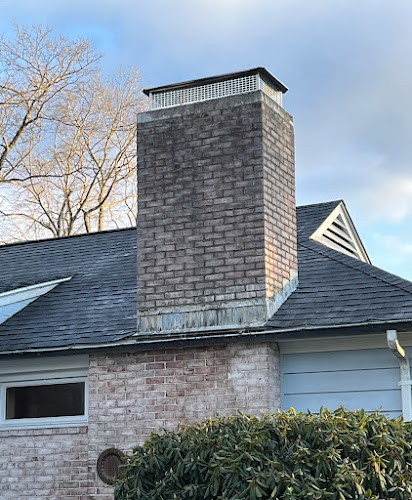
PA
For repairs, any home improvement job of more than $500 needs a written contract signed by both of you, and the contractor has to be registered with the Attorney General unless they do less than $5,000 worth of home improvements in a year. Our post on checking a contractor's registration walks through the lookup.
Polyak Services, at 372 Rugby Road in Birdsboro, has done chimney inspection, cleaning and relining since 1978. It offers free estimates, video inspections, inspections for a home sale, crown rebuilds and stainless caps with a lifetime warranty, and it prints its state registration number, HIC #PA036005. Its founder has retired, and the company says its lead technician is continuing the work at 610-375-4771.
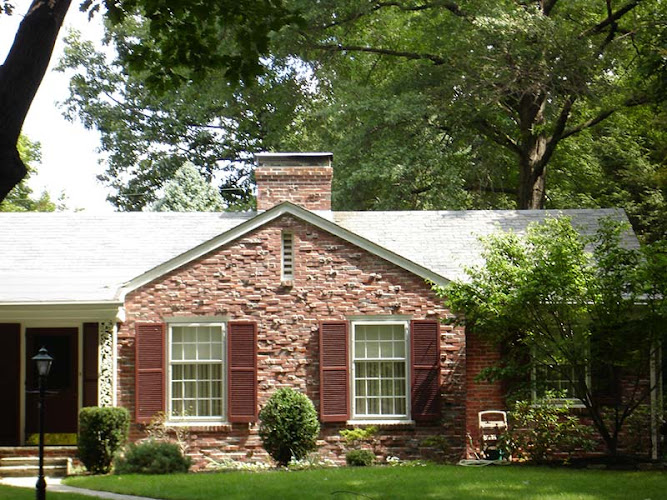
1557 Argonne Rd, Reading, PA
If you need a new stove or insert, not a sweep, Short's Stoves in Reading and Kring's Hearth & Home in Bechtelsville sell, install and service gas, wood and pellet stoves, inserts and fireplaces.
Common questions about chimney sweeps and inspections.
Do I need a chimney inspection if I only use the fireplace a few times a year?
Yes. The once-a-year rule doesn't count your fires, because what goes wrong in a quiet chimney, animals nesting in the flue and masonry wearing down, happens on its own schedule.
Does a gas fireplace or furnace flue need to be cleaned?
It needs the yearly inspection, gas included; the sweep decides whether it needs brushing. The furnace flue is the one people forget: the heating company's tune-up normally cleans the burner and the base of the chimney, not the flue top to bottom.
Do chimney cleaning logs work?
They aren't bad in themselves, but they aren't a substitute for a professional inspection and sweeping. The cheaper habit is burning only well-seasoned wood, which makes less creosote.
What should I do after a chimney fire?
Don't use the chimney until it's been swept and evaluated. Most chimney fires go undetected, and the damage shows up at the next inspection: melted mortar, cracked tiles, collapsed liners; a factory-built metal chimney damaged by a chimney fire shouldn't be used again and has to be replaced. Ask the sweep to photograph the damage before sweeping; you'll want the pictures if you make an insurance claim.
When should you book a chimney sweep in Berks County?
Fall, before the first fire, is what the Reading company above tells its customers, and the once-a-year rule holds whatever the month. Half of all home heating fires happen in December, January and February, so the inspection that matters is the one before then. And if it's been years since anyone looked, the inspection comes first and the fire second. Pick one of the chimney companies in Berks County, ask for a Level 1 inspection and a sweeping, or a Level 2 if the house is new to you, and get it on the calendar. The fire's a lot more relaxing once you know what's above it.
Sources
- Chimney Safety Institute of America, "Homeowner Resources" (read Oct. 11, 2026): NFPA 211's once-a-year inspection line as CSIA quotes it, the eighth-of-an-inch sweeping rule, what a complete sweeping includes, gas furnace flues, cleaning logs, seasoned wood, and liner insulation.
- Chimney Safety Institute of America, "Chimney Inspections: The Three Levels" (CSIA's page as archived Dec. 20, 2024): the scope and triggers of Level 1, Level 2 and Level 3 inspections.
- CSIA, "Preventing Chimney Fires" and CSIA, "After Chimney Fire" (read Oct. 11, 2026): creosote, undetected chimney fires, factory-built chimneys after a fire, photographs before sweeping, and the insurance line.
- CSIA, "Certification", "Becoming a Certified Chimney Sweep" and "Find a Certified Pro" (read Oct. 11, 2026): the Certified Chimney Sweep credential, its three-year cycle, and the search.
- National Chimney Sweep Guild and NCSG, "Chimney Professional Certifications" (read Oct. 11, 2026): the Certified Chimney Professional credential and the Guild's find-a-certified-sweep search.
- Commonwealth of Pennsylvania, Ready PA, "Seasonal" fire safety (read Oct. 11, 2026): have a professional clean and inspect your chimney and vents each year; half of home heating fires happen in December, January and February.
- HomeAdvisor, "How Much Does Chimney Cleaning Cost?" (updated June 20, 2026) and HomeAdvisor, "How Much Does a Chimney Inspection Cost?" (updated June 20, 2026): the sweep and inspection-with-cleaning ranges, the by-appliance sweep prices, the camera inspection, the Level 3 range, and the $800 heavy-creosote line.
- Fixr, "Chimney Repair Cost" (updated January 31, 2025) and Fixr, "Chimney Liner Installation Cost" (updated January 31, 2025): the repair table, where leaks start, liner materials and insulation, and permits.
- Cumru Township, "Building/Zoning Permit Fee Structure" (March 2020): the $50 new chimney mechanical permit.
- This Old House, "Prep Your Chimney for Winter" (updated June 10, 2026): flashing where the chimney meets the roof, and a roofer for roof and flashing repairs.
- Pennsylvania Office of Attorney General, "Home Improvement Contractor Registration" and its home improvement contractor brochure (read Oct. 11, 2026): registration for contractors who perform at least $5,000 worth of home improvements per year, and the written contract when the price of the work exceeds $500.
- PA Chimney Pros (read Oct. 11, 2026): its Reading address, free inspections and estimates, the free safety inspection with every repair, its certification description, and its fall booking advice.
- Polyak Services, Inc. and its retirement announcement and its FAQ (read Oct. 11, 2026): its Birdsboro address, services since 1978, free estimates, its registration number, the lead technician, and what a heating company's service normally cleans.
- Short's Stoves Chimneys & Fireplaces and Kring's Hearth & Home (read Oct. 11, 2026): sales, installation and service of stoves, inserts and fireplaces.
- Pennsylvania Department of State, "Boards & Commissions" (read Oct. 11, 2026): the 29 professional and occupational licensing boards, none of which covers chimney work.