Tankless Water Heater Cost in Berks County vs a Tank
What a tankless water heater costs installed, what your gas line, panel and hard Berks water add to the quote, the discounts and rebate live this fall, and when a tank still wins.
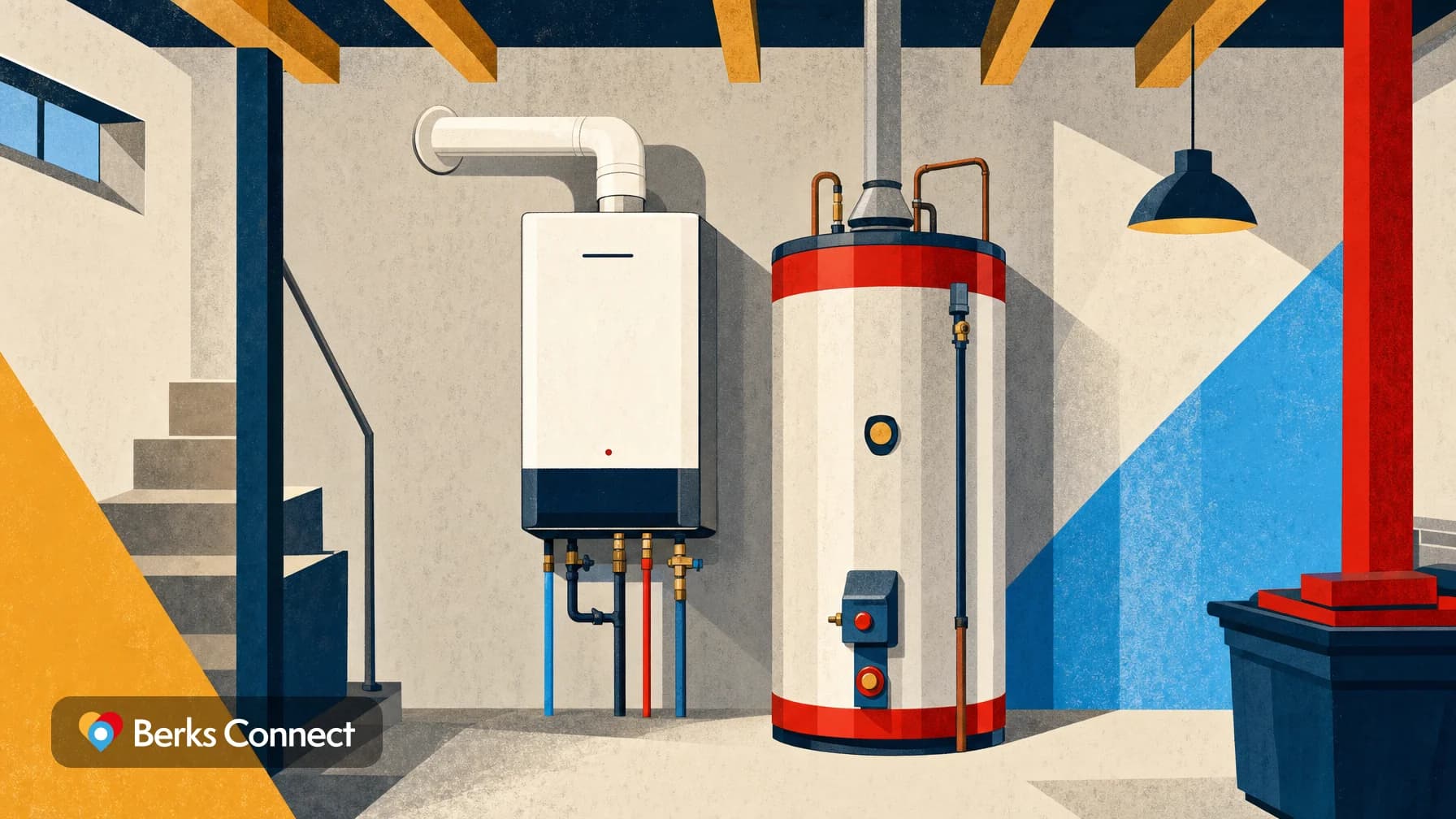
A tankless water heater costs roughly twice what a standard water heater replacement costs installed. It beats a tank over twenty years, because it lasts longer, and only if you keep up the yearly flush yourself. If your tank is old or leaking and you're looking at a tankless quote, the part that decides it isn't the unit, it's your gas line, your electrical panel and the water coming into the house. When a plumber from our county plumbers page quotes a tankless water heater cost, the number is three things: the unit, the labor, and whatever your house needs to accept it.
What a tankless water heater costs installed.
As of 2026, a tankless water heater runs $1,406 to $3,901 installed, and the average job lands around $2,640. The same guide's figure for a water heater replacement of any type, most of them tanks, is $882 to $1,825 installed, averaging $1,347; our post on what a water heater replacement costs in Berks County covers the tank side, so I'll stay on the tankless side here.
The difference is mostly labor. Swapping a tank for a tank is $150 to $450 of a plumber's time. Installing a tankless is $600 to $1,900 of labor, about half the total, and our post on what plumbers charge per hour in Berks County explains what that time costs here.
What Berks plumbers and the gas company take off the price.
Two things come off that number, and both have deadlines this fall. The first is the installer's own offer. JB Plumbing HVAC on Roosevelt Avenue in Reading installs both tank and tankless heaters and takes $50 off a water heater installation through October 31, 2026, if you mention it when you book.
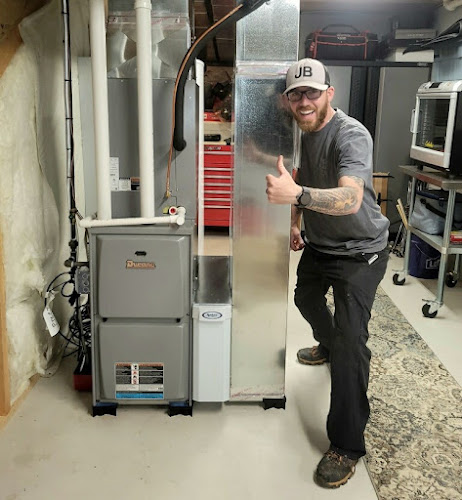
1201 Roosevelt Ave, Reading, PA
Other installers who serve Berks are offering $400 to $600 off a tankless install right now, and one adds no interest and no payments for 12 months; the table below has the shape of it.
The second is the gas utility itself, UGI Utilities, not an installer, and its money stacks on top of whatever the installer takes off. It pays a $400 rebate on an ENERGY STAR certified natural gas tankless water heater. It goes to UGI's residential gas customers; the rebate page lists which residential rate classes qualify. You apply within 90 days of the installation, with the invoice.
The rebate covers installs before September 30, 2026, while funds last. UGI's page covers this program year only, so check the current page before you count on it. The federal credit is no longer on the table: the Energy Efficient Home Improvement Credit applied to work done through December 31, 2025. The table below is what's live right now.
| Who | What is on the table | The condition | The deadline |
|---|---|---|---|
| UGI Utilities, the gas utility | $400 rebate | An ENERGY STAR certified natural gas tankless, for residential gas customers in rate classes R, RT, N and NT; apply within 90 days with the invoice | Installed before September 30, 2026, while funds last |
| Plumbing companies that serve Berks | $50 to $600 off a tankless install; one adds no interest and no payments for 12 months | Mention the offer when you book; terms are each company's own | The $600 offer ends September 30, 2026; the others run to October 31, 2026 |
| The federal government | Energy Efficient Home Improvement Credit | Ended | Work done through December 31, 2025 only |
The deadlines are in the last column, as of September 15, 2026.
A gas house that gets the unit in before the end of September can take $450 to $1,000 off the job.
What a gas tankless needs from your house.
A typical whole-house gas unit, the Rinnai RU199iN, draws up to 199,000 BTU an hour, which is how much gas it burns at once. It connects to a 3/4-inch gas line and makes up to 11 gallons of hot water a minute. Those two numbers are why the plumber checks your gas line before quoting: the line has to feed that much gas.
Have the plumber check the gas line size as part of the quote. If your gas line isn't up to it, the gas line work runs $350 to $750. A tankless vents through the wall or the roof in stainless pipe, $400 to $800. If the quote lists a new circuit for the unit, that's $200 to $600. Those add-ons are priced in our post on what a water heater replacement costs in Berks County, and they're the lines to look for on your quote.
The job usually carries a permit, too, and the plumber pulls it. The fee is the town's and varies. On a gas tankless the inspector also looks at the gas piping and venting. If the old tank fails tonight, the replacement can go in first with the permit application filed within three business days.
What an electric tankless needs from your panel.
An electric tankless needs no gas line or vent; what it needs is a big electrical panel. A whole-house unit like the EcoSmart ECO 27 runs on 240 volts and draws up to 112.5 amps, amps being how much electricity your panel can hand out at once. It wants three 40-amp breakers on heavy wire, and the maker recommends a 200-amp service for the house.
If your panel is 100 amps, the water heater alone would draw more than the panel has to give, so the panel gets replaced first, and a full panel upgrade is $1,000 to $2,000. Our post on what a panel upgrade costs in Berks County has the detail.
Why Berks water decides whether a tankless lasts.
Berks water is hard because the region's valleys sit on limestone, and hard water is a tankless unit's biggest problem. Hardness is measured in grains per gallon, and anything over 10.5 grains counts as very hard. Pennsylvania American Water's Penn system, whose wells serve Reading, Wyomissing, West Lawn, Sinking Spring, Shillington and Lower Heidelberg, reports 11.9 to 21.1 grains, and Muhlenberg Township's wells work out to about 19. Reading has a second supplier, the city's own water authority, which isn't in those reports; if your water bill comes from the authority, have the water tested or ask the plumber for the number.
Why does that matter more for a tankless than a tank? Because of the heat exchanger, the part inside that heats the water. Minerals build up on it, and one maker's warranty covers the heat exchanger for 15 years but not damage from hard water deposits or skipped maintenance, and another says to flush it at least once a year. So on a tank, a softener is a preference; on a tankless in this county, it's how you stay clear of the warranty's hard-water exclusion, and the softener hardware runs $500 to $1,500 before installation.
Does a tankless save enough to beat a tank?
The average tankless installed is $2,640 and the average replacement of any type is $1,347, so the gap is about $1,300 before any discount. Put the softener in, as a Berks house should, and the gap is $1,800 to $2,800. A house that doesn't use much hot water, up to 41 gallons a day, gets the biggest efficiency gain, 24 to 34 percent, but the figure to plan on is the gas utility's: about $95 a year on natural gas for a family of four.
So the case for a tankless in a hard-water house rests on one thing: the tank you don't buy a second time. A tank gets replaced every 6 to 15 years, and a tankless lasts around 20 with proper maintenance. Over twenty years the tank house buys at least two tanks and pays the labor each time; the tankless house buys one.
Add it up for a gas house that needs the softener. The gap is $1,800 to $2,800, and this fall's discount and rebate take $450 to $1,000 off it, leaving $800 to $2,350. Against that, the tankless house skips a second tank, about $1,347 at today's average, and saves about $1,900 in gas over twenty years, roughly $3,250 together.
That leaves the tankless ahead by $900 to $2,450 over twenty years, before the yearly flush. Have a plumber do the flush and it runs about $100 to $200 a year, $2,000 to $4,000 over twenty years, which wipes out most or all of the advantage; do the flush yourself, and the advantage stands.
The tank wins in four houses: a like-for-like swap where the old tank simply comes out and a new one goes in, an all-electric house on a small panel, a hard-water house with no softener, and a house you'll sell soon. A hard-water house with no softener puts the warranty at risk. And a household that expects to move in a few years pays the whole gap and never sees the twenty years that earn it back.
Ask your plumber to put every line on one sheet: the gas line if you're on gas or the panel if you're electric, the venting, the permit, the softener, and this fall's discount. Kodiak Comfort on North Park Road in Wyomissing lists tankless water heater installation, repair and inspection among its plumbing services, and one reviewer describes a water heater leak found at 6 pm on a Thursday with the new one running by noon the next day.
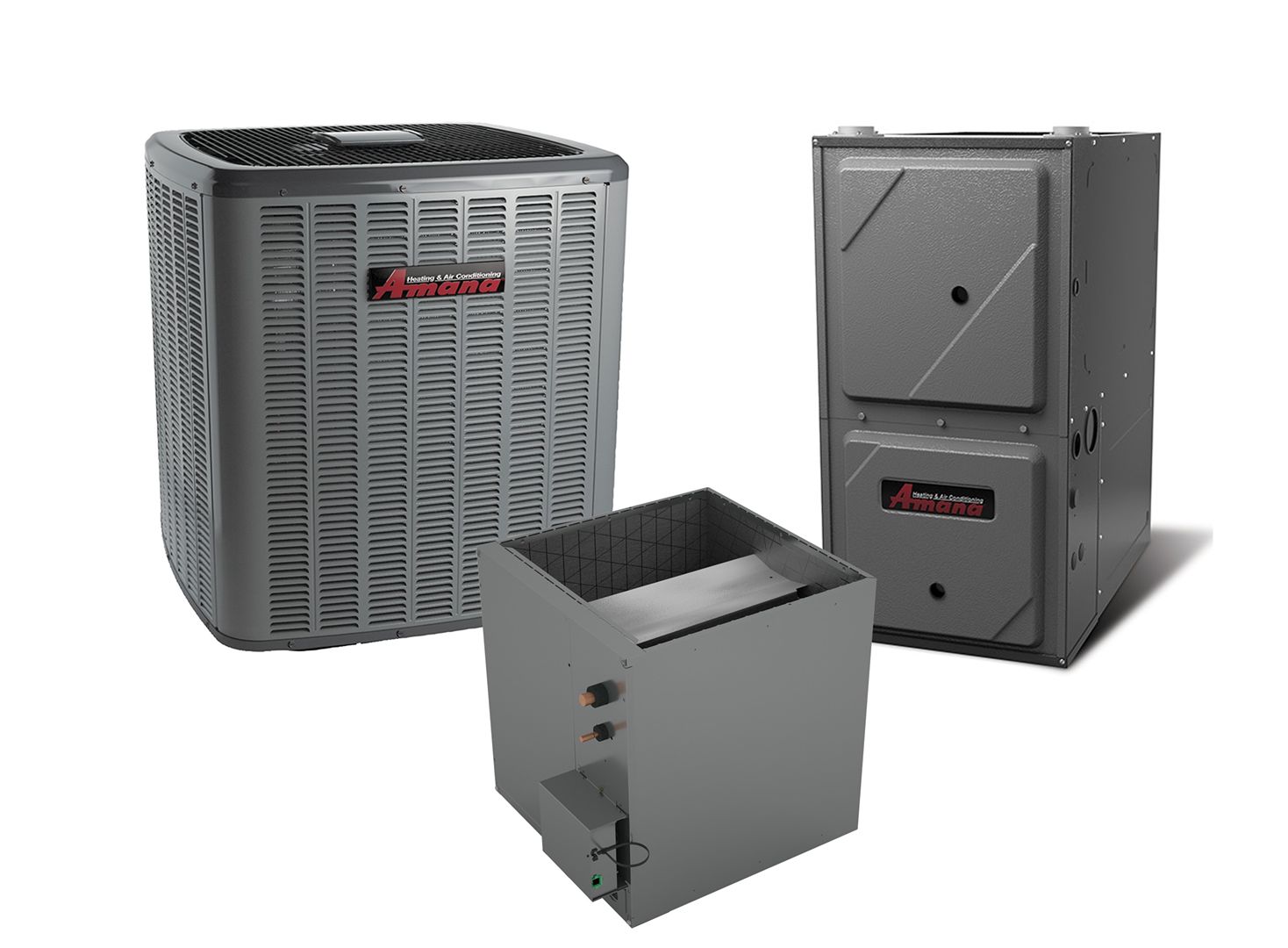
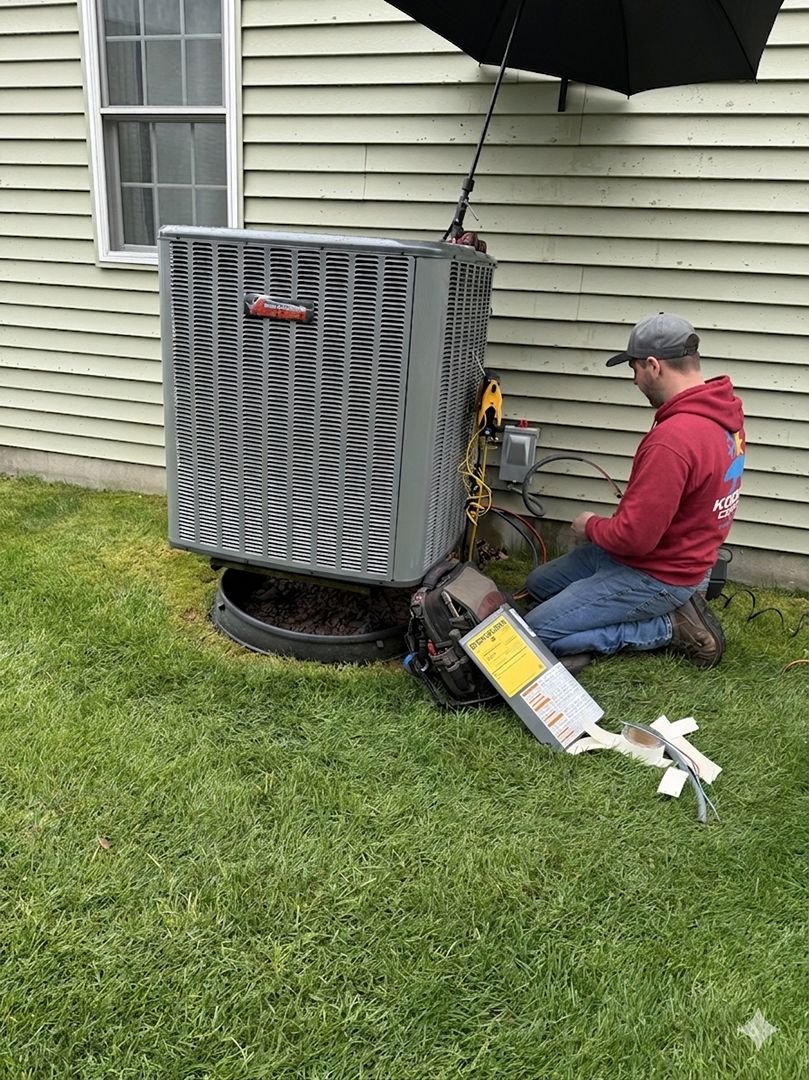
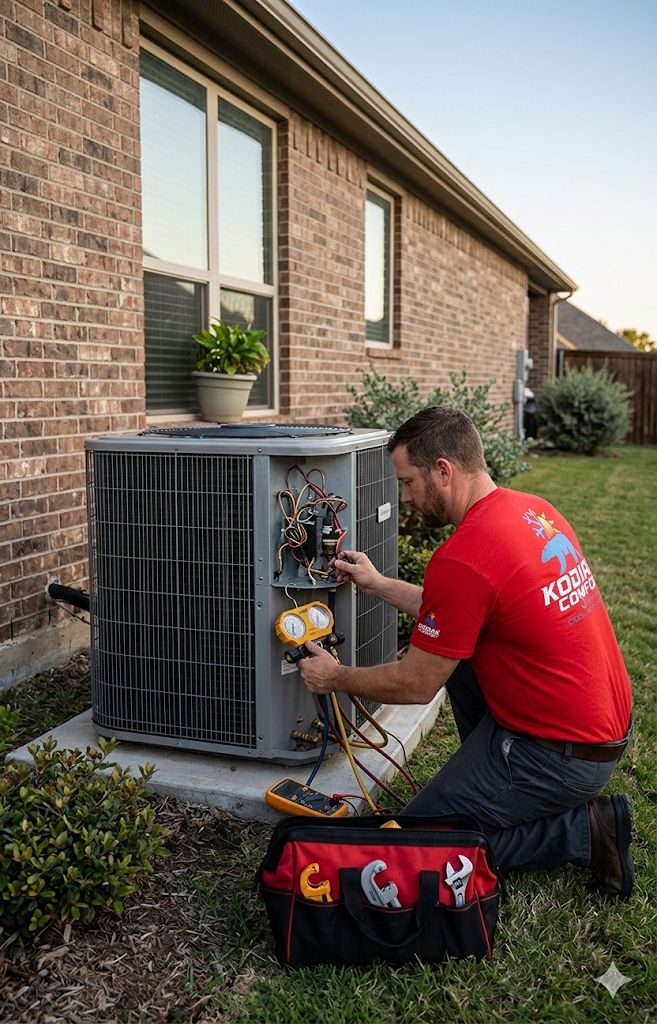
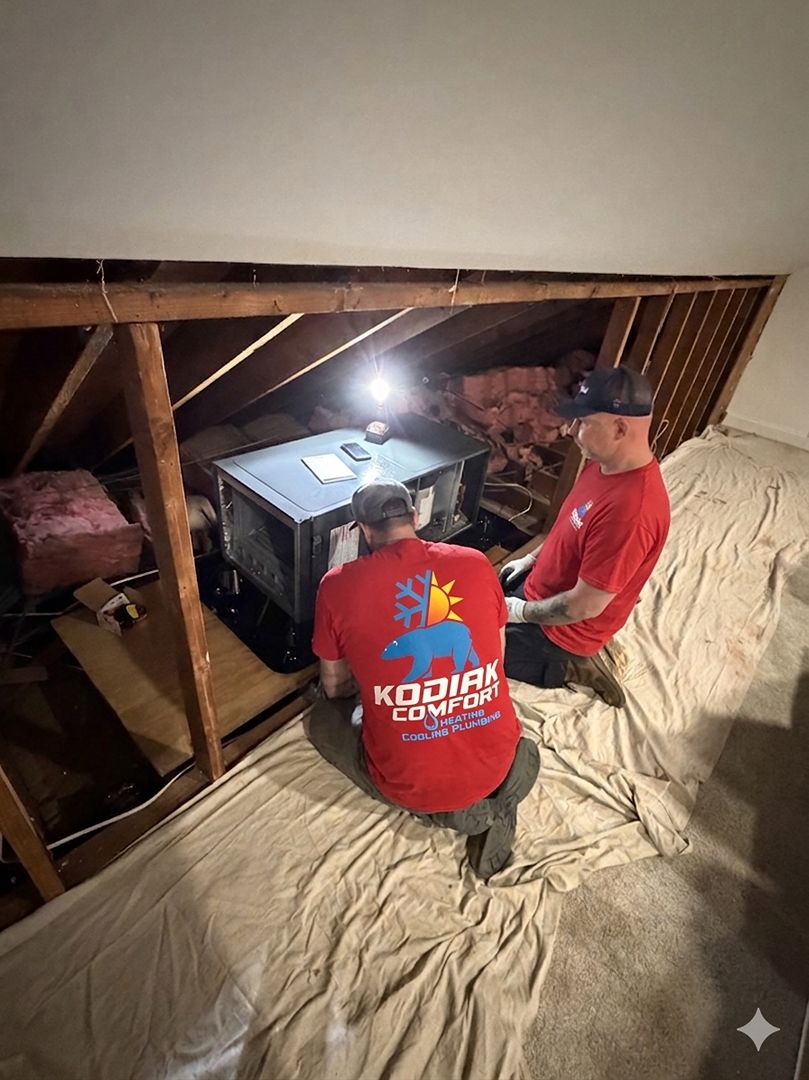
845 N Park Road, Wyomissing, PA
Call two or three of the plumbers on our county plumbers page, give each the same list, and compare the quotes line by line; the one that prices every line tells you whether tankless beats a tank in your house.
Questions people ask about tankless water heaters.
How much is a tankless water heater installed?
Between $1,406 and $3,901 for the unit and the labor, with the average job around $2,640, before whatever your house needs: gas line work, venting, a circuit or a panel, and in Berks a softener.
Does a tankless water heater need maintenance?
Yes, and in Berks it isn't optional. The heat exchanger collects mineral scale from hard water, one maker says to flush it at least once a year, and one maker's warranty excludes damage from mineral build-up and from skipped maintenance.
Is there a rebate for a tankless water heater in Pennsylvania?
For UGI natural gas customers, yes: $400 on an ENERGY STAR certified gas tankless installed before September 30, 2026, while funds last, applied for within 90 days with the invoice. The federal Energy Efficient Home Improvement Credit ended for work after December 31, 2025.
Sources
- HomeAdvisor, "How Much Does a Tankless Water Heater Cost?" (updated Jun 17, 2026): the installed range, average and spread, the natural gas running cost, the 20-year life, and the 24 to 34 percent efficiency figure for households using up to 41 gallons a day.
- HomeAdvisor, "How Much Does a Water Heater Cost?" (updated Jun 17, 2026): the tank installed range and average, the labor figures for tank and tankless, the half-of-total labor share, and the 6 to 15 year tank life.
- This Old House, "Tankless Water Heater Installation Cost" (updated 06/12/2026): the gas line, venting, circuit and panel add-on ranges, and the $100 to $200 yearly cleaning cost.
- JB Plumbing HVAC, specials: the $50 water heater installation offer through October 31, 2026.
- UGI Heating, Cooling & Plumbing, offers: the $400 tankless offer with 0 percent and no payments for 12 months, installs scheduled by October 31, 2026.
- Haller Enterprises, coupons: the $600 tankless offer from a company serving Sinking Spring and Wernersville.
- UGI Utilities, "Gas Tankless Water Heater Rebate": the $400 rebate, its conditions, the September 30, 2026 deadline, the 90-day application window and the $95-a-year savings figure.
- Internal Revenue Service, "Energy Efficient Home Improvement Credit": that the credit covers improvements made through December 31, 2025.
- Rinnai, RU199iN product page: the 199,000 BTU input, the 3/4-inch gas connection and the 11 gallons a minute.
- EcoSmart, electrical requirements: the ECO 27's 240 volts, 112.5 amps, three 40-amp breakers, 8-gauge wire and the 200-amp service recommendation.
- Pennsylvania American Water, 2025 Annual Water Quality Report, Penn District: the 11.9 to 21.1 grains per gallon hardness at six well entry points.
- Muhlenberg Township Authority, 2025 Annual Drinking Water Quality Report: the calcium and magnesium figures from which the township hardness of about 19 grains is computed.
- Penn State Extension, "Water Softening" (updated September 8, 2025): the very-hard threshold above 10.5 grains per gallon and the $500 to $1,500 softener hardware range.
- Navien, NPE-A2 series limited warranty: the exclusions for hard water deposits and skipped maintenance and the 15-year heat exchanger term.
- Rinnai, "How do I flush clean my Rinnai tankless water heater?": the once-a-year flush.
- 34 Pa. Code § 403.62, "Permit requirements and exemptions": the permit requirement for replacing a plumbing, gas or mechanical system, the emergency three-business-day rule, and what is not an ordinary repair.
- BerksConnect listing pages for JB Plumbing HVAC and Kodiak Comfort, and kodiakcomforthvac.com: the tankless services listed and the customer review quoted.
- U.S. Geological Survey, Ground Water Atlas HA 730-L, Valley and Ridge aquifers: that the carbonate (limestone) rock flooring the region's valleys makes the groundwater very hard.
- Pennsylvania American Water, "Typical Water Quality Information, Penn System": the towns the Penn system serves.