Berks Foot & Ankle Surgical Associates is a podiatric medical and surgical practice located at 260 State Street, Suite 2, in Hamburg, Pennsylvania. The clinic provides diagnosis and treatment for conditions affecting the foot, ankle and lower leg, serving patients from Hamburg and the surrounding communities of northern Berks County and neighboring areas of Schuylkill and Lehigh counties. The practice can be reached by telephone at +1 610-562-4999, and additional information is available on its website at berksfootandankle.com.
As the name indicates, the practice combines routine podiatric care with surgical capability. Podiatrists, who hold the Doctor of Podiatric Medicine (DPM) degree, are trained specifically in the anatomy, biomechanics and pathology of the foot and ankle, and their scope of practice covers everything from nail and skin conditions to reconstructive surgery of the bones and soft tissue structures below the knee. Patients at Berks Foot & Ankle Surgical Associates are typically seen by physicians who can evaluate a problem, explain its underlying cause and either treat it conservatively in the office or discuss surgical options when conservative measures are not appropriate.
Conditions and Services
Podiatric practices of this type generally address a broad range of complaints, and the concerns most often brought to a clinic like this one include:
- Heel pain, plantar fasciitis and heel spurs, which are among the most common reasons adults seek podiatric care
- Bunions, hammertoes and other structural deformities of the forefoot
- Ingrown, thickened and fungal toenails, including in-office nail procedures
- Corns, calluses, plantar warts and other skin conditions of the foot
- Ankle sprains, strains, fractures and other acute injuries
- Tendon problems such as Achilles tendinitis and posterior tibial tendon dysfunction
- Neuromas, nerve pain and numbness or burning sensations in the foot
- Flatfoot, high arches and gait or biomechanical abnormalities
- Diabetic foot care, including routine examinations, wound monitoring and ulcer prevention
- Arthritis and degenerative joint conditions affecting the foot and ankle
- Sports-related overuse injuries in both adults and younger athletes
- Custom orthotics, bracing, padding and footwear recommendations
Treatment at a podiatric office often begins conservatively. Depending on the diagnosis, a physician may recommend stretching and strengthening programs, changes in footwear, anti-inflammatory measures, injections, immobilization with a boot or cast, or custom orthotic devices designed to redistribute pressure and correct mechanical problems. Many minor procedures, including ingrown toenail correction, wart treatment and callus debridement, can be completed during a regular office visit without the need for a separate surgical appointment. When surgery is warranted, the practice's surgical focus means that the same physician who made the diagnosis can discuss the procedure, the expected recovery timeline and the alternatives available.
Location and Getting There
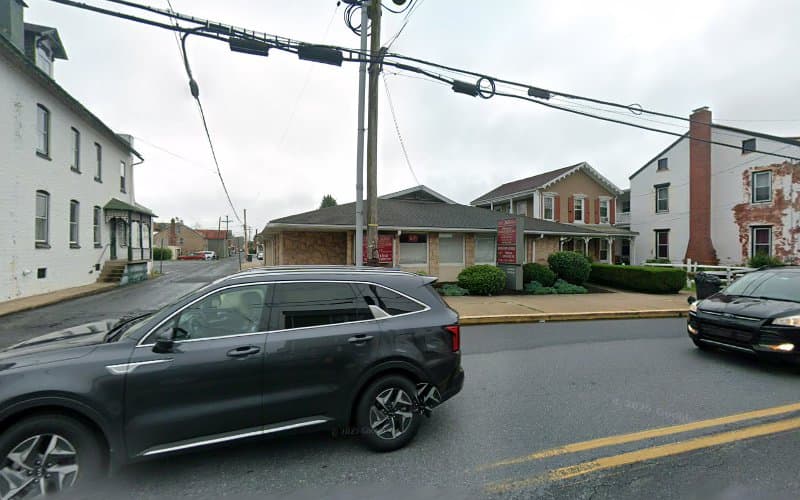
The Hamburg office sits on State Street, the main commercial corridor through the borough. Hamburg is positioned along Interstate 78 and Route 61 in northern Berks County, which makes the office reachable within a short drive from Shoemakersville, Kutztown, Bernville, Bethel, Auburn, Orwigsburg and Leesport, as well as from Reading and the Lehigh Valley. The suite number, #2, identifies the practice within the building, and patients have found the location straightforward to locate and park near, which is a practical consideration for anyone arriving with a painful foot, a walking boot or crutches.
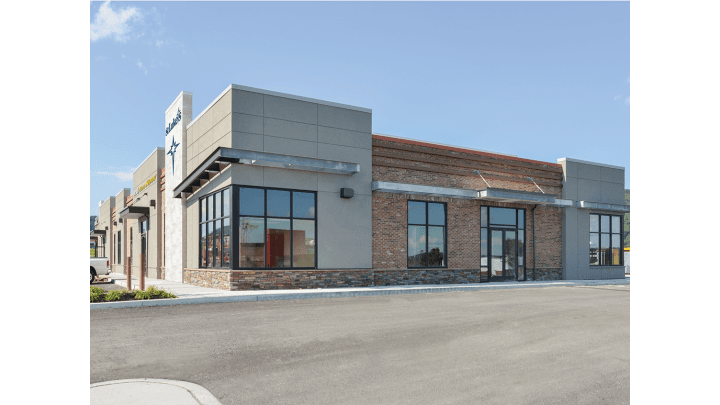
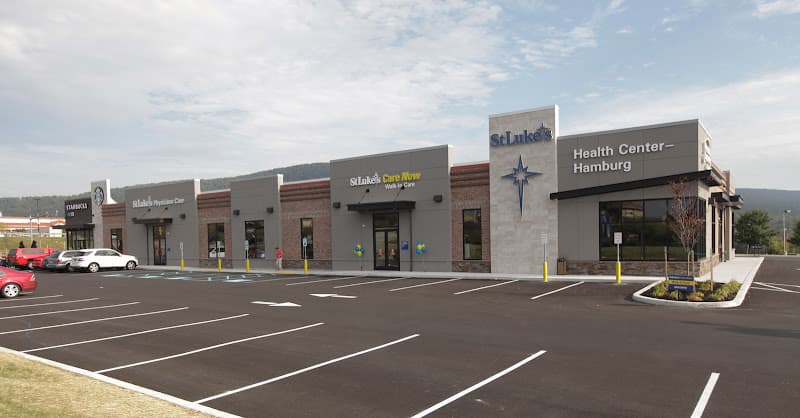
The office is set up with accessibility in mind. There is a wheelchair accessible entrance, a wheelchair accessible parking lot and a wheelchair accessible restroom, along with a restroom available for patient use during visits. These features matter in a podiatric setting, where a significant share of patients arrive with limited mobility, post-surgical immobilization or balance difficulties.
Appointments and Visit Logistics
Appointments are required, and scheduling in advance is recommended. New patients can call the office directly to arrange an initial evaluation. Prospective patients should plan to bring a photo ID, insurance information, a list of current medications and any relevant imaging or records from prior providers, such as X-rays, MRI reports or notes from a primary care physician or orthopedic specialist. Wearing or bringing the shoes typically worn each day is also useful, since wear patterns on the soles can provide the physician with information about gait and pressure distribution.
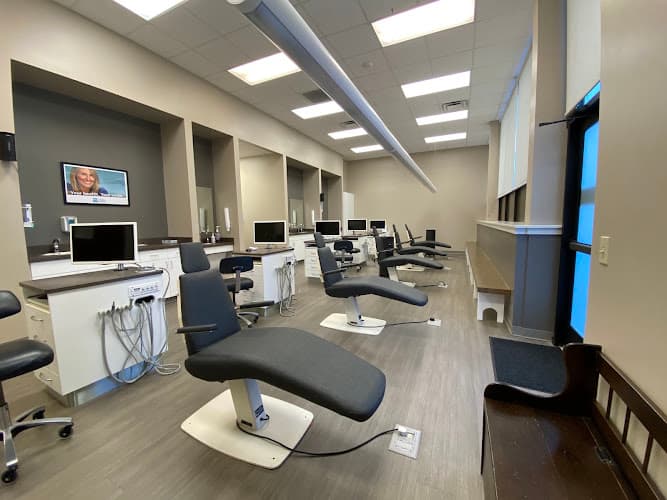
A first visit usually involves a history of the complaint, a physical and biomechanical examination of the foot and ankle, and in many cases diagnostic imaging. The physician then explains the findings and outlines the treatment options before a plan is chosen. Follow-up intervals vary widely by condition, from a single visit for a simple nail problem to a series of appointments for wound care, orthotic fitting or post-surgical monitoring.
The practice accepts debit cards, credit cards and NFC mobile payments such as contactless phone and smartwatch transactions. Patients with questions about insurance participation, referral requirements or out-of-pocket costs for services such as custom orthotics are advised to confirm details with the front desk before their appointment, since coverage for podiatric care and orthotic devices varies considerably between plans.
Character of the Practice
Berks Foot & Ankle Surgical Associates operates as a community-scale specialty office rather than a large hospital department, and its physicians, including Dr. Lazar, Dr. Watson and Dr. Zimmerman, are named regularly by the patients who write about their visits. That kind of continuity means patients generally see the same physician across a course of treatment, which is useful for conditions that require gradual adjustment of a treatment plan.
The practice also fills a practical role in a largely rural and small-borough region where specialty medical services are not always close at hand. For residents of northern Berks County, having a podiatric surgical practice in Hamburg removes the need to travel into Reading or Allentown for foot and ankle care, including for diabetic patients who require regular monitoring and for older adults managing chronic conditions who benefit from a nearby office.
When to Seek Podiatric Care
Foot pain that persists beyond a few weeks, changes in the shape or alignment of the toes, numbness or tingling, wounds that do not heal, and any injury that makes weight bearing difficult are all reasons to schedule an evaluation. People with diabetes are typically advised to have their feet examined by a podiatrist at least annually, and more frequently if they have neuropathy, circulation problems or a history of ulceration. Early evaluation often expands the range of nonsurgical options available, which is a reasonable argument for calling sooner rather than waiting for a problem to worsen.