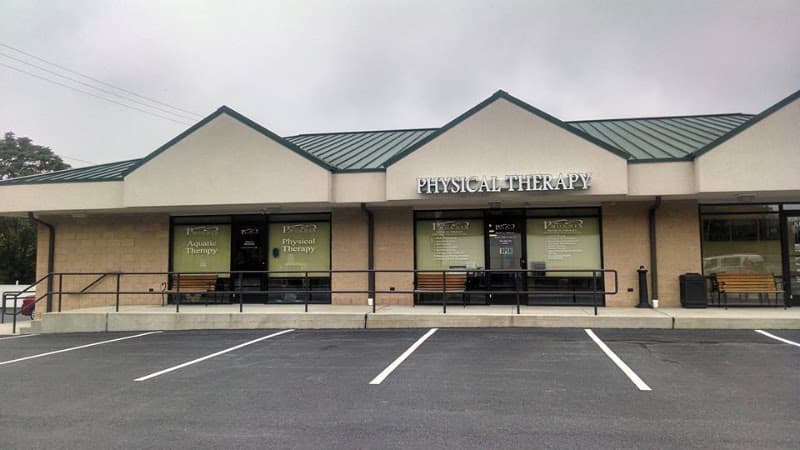
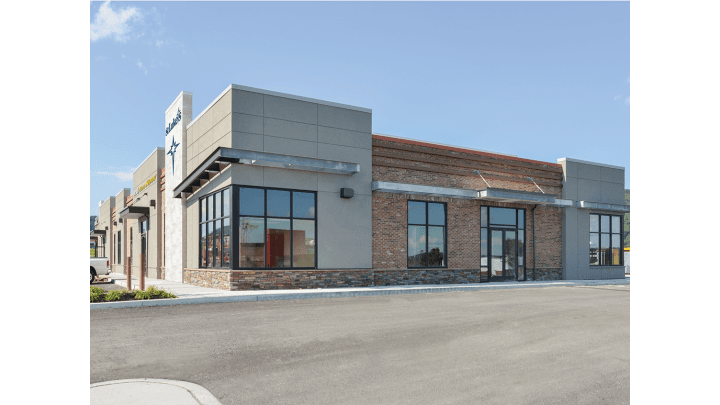
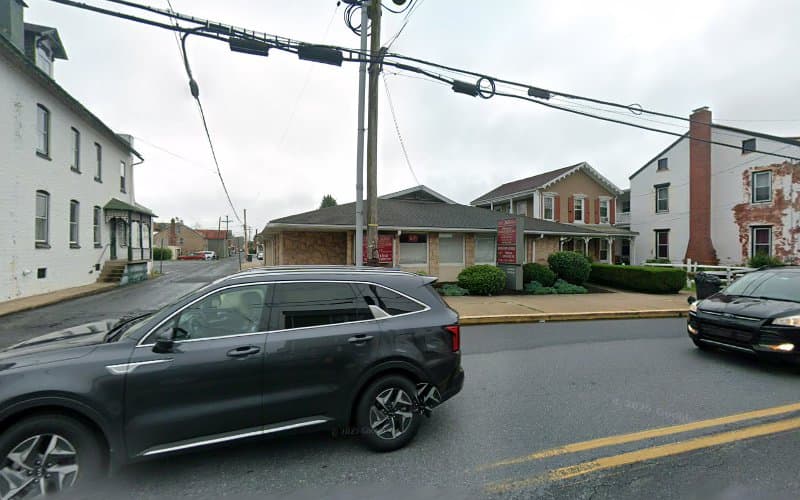
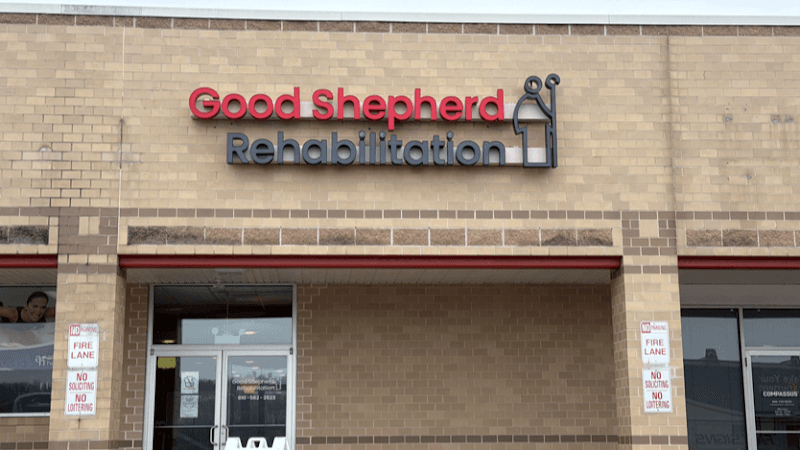
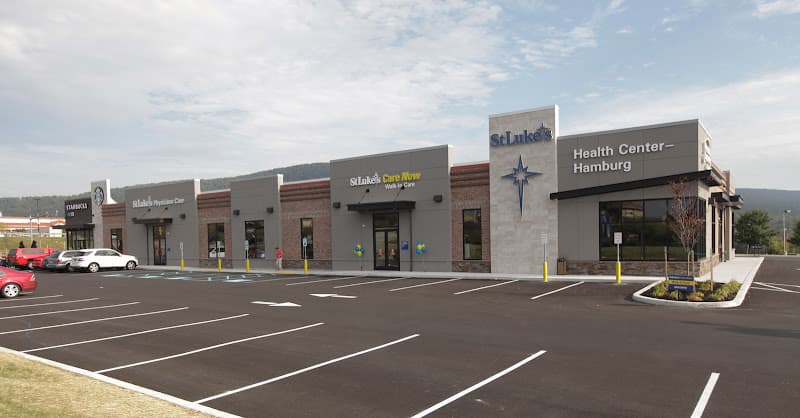
Phoenix Physical Therapy operates an outpatient clinic at 16515 Pottsville Pike, Suite B, in Hamburg, Pennsylvania. The location sits along the Route 61 corridor in northern Berks County, a stretch that connects Hamburg with Shoemakersville, Port Clinton and the communities surrounding Blue Mountain. The clinic serves patients from Hamburg borough and the surrounding townships, including Windsor, Perry, Tilden and Upper Bern, as well as residents of nearby Kutztown, Bernville and the Schuylkill County line towns who prefer a local option to driving into Reading or Allentown for rehabilitation.
Phoenix Physical Therapy is a regional outpatient rehabilitation provider with clinics across Pennsylvania and several neighboring states. The Hamburg office functions as a full service outpatient site, meaning patients come in on a scheduled basis for one on one treatment rather than staying overnight or receiving care in a hospital setting. Appointments are recommended, and the clinic can be reached by phone at +1 484-660-3139.
Services and Clinical Focus
The practice provides outpatient physical therapy for orthopedic, neurological and post surgical conditions. Typical reasons patients are referred to or self refer into a clinic of this type include:
- Recovery after joint replacement surgery, including total knee and total hip replacements
- Rehabilitation following rotator cuff repair, ACL reconstruction, meniscus surgery and other orthopedic procedures
- Low back pain, neck pain, sciatica and other spine related complaints
- Shoulder, elbow, wrist, hip, knee, ankle and foot injuries
- Sprains, strains, tendinitis, bursitis and repetitive use injuries
- Gait and balance training for patients using walkers, canes or other mobility aids
- Vestibular rehabilitation for dizziness, vertigo and balance disorders
- Work related injury rehabilitation and return to activity conditioning
- Rib cage and chest wall conditions such as costochondritis, along with other less commonly diagnosed musculoskeletal problems
- Sports injuries in student athletes and recreational adult athletes
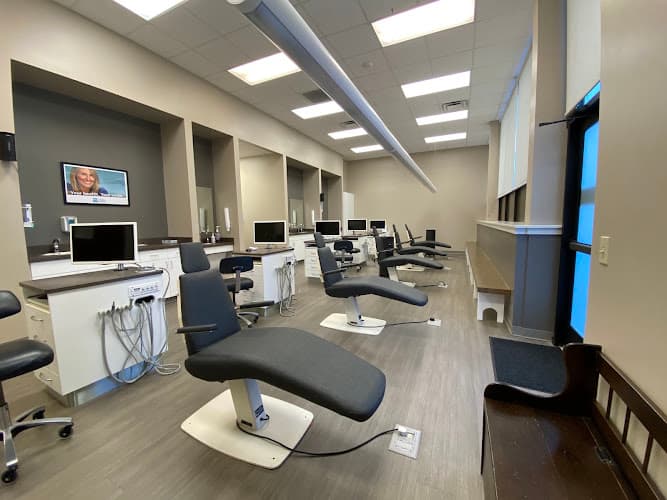
Treatment generally begins with an evaluation in which the therapist takes a history, tests range of motion and strength, screens movement patterns and identifies the source of symptoms. From there, a plan of care is built around the patient's specific diagnosis, medical history and personal goals. Sessions commonly combine therapeutic exercise, manual therapy techniques, stretching, strengthening progressions, balance and coordination work, and modalities such as heat, ice, electrical stimulation or ultrasound when appropriate.
Approach to Care
A defining feature of the Hamburg clinic is the emphasis on a therapist driven model. Patients work directly with a licensed physical therapist who oversees the progression of their program, rather than being handed off entirely to assistants or left to complete a generic exercise circuit alone. That structure allows the clinician to adjust loads, repetitions and techniques in real time based on how the patient is responding on a given day.
The clinic also puts considerable weight on home exercise programs. Patients typically leave with a written or illustrated set of movements to perform between visits, and those programs are reviewed and updated as progress is made. The intent is that improvement continues after discharge, and that patients understand how to manage flare ups on their own rather than returning to therapy repeatedly for the same issue. For many conditions, particularly chronic back, neck and foot pain, the home portion of the program is as important as the in clinic work.
Goal setting is handled collaboratively. A patient hoping to return to farm work, a retiree who wants to climb the stairs without a railing, and a runner preparing for a 5K all require different endpoints, and the plan of care is shaped around those specific targets rather than a generic checklist. Progress is measured against functional benchmarks that matter to the person being treated.
Clinical Team
The Hamburg office is led by a physical therapist with a background in orthopedic and vestibular care, and the staff includes multiple licensed therapists and support personnel. Patients generally see the same clinician throughout an episode of care, which supports continuity and allows the therapist to track subtle changes over weeks of treatment. Vestibular rehabilitation, which addresses inner ear related dizziness and positional vertigo, is among the more specialized services available at the site and is not offered at every outpatient clinic in the region.
Visiting the Clinic
The facility is located in a commercial building with on site parking. Accessibility features include a wheelchair accessible entrance, a wheelchair accessible parking lot and a wheelchair accessible restroom, so patients arriving with walkers, wheelchairs or scooters can enter and move through the clinic without navigating steps. A restroom is available on site for patient use.
Payment options include credit cards, debit cards and NFC mobile payments such as tap to pay from a phone or smartwatch. Most outpatient physical therapy is billed through health insurance, and the office staff can verify benefits, explain copay and deductible obligations, and handle authorization requirements before treatment begins. Patients are encouraged to call ahead with their insurance information so that coverage questions are settled before the first visit.
Pennsylvania allows direct access to physical therapy under certain conditions, which means patients may be able to begin an evaluation without a physician referral, though individual insurance plans may still require one for coverage. Anyone unsure about referral requirements can ask when scheduling. For a first appointment, it helps to bring a photo ID, the insurance card, any imaging reports or surgical notes, a list of current medications, and clothing that allows access to the area being treated. Loose fitting shorts, a t shirt and supportive sneakers are generally appropriate.
Appointments are recommended rather than walk in, and scheduling ahead allows the clinic to reserve adequate time for evaluations, which typically run longer than follow up visits. Visit frequency varies by diagnosis, with many orthopedic plans of care running two to three times per week over several weeks, tapering as independence improves.
Practical Details
- Address: 16515 Pottsville Pike, Suite B, Hamburg, PA 19526
- Phone: +1 484-660-3139
- Service type: Outpatient physical therapy clinic
- Scheduling: Appointments recommended
- Accessibility: Accessible entrance, parking and restroom
- Payments accepted: Credit cards, debit cards, contactless mobile payments
Patients seeking information about specific conditions treated, therapist availability or current hours can contact the Hamburg office directly by phone or through the Phoenix Physical Therapy website.