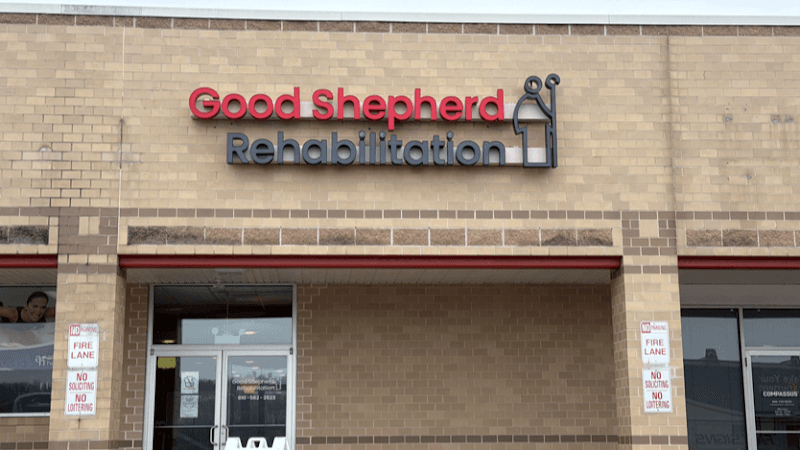
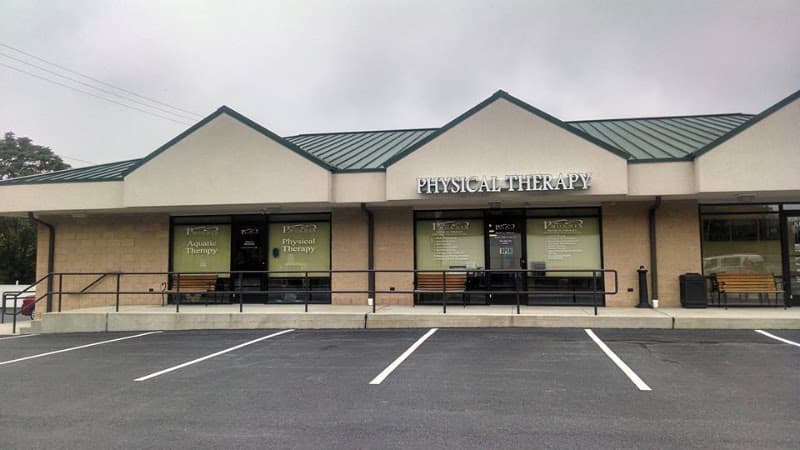
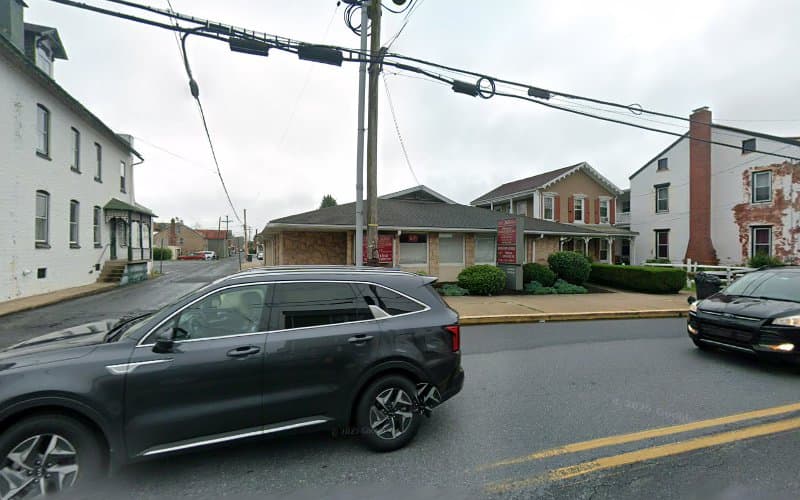
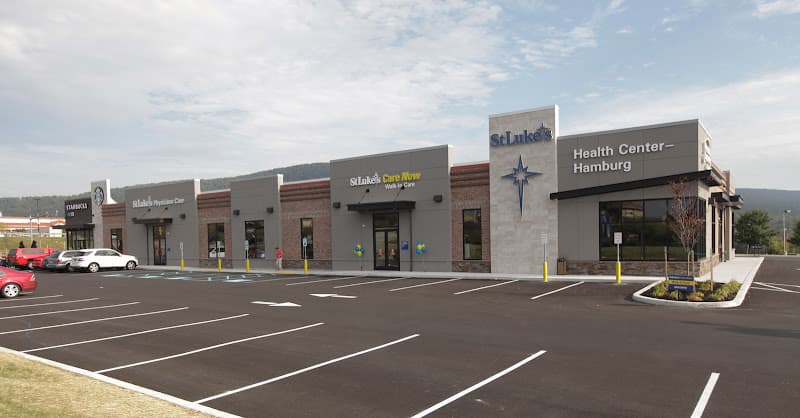
Good Shepherd Rehabilitation operates an outpatient physical therapy clinic at 500 Hawk Ridge Drive, Suite 2A, in Hamburg, Pennsylvania. The site provides rehabilitation services for people recovering from injury, surgery, illness, or neurological events, and serves patients of a wide range of ages and activity levels. It functions as a community based outpatient location, meaning patients attend scheduled visits and return home the same day rather than staying overnight.
The Hamburg clinic is one of numerous outpatient sites operated by Good Shepherd across eastern Pennsylvania. Its role within that network is to bring therapy services closer to residents of northern Berks County and southern Schuylkill County, who might otherwise travel to Reading, Allentown, or Pottsville for the same care.
Background and Organizational History
Good Shepherd Rehabilitation traces its origins to Allentown, Pennsylvania, where the organization was founded in the early twentieth century as a home providing care for children and adults with disabilities. Over the following decades it expanded into a nonprofit rehabilitation network that includes inpatient rehabilitation hospital services, long term care, specialized programs for brain and spinal cord injury, pediatric rehabilitation, and a broad footprint of outpatient clinics. The outpatient division grew significantly as demand increased for therapy delivered in neighborhood settings rather than hospital campuses.
That history shapes what happens at a site like Hamburg. Because the larger organization treats complex diagnoses on the inpatient side, its outpatient clinics are accustomed to receiving patients who are stepping down from hospital or inpatient rehabilitation and still need structured therapy to keep progressing. Continuity between levels of care is a practical benefit of belonging to a network with both inpatient and outpatient capabilities.
Services and Clinical Focus
Outpatient therapy at this location centers on physical therapy, with related disciplines available through the broader Good Shepherd network. Common reasons patients are referred to an outpatient clinic of this kind include:
- Orthopedic conditions affecting the back, neck, shoulder, hip, knee, ankle, and foot
- Post surgical rehabilitation following joint replacement, rotator cuff repair, ligament reconstruction, or spinal surgery
- Neurological rehabilitation after stroke or other neurological diagnoses, including gait training and functional retraining
- Balance problems, dizziness, and fall risk reduction, often relevant for older adults
- Work related injuries and return to work conditioning
- Sports injuries and activity specific reconditioning
- Chronic pain management through graded movement and strengthening
- Occupational therapy needs such as upper extremity function and daily living tasks, coordinated through the network
A typical episode of care begins with an evaluation in which a licensed therapist reviews medical history, measures range of motion and strength, assesses gait or functional movement, and discusses the patient's goals. From that evaluation the therapist builds a plan of care with a projected frequency and duration, which is documented and shared with the referring physician when applicable.
How Treatment Is Structured
Therapy sessions generally combine hands on techniques with supervised exercise. Manual therapy, therapeutic exercise, neuromuscular re-education, gait and balance training, and modalities such as heat, cold, or electrical stimulation may be used depending on the diagnosis. Progress is tracked with objective measures so that the plan can be adjusted as strength, mobility, and pain levels change.
A defining feature of outpatient rehabilitation is the home program. Patients are given specific exercises to perform between visits, with instruction on form, repetitions, and frequency. These programs are typically revised at intervals so that the difficulty advances as tolerance improves, and patients are often encouraged to continue them after discharge in order to maintain gains. Education is part of the process as well, covering topics such as activity modification, posture, body mechanics, and what sensations are normal during recovery.
Location and Service Area
Hawk Ridge Drive is located on the outskirts of Hamburg, Berks County, in an area accessible from Route 61 and convenient to the Interstate 78 corridor. The borough of Hamburg sits along the Schuylkill River near the Blue Mountain ridge, and the clinic draws patients from Hamburg itself as well as surrounding communities including Shoemakersville, Leesport, Strausstown, Bernville, Kutztown, Lenhartsville, Auburn, Orwigsburg, and other towns in northern Berks and southern Schuylkill counties. Parking is available on site, which is a practical consideration for patients attending multiple visits per week while managing pain or limited mobility.
Accessibility and Facility Information
The clinic is set up to accommodate patients with mobility limitations, including those arriving by wheelchair or walker. Reported accessibility features include:
- Wheelchair accessible entrance
- Wheelchair accessible parking lot
- Wheelchair accessible seating
- Wheelchair accessible restroom
On site restrooms are available, including a gender neutral restroom. The location is identified as LGBTQ+ friendly and as a transgender safe space, indicators that reflect the organization's stated approach to serving patients of all identities.
Appointments, Referrals, and Payment
Appointments are required, and scheduling in advance is recommended. Prospective patients can call +1 610-562-3523 to arrange an evaluation or to ask about availability, therapist assignments, and what to bring to a first visit. Useful items typically include a photo ID, insurance card, any referral or prescription from a physician, imaging reports if available, and clothing that allows access to the area being treated, such as shorts for knee therapy or a loose shirt for shoulder work.
Pennsylvania's direct access provisions allow patients to begin physical therapy with a licensed therapist without a physician referral for a limited period, though individual insurance plans may still require one for coverage. Because coverage rules vary by plan, it is worth confirming benefits, visit limits, copay amounts, and referral requirements with both the clinic and the insurer before starting a course of therapy.
Accepted payment methods at the location include credit cards, debit cards, and NFC mobile payments. Additional information about the Hamburg site and the broader network of services is published on the Good Shepherd Rehabilitation website.
What Patients Can Expect
Outpatient rehabilitation works best as a collaborative process. Patients who attend consistently, complete assigned home exercises, and report changes in symptoms tend to move through their plan of care more predictably. Therapists at the Hamburg clinic coordinate with referring physicians and surgeons as needed, and discharge planning usually includes a maintenance program so that improvements in strength, mobility, and function can be sustained after formal visits end.