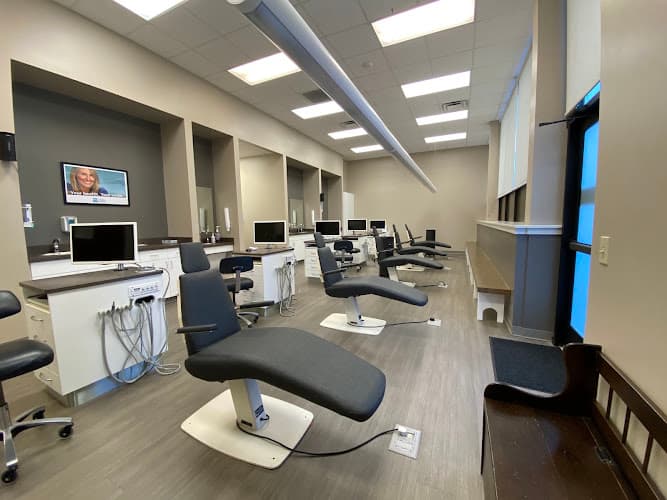
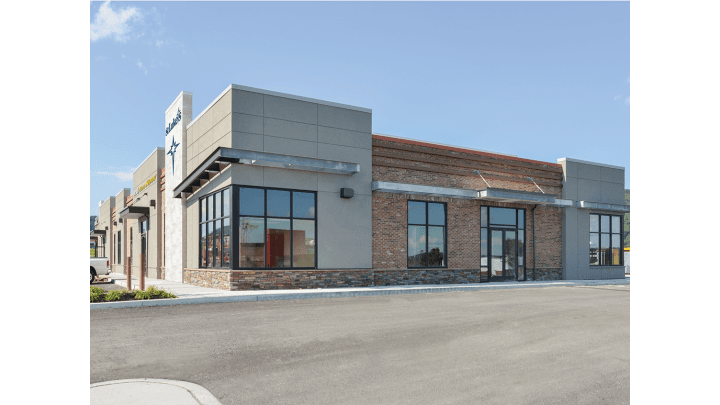
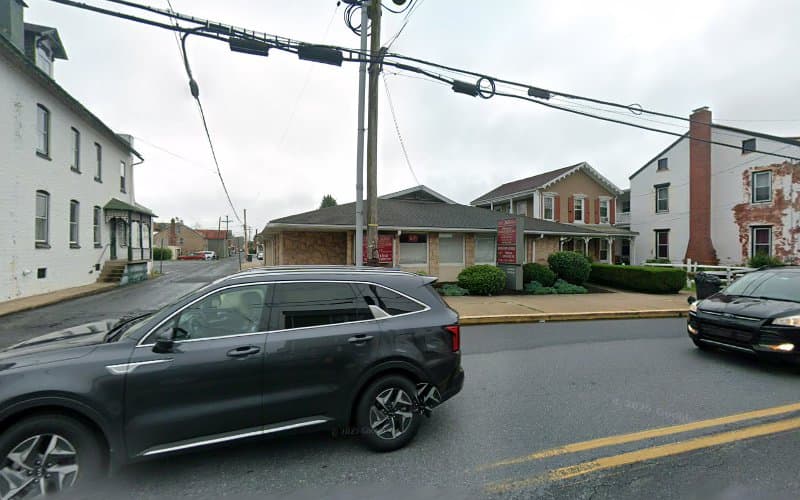
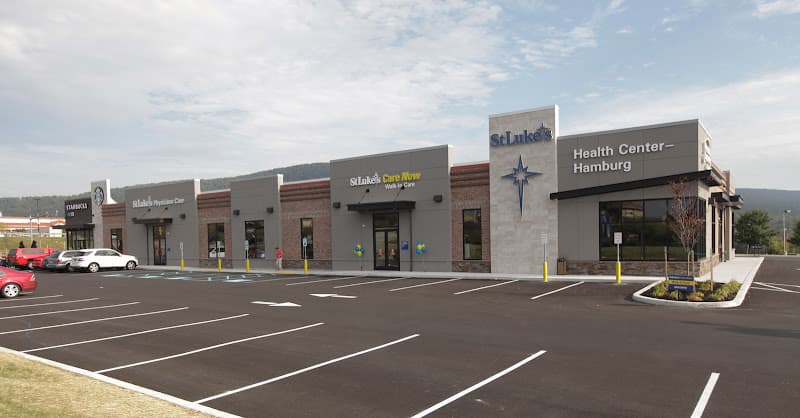
Berks Oral Surgery + Dental Implant Center is an oral and maxillofacial surgery practice located at 443 State Street in Hamburg, Pennsylvania. The office serves patients from the Hamburg borough and the surrounding communities of northern Berks County, as well as individuals traveling from neighboring Schuylkill and Lehigh counties. As a surgical specialty practice, it focuses on procedures that fall outside the scope of routine general dentistry, including tooth removal, dental implant placement and related bone and soft tissue procedures performed under local anesthesia, sedation or general anesthesia.
Oral and maxillofacial surgery is one of the recognized dental specialties in the United States, requiring several years of hospital based residency training after dental school. Surgeons in this field are trained in the diagnosis and surgical treatment of conditions affecting the teeth, jaws, mouth and associated facial structures, and they receive extensive instruction in anesthesia administration and airway management. That training background is what allows a practice such as this one to offer in office sedation for procedures that many patients would otherwise associate with a hospital setting.
Services Commonly Provided
The practice concentrates on surgical care of the mouth and jaws. Services typically associated with an office of this type include:
- Simple and surgical tooth extractions, including teeth that are broken, badly decayed or non restorable
- Removal of wisdom teeth, including impacted third molars that have not fully erupted through the gum or bone
- Dental implant placement, in which a titanium or ceramic post is set into the jawbone to serve as the foundation for a crown, bridge or denture
- Bone grafting and socket preservation, procedures that rebuild or maintain jawbone volume so that an implant can be placed successfully
- Full arch and multiple tooth replacement planning carried out in coordination with a restorative dentist or prosthodontist
- Exposure and bonding of impacted teeth for orthodontic patients
- Treatment of dental infections, abscesses and other urgent oral conditions
- Biopsy and evaluation of oral lesions, cysts and other soft tissue or bony abnormalities
- Pre prosthetic surgery to prepare the mouth for dentures or partials
- Anesthesia services ranging from local anesthetic to intravenous sedation, selected according to the procedure and the patient's medical history
Patients frequently arrive by referral from a general dentist, orthodontist or periodontist who has identified a problem requiring specialist attention. Self referral is also common, particularly in cases involving pain, a fractured tooth or a failed restoration. The practice name signals its two primary emphases: oral surgery in the broad sense, and dental implant treatment as a distinct area of focus.
The Implant Process
Dental implant treatment is usually completed in stages rather than in a single visit. An initial consultation generally includes a clinical examination and imaging, which may involve panoramic radiographs or three dimensional cone beam scanning to assess bone height, bone width and the position of nerves and sinuses. If sufficient bone is present, the implant fixture is placed surgically and then left to integrate with the surrounding bone over a period of months. When bone volume is inadequate, grafting is performed first, adding an additional healing interval before placement. Once integration is confirmed, the restoring dentist fabricates and attaches the final crown, bridge or denture attachment.
Because the surgical and restorative phases are often handled by two different offices, coordination matters. Patients considering implants are usually advised to ask how the surgical practice and their general dentist will communicate, what the total treatment timeline looks like, and how costs are divided between the two providers.
Location and Access
Hamburg is a borough in northern Berks County situated along the Schuylkill River near the base of Blue Mountain. State Street is the borough's main commercial corridor, and the location places the office within a short drive of Route 61 and Interstate 78, a junction that makes it reachable for patients coming from Shoemakersville, Leesport, Kutztown, Bernville, Reading, Pottsville, Auburn and points along the Lehigh Valley corridor. For residents of the rural townships north and west of Reading, a specialty surgical office in Hamburg can represent a meaningfully shorter trip than traveling into a larger metropolitan area.
The office reports a wheelchair accessible entrance, a wheelchair accessible restroom and a wheelchair accessible parking lot, which is relevant for patients with mobility limitations and for those who may be unsteady after sedation and need assistance moving to and from a vehicle.
Preparing for an Appointment
Patients scheduling oral surgery can generally expect a few standard requirements. Useful items to prepare before a first visit include:
- A current list of medications, including blood thinners, bisphosphonates, supplements and over the counter products
- A summary of medical conditions and past surgeries, along with the name of the primary care physician or any treating specialists
- Recent dental radiographs or a referral letter, if one was provided by the referring dentist
- Dental insurance and medical insurance information, since some oral surgery procedures may be billed to medical coverage depending on the diagnosis
- An adult driver and escort if intravenous sedation or general anesthesia is planned, as patients are not permitted to drive themselves home
- Fasting instructions followed exactly when sedation is scheduled, typically no food or drink for a set number of hours beforehand
Recovery expectations vary by procedure. Straightforward extractions often involve a short period of bleeding control, swelling that peaks within the first two days and a soft food diet for a brief time. Impacted wisdom tooth removal and grafting procedures usually require more recovery time. Written post operative instructions covering bleeding, swelling management, diet, oral hygiene and medication use are standard in oral surgery practice, and patients are generally encouraged to keep the office phone number handy in case questions arise during healing.
Character of the Practice
Two characteristics stand out from the public record of patient experiences at this office. The first is scheduling responsiveness, including the ability to accommodate urgent problems such as fractured teeth and to see referred patients without the long waiting periods common at many surgical specialty offices. The second is the attention given to patient anxiety, an issue that affects a substantial share of people facing oral surgery and that is particularly relevant for children, older adults and anyone with a history of difficult dental experiences.
Contact
The office can be reached by telephone at +1 610-374-4093, and additional information about services, providers and patient forms is available at www.berksoralsurgery.com. Prospective patients are advised to call regarding current office hours, accepted insurance plans, consultation fees and referral requirements, since these details can change over time.