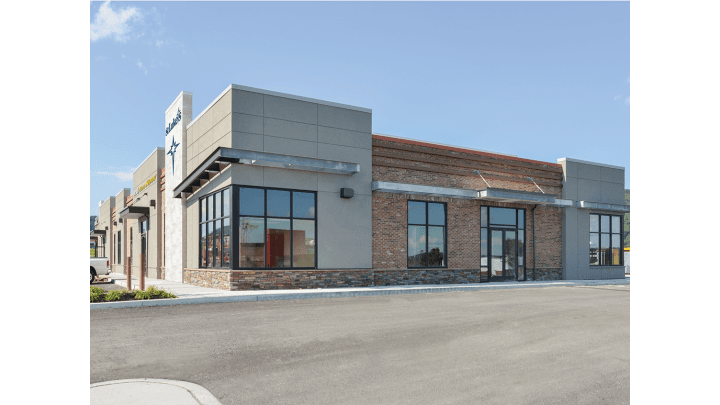
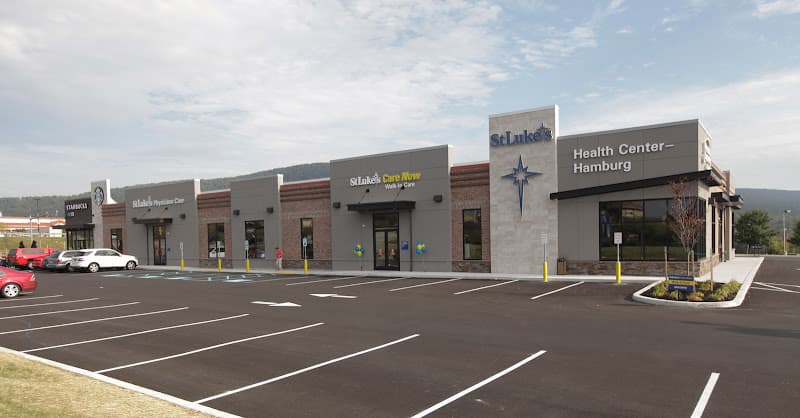
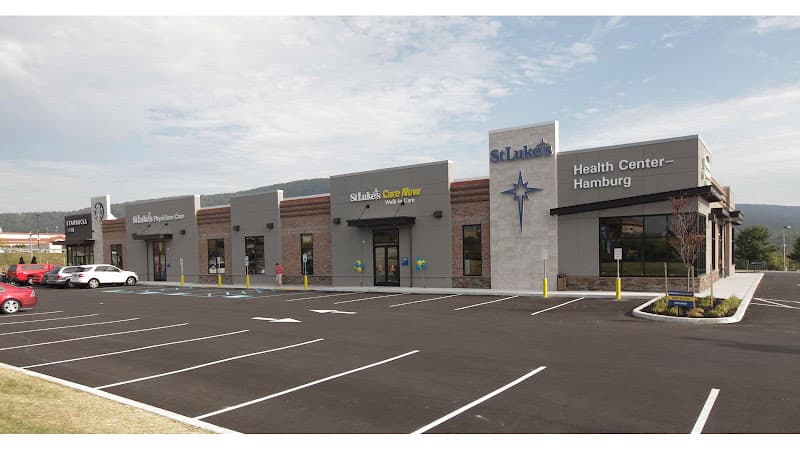
Fluoride-B-gone is a water filter supplier based in Hamburg, Pennsylvania, operating from a suite at 5433 Old U.S. 22 in Berks County. The business occupies a category of retail and supply that has grown steadily over the past two decades: companies that specialize not in general plumbing or appliance sales, but specifically in drinking water treatment equipment for households and small commercial users. As the name indicates, the company's focus is on filtration systems intended to reduce or remove fluoride from tap water, along with the broader range of contaminants that home filtration products are commonly used to address.
Customers can reach the business by phone at +1 484-525-7037 or through its website at fluoridebgone.com, where product information and ordering details are typically maintained. Because the business operates from a suite within a commercial property along a major state highway corridor, prospective visitors are encouraged to call ahead to confirm hours and whether an appointment is needed for consultations, pickups, or equipment demonstrations.
What a Fluoride-Focused Water Filter Supplier Does
Fluoride is among the more difficult substances to remove from drinking water at the household level. Standard carbon pitcher filters and refrigerator filters, which are effective against chlorine, taste and odor compounds, and some sediment, generally do not reduce fluoride to a meaningful degree. Suppliers that specialize in this niche therefore work with a narrower set of technologies, most commonly:
- Reverse osmosis systems, which force water through a semipermeable membrane and are widely documented as effective at reducing dissolved minerals and ions, including fluoride
- Activated alumina media, a specialty adsorbent used in cartridges and tanks that binds fluoride ions as water passes through
- Bone char carbon, a traditional adsorbent media used in some gravity and cartridge systems
- Distillation units, which separate water from dissolved solids through evaporation and condensation
- Multi-stage combinations, in which fluoride-specific media is paired with sediment prefilters and carbon blocks to address taste, chlorine, chloramine, and other concerns
A supplier working in this area is generally expected to be familiar with flow rates, contact time, media capacity, and replacement intervals, since fluoride reduction depends heavily on how long water remains in contact with the adsorbent material. These technical variables are a common subject of conversation between customers and specialty suppliers, and they are one reason buyers often prefer a dedicated shop over a general home improvement retailer.
Local and Regional Water Context
Hamburg sits in northern Berks County near the Schuylkill River and the Blue Mountain ridge, an area where drinking water comes from a mix of sources. Some residents are served by municipal or authority-operated systems that draw on surface water and wells, while a significant portion of households in the surrounding townships rely on private wells. That split creates two distinct customer groups for a water filtration supplier.
Households on public water in Pennsylvania may receive water that is fluoridated, depending on the decisions of the individual water system. Public water suppliers are required to publish annual consumer confidence reports that list fluoride levels along with other monitored substances, and these reports are a useful starting point for anyone evaluating filtration options. Residents on private wells, by contrast, are not subject to routine public testing requirements, and naturally occurring fluoride can be present in groundwater depending on local geology. Well owners in the region commonly test for bacteria, nitrates, hardness, iron, manganese, and in some areas arsenic or radon, and fluoride can be added to a laboratory panel on request.
Because the appropriate system depends on what is actually in the water, suppliers in this field frequently recommend that customers obtain a recent water test before purchasing equipment. A test result allows the supplier to size a system correctly, recommend prefiltration where sediment or iron would otherwise shorten media life, and set realistic expectations about performance.
Products and Services Customers Commonly Seek
While specific inventory and offerings should be confirmed directly with the business, suppliers in this category typically handle a combination of the following:
- Point of use drinking water systems installed under a kitchen sink, often with a dedicated faucet
- Countertop and gravity-fed units for renters or households that cannot modify plumbing
- Replacement cartridges, membranes, and specialty media for existing systems
- Housings, fittings, tubing, faucets, storage tanks, and other components
- Guidance on installation, maintenance schedules, and troubleshooting issues such as slow flow or taste changes
- Whole-house equipment where the goal extends beyond drinking water to bathing and laundry
Filter maintenance is an ongoing relationship rather than a one time purchase, and much of the value a specialty supplier provides comes after the sale. Sediment and carbon stages generally require replacement on a schedule measured in months, reverse osmosis membranes on a schedule measured in years, and fluoride-specific media according to volume treated. A local supplier that stocks compatible replacements can spare customers the task of identifying obscure cartridge sizes or proprietary parts.
Location, Access, and Practical Details
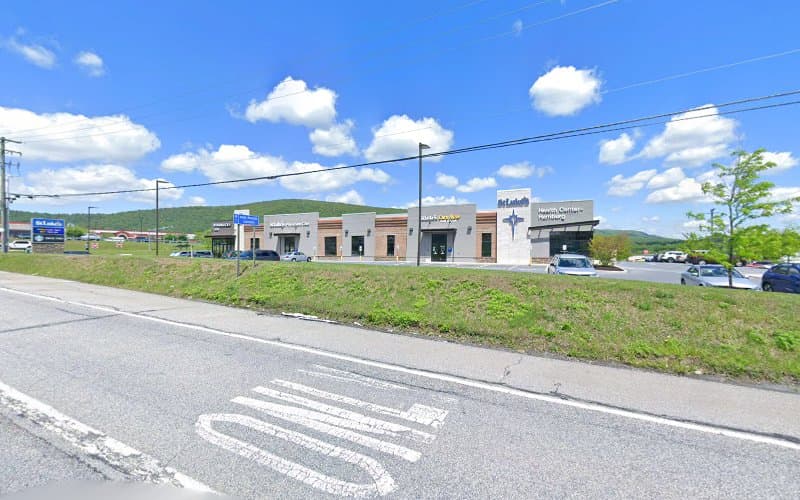
The address, 5433 Old U.S. 22, places the business along the older alignment of Route 22 in the Hamburg area, a corridor that parallels Interstate 78 and provides convenient access for customers traveling from Reading, Allentown, Lebanon, Pottsville, and the townships in between. The highway location is practical for a business that deals in bulky items such as filter housings, storage tanks, and cases of replacement cartridges.
According to information listed for the business, the premises include a wheelchair accessible entrance and a wheelchair accessible parking lot, which makes in person visits feasible for customers with mobility needs. Visitors should note the suite number, 2022, when arriving, as the address is part of a larger commercial address group.
Considerations for Prospective Customers
Anyone shopping for fluoride reduction equipment may find the following practical points useful when contacting a supplier:
- Bring or reference a recent water analysis if one is available, including fluoride, hardness, pH, and total dissolved solids
- Identify how much treated water the household uses daily, since this affects system sizing and media replacement frequency
- Ask about third party certification of components, such as testing against recognized drinking water treatment standards
- Clarify replacement part availability and cost of ownership over several years, not only the initial purchase price
- Discuss installation requirements, including available space under the sink, drain access for reverse osmosis systems, and water pressure
- Ask about warranty terms and what support is offered if performance declines
For questions about current products, pricing, availability, shipping, or scheduling a visit to the Hamburg location, the business can be contacted directly by telephone or through its website.