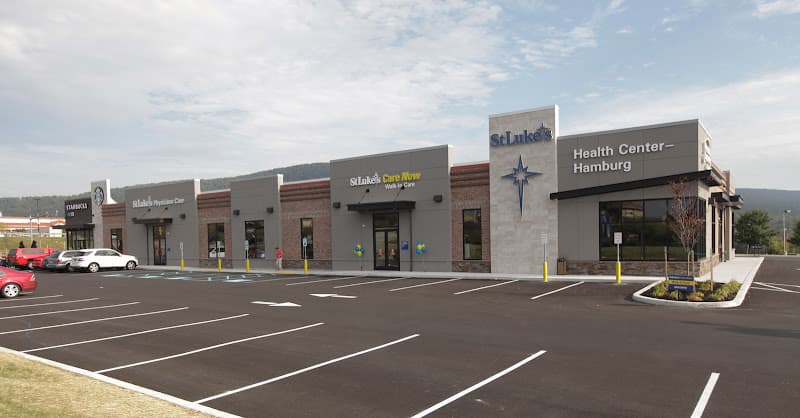
Laurel Center is a nursing home located at 125 Holly Rd in Hamburg, Pennsylvania, serving residents of northern Berks County and the surrounding communities of Schuylkill, Lehigh and Lebanon counties. The center operates as part of the Genesis HealthCare network, one of the larger post-acute and long-term care providers in the United States, and it offers a combination of skilled nursing care, short-term rehabilitation and supportive residential living on a single campus. Information about the center is available by phone at +1 610-562-2284 or through the Genesis HealthCare website.
Facilities of this type occupy a specific place in the continuum of care. They serve people who are no longer in need of hospital treatment but who still require nursing supervision, therapy or daily assistance that would be difficult to arrange at home. For some residents, a stay at Laurel Center lasts a matter of weeks while they recover strength after surgery, a fall or an illness. For others, the center becomes a permanent residence where nursing staff, dietary services, housekeeping and social programming are provided around the clock.
Location and Setting
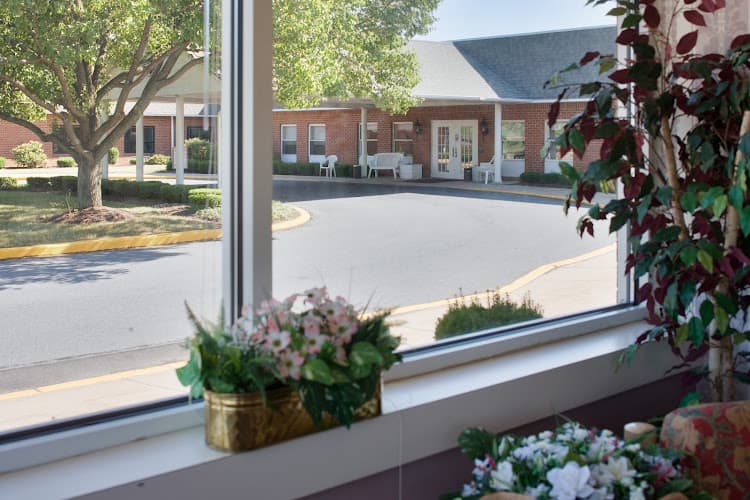
Hamburg sits along the Schuylkill River at the base of Blue Mountain, in a part of Berks County where farmland, small boroughs and state game lands meet. Laurel Center is positioned off the main commercial corridor, in a rural pocket of the township with open views of the surrounding ridgelines and agricultural land. That setting matters in practical terms as well as aesthetic ones: the grounds are quiet, parking is straightforward, and there is room for outdoor seating and walking areas that would be difficult to replicate at an urban facility.
Accessibility from the regional highway network is one of the site's more useful features for visiting families. The center is a short drive from both Route 61 and Interstate 78, which places it within reasonable reach of Reading, Allentown, Pottsville and points along the Route 222 corridor. Relatives traveling from the Lehigh Valley or from the Harrisburg direction can generally reach the campus without navigating heavy local traffic. The area is also served by regional hospitals and specialty practices, which simplifies coordination of outside appointments for residents who require them.
Skilled Nursing and Long-Term Care
The core of the operation is skilled nursing. Licensed nurses and certified nursing assistants staff the building continuously, providing medication administration, wound care, monitoring of chronic conditions, assistance with bathing, dressing and mobility, and coordination with attending physicians. Care plans are typically developed at admission and reviewed periodically with input from nursing, therapy, dietary and social services staff, along with the resident and designated family members.
Long-term residents receive the same clinical oversight on an ongoing basis, with attention to the practical realities of daily life: meals adapted to prescribed diets, laundry and housekeeping, help with personal care, and support in maintaining routines and relationships. Social services staff assist with insurance questions, care conferences, advance directives and, where relevant, discharge planning or transitions to other levels of care. Several reviewers over the years have noted the involvement of the business office in helping families work through paperwork, which is often one of the more stressful aspects of arranging care.
Rehabilitation and Therapy
Short-term rehabilitation is a significant part of what the center does. Physical therapy, occupational therapy and speech therapy services are offered on site, generally aimed at restoring function after orthopedic surgery, stroke, cardiac events, prolonged hospitalization or a decline in mobility. A typical rehabilitation stay involves an initial evaluation, a defined set of functional goals, daily or near daily therapy sessions, and periodic reassessment to track progress toward a safe return home.
Therapy staff commonly work on gait and balance training, transfers, strengthening, endurance, activities of daily living such as dressing and kitchen tasks, and the use of assistive or orthotic equipment. Recommendations regarding braces, supports, walkers and home modifications often come out of this process. Families considering the center for rehabilitation usually want to know about therapy frequency, weekend coverage, the gym space available and how discharge readiness is determined, all of which are reasonable questions to raise during an initial tour.
Residential and Supportive Living
In addition to the skilled nursing units, the campus includes a residential living component for individuals who need less intensive medical oversight but who benefit from meals, housekeeping, medication assistance and the presence of staff nearby. This arrangement allows some couples and individuals to remain on the same campus even as needs change over time, which can reduce the disruption associated with moving between unrelated facilities.
Daily Life, Common Areas and Activities
The building includes a dining room and shared living and activity spaces that function as gathering points during the day. An activities department organizes a regular schedule that generally includes exercise sessions, games, music, crafts, religious services, holiday events, outings and visits from community groups. Programming of this kind is not incidental in long-term care settings; participation is closely linked to mood, appetite and cognitive engagement, and most families find the monthly activity calendar worth reviewing before making a decision.
Cleanliness and upkeep of both resident rooms and common areas are handled by dedicated housekeeping and maintenance staff. Prospective residents and their families are typically encouraged to visit in person, since the condition and atmosphere of a building are difficult to judge from photographs alone.
Practical Information
- Address: 125 Holly Rd, Hamburg, PA 19526
- Telephone: +1 610-562-2284
- Website: the Genesis HealthCare page for Laurel Center
- Wheelchair accessible entrance
- Wheelchair accessible parking lot
- Credit cards and debit cards accepted
Payment for skilled nursing and rehabilitation stays is most often handled through Medicare, Medicaid, managed care plans or private insurance, depending on the level of care and the circumstances of admission. Private pay arrangements are also common, particularly for residential living. Because coverage rules vary considerably by plan and by the type of qualifying hospital stay involved, families are generally advised to contact the admissions office directly to review eligibility and expected costs before a transfer is arranged.
Planning a Visit
Tours are usually available by appointment, and staff can explain current visitation procedures, which in health care settings may change in response to seasonal illness or public health guidance. Useful questions for a first visit include current staffing patterns, how care plan meetings are scheduled, how families are notified of changes in condition, dietary accommodations, therapy availability and what personal belongings residents may bring. The admissions and social services staff at Laurel Center can also help families understand how a short rehabilitation stay might transition into longer term arrangements if recovery takes longer than expected.