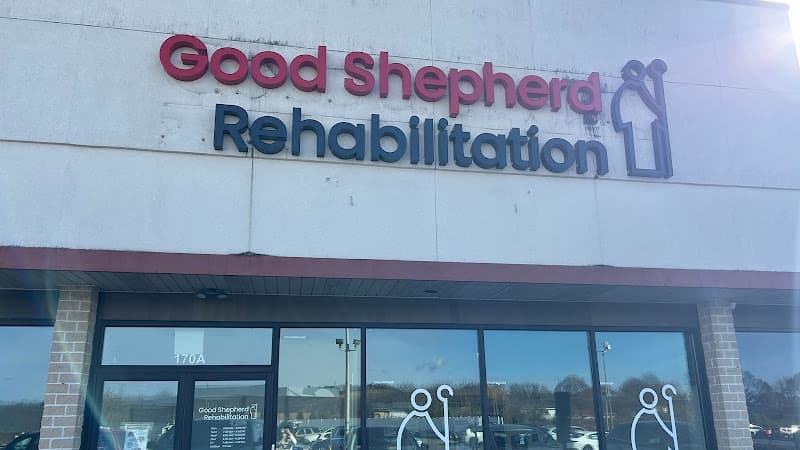
Good Shepherd Rehabilitation in Kutztown is an outpatient physical therapy clinic located at 15260 Kutztown Road, Suite 170, in Berks County, Pennsylvania. The site operates as part of the Good Shepherd Rehabilitation Network, a Lehigh Valley based rehabilitation organization with outpatient locations spread across eastern Pennsylvania. The Kutztown office serves patients recovering from orthopedic surgery, sports and work injuries, joint replacement, neurological conditions, and the kinds of chronic pain and mobility problems that build up gradually over years. Appointments can be scheduled by calling 610-683-5390.
Background
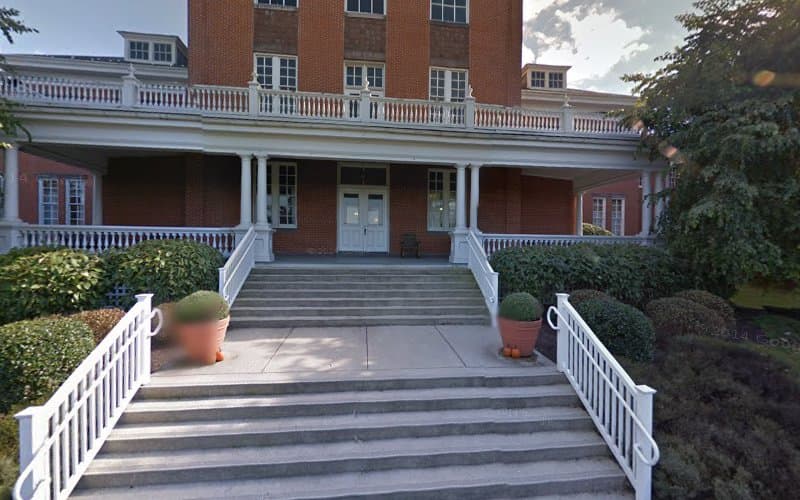
Good Shepherd traces its origins to 1908, when the Reverend John H. Raker and his wife Estella opened a home in Allentown for children and adults with disabilities. What began as a charitable residence grew over more than a century into one of the region's larger rehabilitation providers, adding inpatient hospital care, pediatric services, long term care, and eventually a broad network of outpatient physical, occupational, and speech therapy sites. The outpatient arm is how most people encounter the organization today, through neighborhood clinics like the one in Kutztown rather than through a hospital campus. In recent years Good Shepherd has become part of a larger regional health system, which has connected its rehabilitation services more directly with orthopedic, neurological, and surgical care across the Lehigh Valley and Berks County.
Services
The Kutztown clinic provides outpatient physical therapy for adults and adolescents, with treatment plans built after an individual evaluation rather than assigned from a standard template. Typical reasons patients come through the door include:
- Rehabilitation after total or partial joint replacement, including knee, hip, and shoulder
- Post surgical recovery following rotator cuff repair, labral repair, ACL reconstruction, spinal procedures, and fracture fixation
- Pre surgical conditioning, sometimes called prehabilitation, intended to improve strength and range of motion before an operation
- Treatment of shoulder conditions such as AC joint separations, impingement, frozen shoulder, and tendinopathy
- Back and neck pain, sciatica, and postural problems
- Sports injuries, overuse injuries, and return to activity progressions
- Balance and gait training, including work with patients at risk of falls
- Neurological rehabilitation for conditions affecting movement, coordination, and strength
- Work related injuries and functional conditioning aimed at returning to job duties
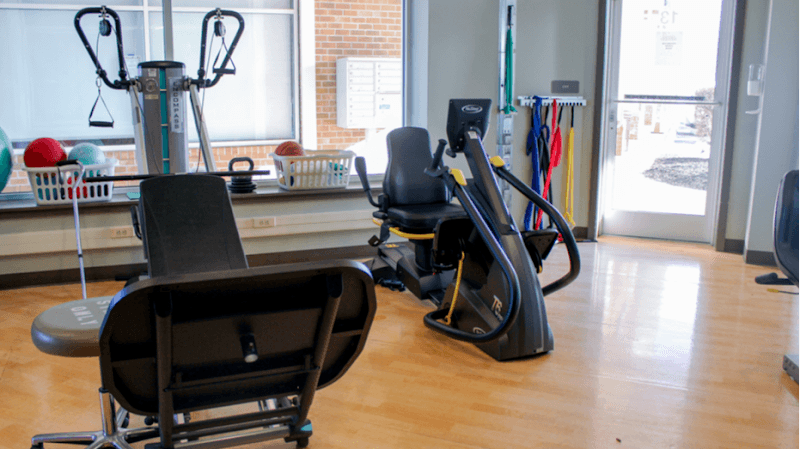
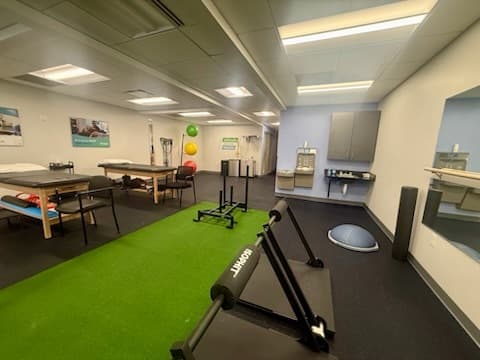
Treatment generally combines hands on manual therapy with therapeutic exercise on clinic equipment, along with modalities used as appropriate for pain and inflammation. Patients who are managing more than one problem at the same time, a common situation for people recovering from multiple surgeries or a combination of injuries, are often treated for those issues concurrently rather than sequentially.
Aquatic Therapy
One feature that distinguishes this location from many small outpatient practices is access to aquatic therapy. Water based treatment uses buoyancy to reduce the load on joints, which allows people to begin walking, squatting, and range of motion work earlier than they could on land. Warm water also tends to reduce guarding and muscle spasm. Aquatic therapy is frequently used for patients after joint replacement, for those with arthritis or significant weight bearing restrictions, and for people whose pain levels make conventional gym based exercise difficult in the early phases of recovery. At Kutztown, aquatic sessions are commonly paired with equipment based land therapy so that gains made in the pool transfer to everyday function.
Approach to Care
The clinical model here leans heavily on explanation. Therapists routinely walk patients through the reasoning behind each exercise, what tissue or movement pattern it targets, and how it fits into the overall recovery timeline. Home exercise programs are a standard part of treatment, with patients shown how to perform movements correctly before leaving and given guidance on progressing them between visits. The practical goal is that a patient finishes a course of therapy understanding how to maintain and continue their progress independently, which matters especially in long recoveries such as shoulder replacement, where meaningful improvement can continue for many months after discharge from formal therapy.
Communication with referring physicians and surgeons is part of the process as well. Because the clinic handles a steady volume of post surgical orthopedic cases, therapy protocols are coordinated with surgical timelines and weight bearing restrictions, and progress is reported back for follow up appointments.
Location and Service Area
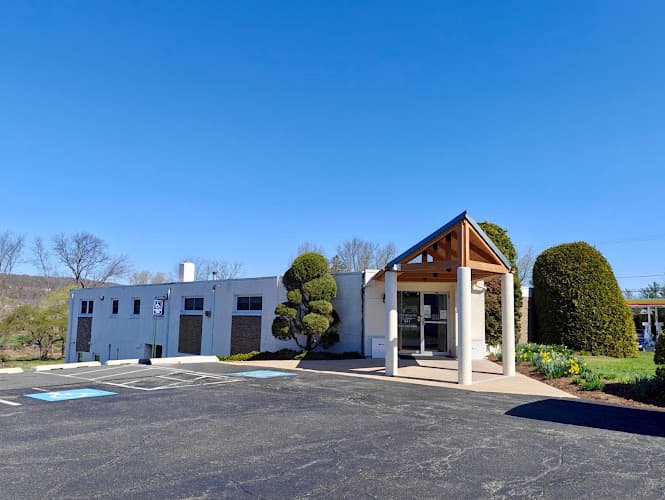
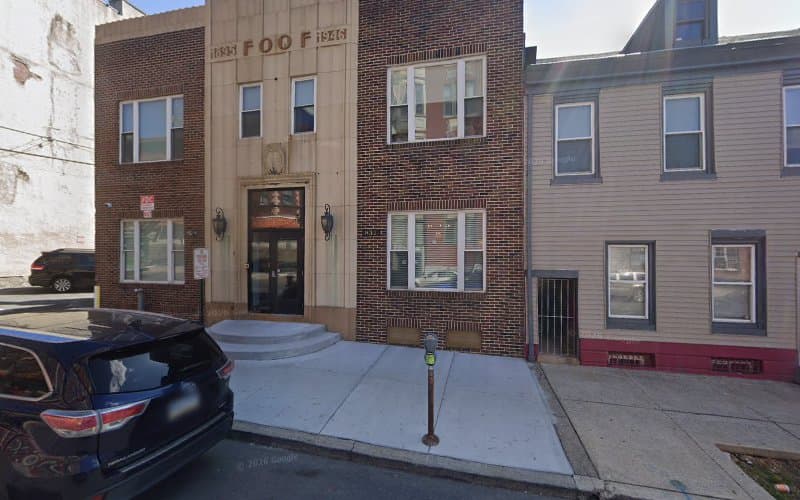
The clinic sits along Kutztown Road in a commercial plaza setting with on site parking, a practical consideration for patients arriving with crutches, walkers, braces, or post operative immobilizers. Kutztown occupies the corridor between Reading and Allentown, and the office draws patients from the borough itself as well as from Fleetwood, Topton, Maxatawny, Lyons, Bowers, Krumsville, Lenhartsville, Virginville, Bowers, and the surrounding townships of northeastern Berks County. Kutztown University students, faculty, and staff are within a short drive, as are residents of the Lehigh County communities just over the county line. For many people in this part of the county, the Kutztown office is the closest full service outpatient rehabilitation option, which spares patients the trip into Allentown or Reading multiple times a week during a long course of therapy.
Accessibility and Facility Information
- Wheelchair accessible entrance
- Wheelchair accessible parking lot
- Wheelchair accessible restroom
- Wheelchair accessible seating
- Identified as LGBTQ+ friendly
Because the practice treats a high proportion of patients with limited mobility, the physical accessibility of the building is more than a formality. Ground level access and adjacent parking make it possible for patients in the early stages of post operative recovery to reach the treatment area without navigating stairs or long distances.
Practical Information for New Patients
Prospective patients should ask about referral requirements, which can vary by insurance plan, and should have their insurance information available when scheduling. Pennsylvania allows direct access to physical therapy under certain conditions, though many insurers still prefer or require a physician referral for coverage. First visits typically involve a full evaluation, including history, measurements of strength and range of motion, functional testing, and discussion of goals, so patients should allow extra time and wear clothing that permits access to the area being treated. Those scheduled for aquatic therapy should ask in advance about swimwear, towels, and locker arrangements.
Front desk and scheduling staff handle appointment setting, insurance verification, and coordination of recurring visit times, which is useful for patients attending two or three sessions per week over an extended period. Questions about specific services available at the Kutztown site, therapist availability, or hours are best directed to the clinic by phone at 610-683-5390 or through the Good Shepherd Rehabilitation Network website.