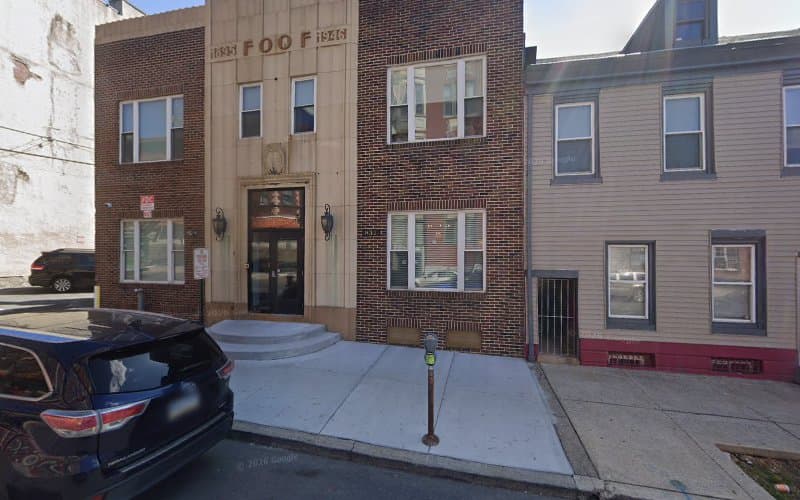
Ivy Rehab Physical Therapy operates an outpatient clinic at 516 E Lancaster Avenue, Suite A-15, in Shillington, Pennsylvania. The location serves Berks County residents from a retail corridor just southwest of Reading, placing it within a short drive of Shillington borough, Mohnton, Kenhorst, Wyomissing, West Reading, Sinking Spring and the surrounding townships. The clinic handles orthopedic and musculoskeletal rehabilitation on an outpatient basis, meaning patients travel to the site for scheduled treatment sessions rather than receiving care in a hospital or at home.
The Shillington office is part of Ivy Rehab Network, a group of outpatient physical therapy, occupational therapy and pediatric therapy clinics operating across more than a dozen states. Ivy Rehab began in the Northeast and has expanded largely by partnering with established local practices and clinicians, a model that keeps individual clinics small and locally staffed while giving them access to shared administrative, billing and continuing education resources. In practical terms, patients at the Shillington location typically work with the same therapist throughout their plan of care rather than rotating among providers.
Services and Clinical Focus
The clinic provides evaluation and treatment for a broad range of orthopedic and neuromuscular conditions. Care generally begins with an initial evaluation, during which the therapist reviews the patient's medical history, measures strength, range of motion, balance and functional movement, and identifies the mechanical sources contributing to symptoms. From that assessment, the therapist builds a plan of care with defined goals and a recommended visit frequency, which is periodically reassessed and adjusted.
Common reasons patients seek treatment at an outpatient clinic of this type include:
- Neck and shoulder pain, including rotator cuff injuries, impingement, frozen shoulder and postural strain
- Low back and mid back pain, sciatica, disc-related symptoms and sacroiliac dysfunction
- Knee and hip conditions such as patellofemoral pain, meniscus injuries, tendinopathy and arthritis-related stiffness
- Post-surgical rehabilitation following joint replacement, arthroscopy, ligament reconstruction or fracture fixation
- Fracture recovery and post-immobilization stiffness, including regaining range of motion after time in a cast or sling
- Ankle and foot problems, including sprains, plantar fasciitis and Achilles tendon issues
- Sports injuries and return-to-activity programs for runners, recreational athletes and student athletes
- Work-related injuries and repetitive strain conditions
- Balance deficits, gait abnormalities and general deconditioning
- Chronic pain and long-standing movement limitations that have not responded to prior care
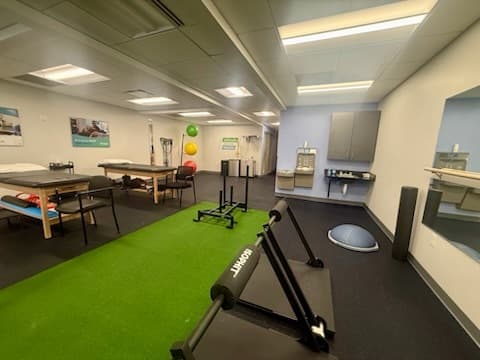
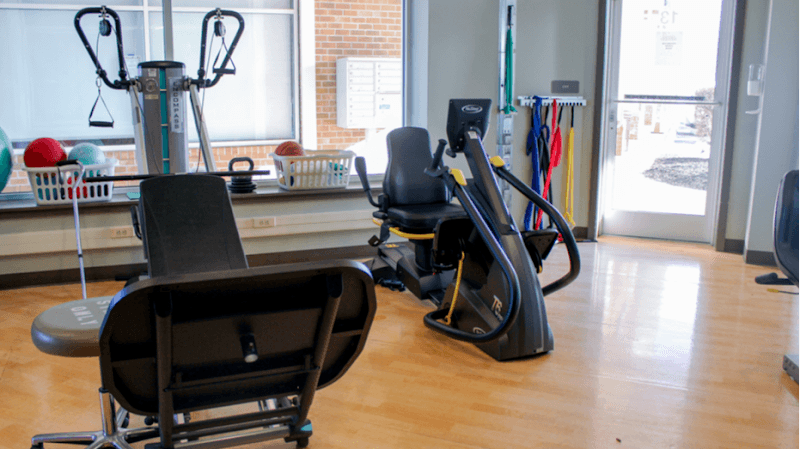
Treatment typically combines manual therapy with progressive therapeutic exercise. Manual techniques may include joint mobilization, soft tissue work, myofascial release and stretching performed by the therapist. Exercise programming addresses strength, mobility, endurance, motor control and, where relevant, sport-specific or job-specific mechanics. Clinics in this network also commonly use modalities such as therapeutic ultrasound, electrical stimulation, heat and cold, cupping or instrument-assisted soft tissue mobilization, taping and dry needling where the provider is trained and state rules allow. Patients are generally given a home exercise program so progress continues between visits, and therapists spend time on education: explaining what the diagnosis means, what activities to modify, and what recovery timelines are realistic.
Bilingual Care
The Shillington clinic offers therapy in both English and Spanish. Greater Reading has one of the largest Spanish-speaking populations in Pennsylvania, and the ability to conduct an evaluation, explain anatomy, coach exercise technique and discuss goals directly in a patient's first language removes a meaningful barrier to care. Spanish-speaking patients can complete the full course of treatment, from initial assessment through discharge instructions, without needing a family member or interpreter to relay clinical information.
Appointments, Insurance and Referrals
Appointments are required, and scheduling in advance is recommended. Patients can call the clinic at +1 484-331-3530 or request a visit through the Ivy Rehab website. New patients are usually asked to arrive a few minutes early for their first visit with a photo ID, insurance card, any physician referral or prescription, and relevant imaging reports or operative notes if surgery was involved.
Pennsylvania has direct access provisions that allow patients to begin physical therapy with a licensed direct access therapist without a physician referral for a defined period, though individual insurance plans may still require a referral for coverage. The front office can verify benefits, explain copay and deductible responsibilities, and clarify visit limits before treatment begins. Ivy Rehab clinics accept most major commercial insurance plans along with Medicare and, depending on the plan, Medicaid managed care products. Self-pay arrangements are also available. Debit and credit cards are accepted for payment.
The clinic works with patients to schedule around work shifts and other obligations, and staff handle appointment changes, reminders and insurance questions directly rather than routing everything through a distant call center.
Facility and Accessibility
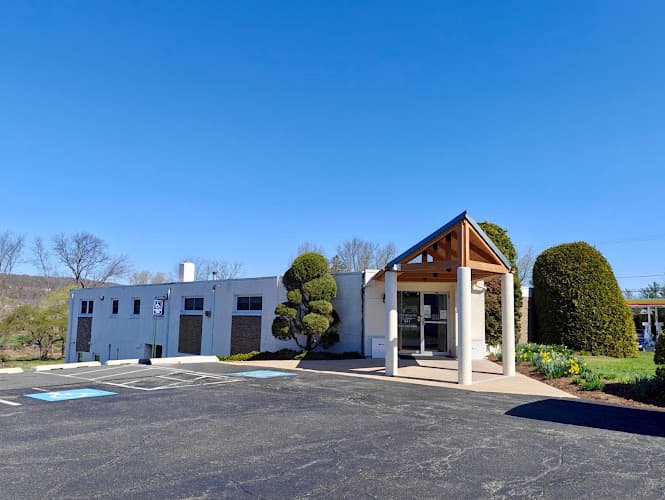
The clinic occupies a suite in a commercial plaza along East Lancaster Avenue with on-site parking. Accessibility features include a wheelchair accessible entrance, a wheelchair accessible restroom and wheelchair accessible parking. A restroom is available for patient use. Services are delivered on site at the Shillington suite.
Ivy Rehab identifies the location as LGBTQ+ friendly and a transgender safe space, reflecting an intake and treatment approach meant to be respectful of all patients.
What to Expect
A first visit generally runs longer than follow-up sessions because of the evaluation component. Patients should wear or bring loose, comfortable clothing that allows access to the area being treated: shorts for knee, hip or ankle issues, and a shirt that permits shoulder movement for upper body complaints. Supportive athletic shoes are useful for any session involving walking, balance or loaded exercise.
Follow-up visits typically involve a mix of hands-on treatment and supervised exercise, with the therapist adjusting resistance, range and complexity as tolerance improves. Frequency often starts at two or three visits per week and tapers as independence increases. Progress is tracked against objective measures such as degrees of motion, strength grades, pain ratings and functional tests, and formal reassessments are documented for the referring provider and the insurer.
Patients recovering from surgery usually follow protocols coordinated with their surgeon, with milestones tied to tissue healing timelines. Those managing chronic or long-standing conditions may work on a longer arc, focusing on load tolerance, movement retraining and sustainable self-management strategies they can continue after discharge.
Contact
- Address: 516 E Lancaster Ave, Suite A-15, Shillington, PA 19607
- Phone: +1 484-331-3530
- Service type: Outpatient physical therapy clinic, on-site services by appointment
- Payment: Debit cards, credit cards, most major insurance plans, self-pay options
- Languages: English and Spanish