Rm Kline Electric operates as an engineering firm based in Reading, Pennsylvania, serving the electrical engineering needs of the greater Berks County region. Located at 625 Spring St in Reading, the company functions within a sector that encompasses electrical system design, power distribution planning, and technical consulting services for residential, commercial, and industrial applications.
Location and Service Area
The business maintains its operations from Spring Street in Reading, a city with a rich industrial heritage in southeastern Pennsylvania. Reading, the county seat of Berks County, has historically been a center for manufacturing and industrial activity, creating sustained demand for electrical engineering expertise. The city's position along major transportation corridors and its proximity to the larger Philadelphia metropolitan area places Rm Kline Electric within reach of diverse client bases spanning urban, suburban, and rural communities throughout the region.
Berks County itself encompasses approximately 866 square miles and includes numerous municipalities, each with varying electrical infrastructure needs. From older buildings in downtown Reading that may require system upgrades to newer developments in surrounding townships, the geographic scope of potential projects in this area is considerable.
The Electrical Engineering Profession
Electrical engineering firms like Rm Kline Electric typically provide services that bridge the gap between conceptual electrical needs and practical implementation. This field encompasses several distinct areas of practice, each requiring specialized knowledge and technical proficiency.
Power systems engineering involves the design and analysis of electrical power generation, transmission, and distribution systems. Engineers in this specialty work on projects ranging from utility-scale power distribution to the electrical infrastructure within individual buildings. Their work ensures that electrical systems can handle required loads safely and efficiently while meeting applicable codes and standards.
Building electrical systems design represents another common focus area. This includes planning the placement and capacity of electrical panels, circuits, outlets, lighting systems, and specialized equipment connections. Engineers must account for current usage patterns while also anticipating future needs and potential system expansions.
Industrial electrical engineering addresses the particular requirements of manufacturing facilities, processing plants, and other industrial operations. These environments often involve high-voltage equipment, complex motor control systems, and specialized power quality requirements that demand careful engineering attention.
Regulatory Framework and Professional Standards
Electrical engineering work in Pennsylvania operates within a framework of state licensing requirements and national code standards. The Pennsylvania State Registration Board for Professional Engineers, Land Surveyors and Geologists oversees the licensing of engineers practicing in the commonwealth. Professional engineers must meet educational requirements, pass rigorous examinations, and maintain their credentials through continuing education.
The National Electrical Code, published by the National Fire Protection Association, provides the baseline standards for electrical installations throughout most of the United States. Pennsylvania municipalities typically adopt versions of this code, sometimes with local amendments, as part of their building regulations. Engineers must stay current with code revisions and understand how they apply to various project types.
Additionally, electrical engineering work often intersects with other regulatory requirements, including those from the Occupational Safety and Health Administration regarding workplace electrical safety, utility company interconnection standards, and environmental regulations affecting certain types of electrical equipment.
Facility Accessibility
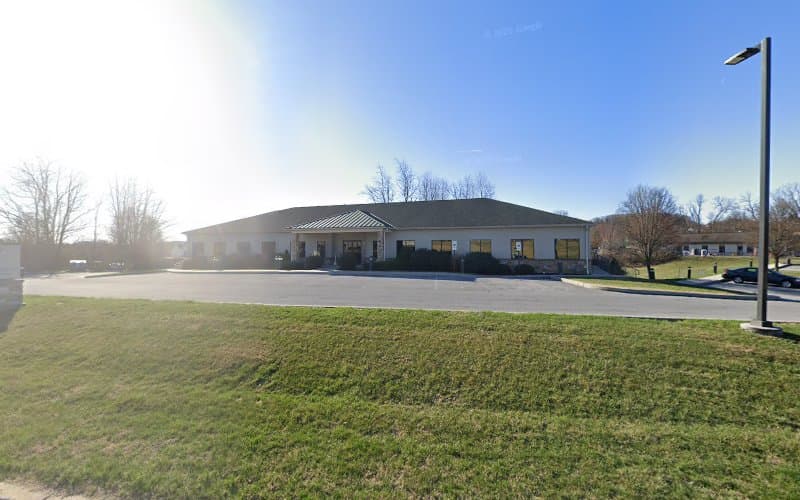
The Rm Kline Electric facility at 625 Spring St includes accessibility features for individuals with mobility limitations. The building provides a wheelchair accessible entrance, allowing clients and visitors who use wheelchairs or other mobility devices to enter the premises without barriers. The property also includes wheelchair accessible parking, ensuring that accessible parking spaces are available for those who require them.
These accessibility provisions reflect both compliance with the Americans with Disabilities Act requirements for places of public accommodation and a practical recognition that clients and business associates may have varying mobility needs. For an engineering firm that likely hosts client meetings and project consultations at its office location, accessible facilities ensure that all parties can participate in face-to-face discussions without physical impediments.
The Reading Industrial Context
Reading's economic history provides important context for understanding the role of electrical engineering services in the region. The city developed as a significant manufacturing center during the nineteenth and twentieth centuries, with industries including iron and steel production, textile manufacturing, and railroad operations. While many of these traditional industries have diminished, their legacy persists in the form of older industrial buildings, established infrastructure systems, and a workforce with manufacturing expertise.
Contemporary economic activity in the Reading area includes distribution and logistics operations, healthcare facilities, educational institutions, and a mix of light manufacturing and service businesses. Each of these sectors generates demand for electrical engineering services, whether for new construction projects, facility renovations, system upgrades, or troubleshooting existing installations.
The presence of older building stock throughout Reading and surrounding communities creates particular opportunities and challenges for electrical engineers. Many structures were built during eras with different electrical standards and lower power demands than contemporary uses require. Adapting these buildings for modern occupancy often necessitates careful engineering analysis to determine how existing systems can be upgraded or replaced while maintaining structural integrity and code compliance.
Contact Information
Rm Kline Electric can be reached by telephone at +1 610-374-1108. The 610 area code covers southeastern Pennsylvania, including Berks County and portions of surrounding counties, reflecting the firm's regional presence. Prospective clients seeking electrical engineering services for projects in the Reading area can use this contact number to inquire about service availability, project consultations, and related matters.
The physical location on Spring Street in Reading allows for in-person meetings and consultations. Given the technical nature of engineering work, face-to-face discussions often prove valuable for reviewing project plans, examining drawings and specifications, and ensuring clear communication between engineers and clients regarding project requirements and expectations.