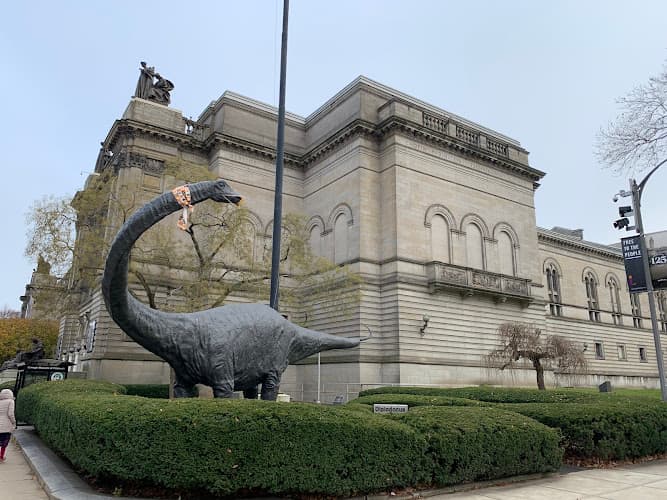
Carnegie Museum of Natural History
Carnegie Museum of Natural History in Pittsburgh offers engaging exhibits that showcase Earth's diverse natural heritage and scientific exploration.
What people love about Carnegie Museum of Natural History
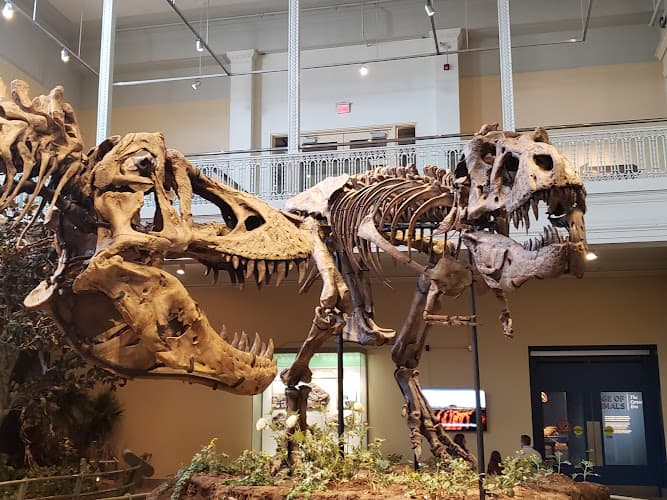
The T. Rex Holotype Specimen
This is a scientifically significant artifact that multiple visitors specifically call out as making the museum uniquely special—it's not just any T. rex, but THE original specimen that defined the species.
Native Peoples Wing (Hidden Gem)
A longtime visitor (60+ years) specifically identifies this as an overlooked treasure that most visitors miss, making it a true insider recommendation.
Discovery Basecamp for Children
This children's area is specifically mentioned as successfully engaging young visitors in a museum that otherwise has limited interactive exhibits for kids.
Nursing/Feeding Accommodations
A parent specifically highlights this thoughtful, well-designed amenity as superior to other cultural institutions, making the museum exceptionally family-friendly for visitors with infants.
Security Guard James
This staff member is called out by name for going above and beyond with personalized, warm interactions that enhanced the visitor experience.
Key Themes from Reviews of Carnegie Museum of Natural History
Dinosaur Exhibits
PositiveThe dinosaur exhibits are consistently praised as a major highlight, with visitors impressed by the extensive collection, impressive skeletons, and the historically significant T. rex holotype specimen.
Gem and Mineral Collection
PositiveVisitors frequently describe the gem and mineral exhibit as stunning, breathtaking, and one of the best collections they've encountered, often comparing it favorably to the Smithsonian.
Museum Size and Time Required
MixedWhile visitors appreciate the vast amount of content available, many note they couldn't see everything in one visit, which is both a positive (great value) and a challenge (requires significant time commitment).
Staff Friendliness and Helpfulness
PositiveVisitors consistently praise museum staff for being friendly, knowledgeable, willing to answer questions, and helpful in navigating the large museum.
About Carnegie Museum of Natural History
Overview
The Carnegie Museum of Natural History occupies a prominent position within Pittsburgh's Oakland neighborhood, sharing a building complex with the Carnegie Museum of Art at 4400 Forbes Avenue. Founded by industrialist and philanthropist Andrew Carnegie in 1896, the institution has grown into one of the largest natural history museums in the United States, housing more than 22 million specimens and artifacts across its extensive galleries. The museum serves as both a public educational institution and an active research facility, with scientists on staff conducting ongoing work in paleontology, anthropology, and other natural sciences.
The museum's founding coincided with Pittsburgh's rise as an industrial powerhouse, and Carnegie's vision was to create an institution that would bring scientific knowledge and cultural enrichment to the working people of the city. This mission continues today, with the museum functioning as a major educational resource for schools, families, and researchers throughout the region.
Collections and Permanent Exhibitions
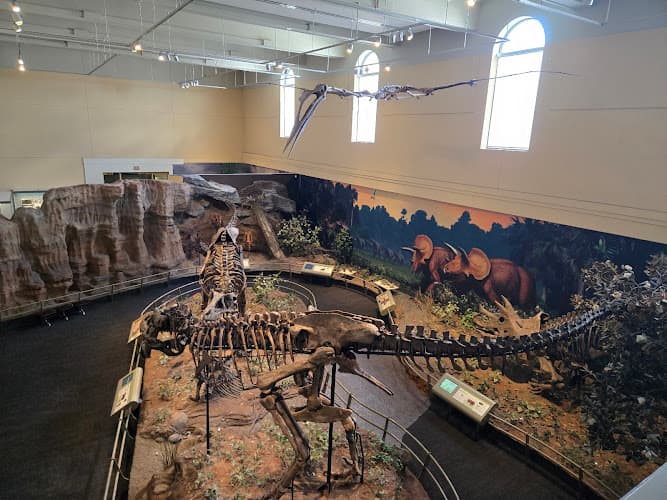
The Carnegie Museum of Natural History maintains one of the most significant paleontological collections in the world. The museum's dinosaur hall features numerous complete and partial skeletons, including specimens that hold particular scientific importance. The institution's paleontology department has been active since the late 19th century, when Andrew Carnegie funded expeditions to the American West that yielded many of the specimens still on display today. These early collecting efforts established the museum's reputation in vertebrate paleontology, a field in which it remains influential.
Beyond paleontology, the museum houses extensive collections spanning multiple scientific disciplines. The mineralogy and geology section contains thousands of specimens, including rare minerals, gems, and geological formations from around the world. The collection represents decades of acquisition and includes pieces notable for both their scientific value and their aesthetic qualities.
The anthropology collections document human cultures from across the globe, with particular strengths in the archaeology and ethnography of the Americas. A dedicated wing focuses on Native American peoples, presenting artifacts, artworks, and cultural materials that span thousands of years of history. This section of the museum offers detailed examinations of indigenous cultures from various regions of North and South America.
Natural history dioramas throughout the museum present wildlife in recreated habitat settings, a display technique that was innovative when the museum first employed it and remains an effective educational tool. These exhibits feature taxidermied specimens of animals from diverse ecosystems, providing visitors with detailed views of species they might never encounter in the wild.
Research and Scientific Work
The Carnegie Museum of Natural History functions as more than a public exhibition space. The institution employs research scientists who conduct fieldwork, publish scholarly papers, and contribute to ongoing scientific understanding in their respective disciplines. The museum's collections serve as a resource for researchers from around the world, who visit to study specimens or request loans for their own investigations.
The paleontology department has been particularly active throughout the museum's history, with staff scientists participating in fossil excavations on multiple continents. Specimens collected during these expeditions continue to enter the museum's holdings, ensuring that the collections grow and remain scientifically relevant. The museum also maintains research facilities for specimen preparation, conservation, and study.
Educational Programs and Visitor Services
The museum offers guided tours that provide structured introductions to the collections and deeper engagement with specific topics. These tours are led by staff members who can address questions and provide context that enhances the self-guided experience. Tour availability and topics vary, so visitors interested in guided experiences should inquire about current offerings.
For younger visitors, the museum includes interactive areas designed to engage children with scientific concepts through hands-on activities. These spaces provide opportunities for exploration and discovery that complement the more traditional exhibit galleries. The museum has developed programming specifically aimed at making natural history accessible and interesting to children of various ages.
School groups represent a significant portion of the museum's visitors, and the institution has developed curriculum-aligned programs for students from elementary through high school levels. These educational initiatives connect classroom learning with the museum's collections, allowing students to encounter primary sources and authentic specimens.
Facilities and Amenities
The museum complex includes multiple dining options, with both a cafe and a restaurant available to visitors. These facilities allow guests to spend extended periods at the museum without needing to leave for meals, which is particularly useful given the scope of the collections.
A gift shop offers merchandise related to the museum's collections, including books, educational materials, and souvenirs. The shop provides an opportunity for visitors to take home items connected to their museum experience.
The facility maintains accessibility features including wheelchair accessible entrances, restrooms, and parking areas. Wi-Fi is available throughout the building, and restroom facilities are located on multiple floors.
Parking is available on-site through paid lots and a parking garage. Street parking in the surrounding Oakland neighborhood is also metered. Visitors should be aware that parking costs are separate from museum admission and should plan accordingly.
Visitor Information
The Carnegie Museum of Natural History is located in Pittsburgh's Oakland neighborhood, an area that also contains the University of Pittsburgh, Carnegie Mellon University, and other cultural institutions. The museum shares its building with the Carnegie Museum of Art, and combined tickets are available for visitors who wish to explore both institutions.
The museum offers discounted admission for active military personnel. Given the extensive nature of the collections, visitors should allocate substantial time for their visit. The galleries span multiple floors and cover considerable walking distance, making comfortable footwear advisable.
The institution is family-oriented, with amenities designed to accommodate visitors with young children. Nursing and feeding accommodations are available, and the interactive children's areas provide age-appropriate engagement with scientific topics.
As with many large museums, certain galleries may occasionally be closed for renovation or reinstallation. Visitors with specific interests should check current gallery availability before their visit to ensure access to desired exhibits. The museum's website at carnegiemnh.org provides current information about hours, admission, and special exhibitions.
Contact information for general inquiries is available at +1 412-622-3131. The museum staff can provide information about current exhibitions, programs, and visitor services.
Unique Details About Carnegie Museum of Natural History
Crowd
- Family-friendly
Parking
- On-site parking
- Paid parking lot
- Paid parking garage
- Paid street parking
Children
- Good for kids
Amenities
- Cafe
- Wi-Fi
- Restroom
- Restaurant
- Offers tours
Offerings
- Gift shop
Highlights
- Live performances
- Active military discounts
Accessibility
- Wheelchair accessible entrance
- Wheelchair accessible restroom
- Wheelchair accessible parking lot
Service options
- Onsite services
Contact Information for Carnegie Museum of Natural History
Pittsburgh, PA 15213
United States of America
County: Allegheny County
Phone: +1 412-622-3131
Website: Visit Website
Customer Reviews
4.8 out of 5 stars
Based on 4378 reviews
Review data
5 star reviews
- 83%
4 star reviews
- 13%
3 star reviews
- 2%
2 star reviews
- 1%
1 star reviews
- 1%
Working Hours / Hours of Operation
- Monday:
- 10AM-5PM
- Tuesday:
- Closed
- Wednesday:
- 10AM-5PM
- Thursday:
- 10AM-8PM
- Friday:
- 10AM-5PM
- Saturday:
- 10AM-5PM
- Sunday:
- 10AM-5PM
Location Map
Similar Museums Near Pittsburgh, PA

BerksConnect: everything local in Berks County, PA.
8,700+ local businesses with AI-summarized reviews, plus local guides, jobs, and what's happening around the county.