Carnegie Museums of Pittsburgh
Carnegie Museums of Pittsburgh in Pennsylvania offers engaging exhibits and educational experiences through its diverse and acclaimed collections.
What people love about Carnegie Museums of Pittsburgh
The On-Site Coffee Shop
This amenity receives specific, enthusiastic praise as an added bonus to the museum experience, suggesting it exceeds typical museum café expectations.
Dinosaur Fossil Exhibits
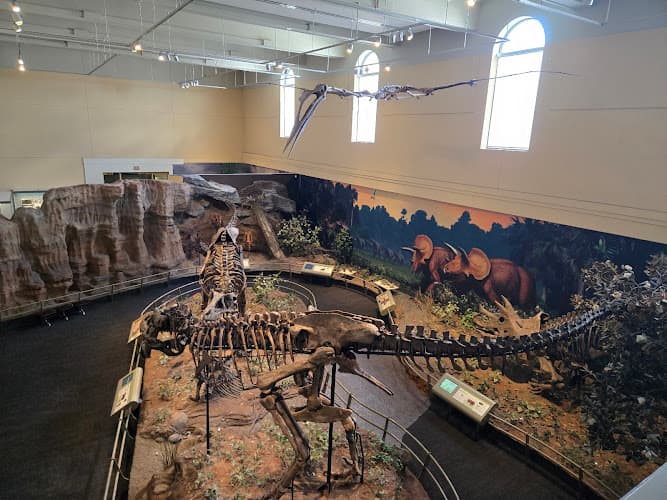
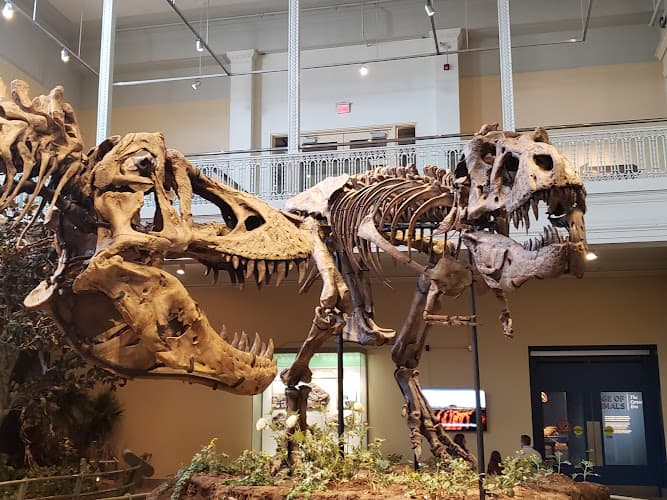
The dinosaur fossils are specifically called out as a memorable highlight, with the descriptor "towering" suggesting they make a strong visual impression on visitors.
Convenient Oakland Location
The museum's location in the Oakland neighborhood near other cultural and educational institutions is noted as a positive, making it accessible and part of a broader cultural district experience.
Family-Friendly Amenities
The museum is recognized for accommodating both adults and children with appropriate amenities, making it suitable for family outings.
Key Themes from Reviews of Carnegie Museums of Pittsburgh
Exhibit Quality & Variety
PositiveCustomers consistently praise the museum for offering diverse, high-quality exhibits spanning both permanent collections and rotating temporary displays.
Combined Museum Experience (Art + Natural History)
PositiveVisitors appreciate the unique value of accessing both natural history and art collections with a single admission, though they note it requires significant time to explore fully.
Scale & Depth of Collections
PositiveCustomers are impressed by the extensive and impressive scope of the collections, describing them as "astounding" and "world-class."
Repeat Visit Value / Discoverability
PositiveVisitors highlight strong repeat-visit value, noting they continue to discover new things even after multiple visits over many years.
Time Investment Required
MixedWhile customers acknowledge the museum requires significant time commitment, they generally view this positively as evidence of the museum's depth rather than a drawback.
About Carnegie Museums of Pittsburgh
Overview
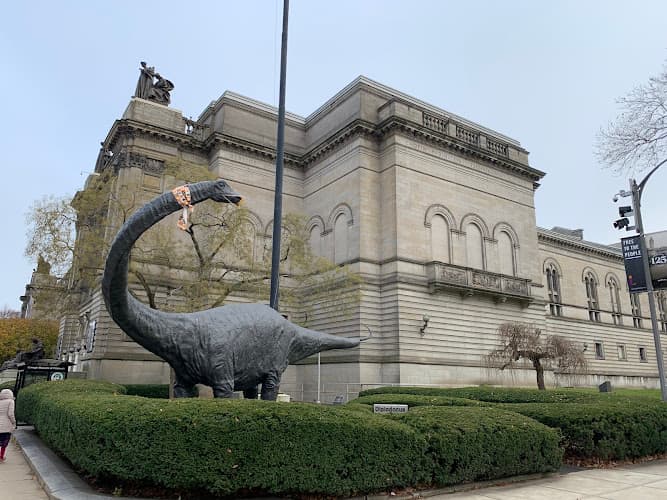
Carnegie Museums of Pittsburgh represents one of the largest cultural institutions in the United States, operating four distinct museums across the Pittsburgh metropolitan area. The organization's flagship campus at 4400 Forbes Avenue in the Oakland neighborhood houses two of its major institutions under a single roof: the Carnegie Museum of Natural History and the Carnegie Museum of Art. This combined facility allows visitors to explore both natural science and fine art collections within one building, a configuration that distinguishes it from most museum complexes where such institutions occupy separate structures.
The organization also operates the Carnegie Science Center on the North Shore and The Andy Warhol Museum in the North Side neighborhood, though the Forbes Avenue location serves as the historic center of the Carnegie museum system. Together, these four institutions attract visitors from across the region and beyond, functioning as a cornerstone of Pittsburgh's cultural landscape.
Historical Background
The Carnegie Museums trace their origins to industrialist and philanthropist Andrew Carnegie, who founded the original Carnegie Institute in 1895. Carnegie, who had made his fortune in the steel industry, believed strongly in providing educational and cultural resources to the public. The Forbes Avenue building opened in 1895 and has undergone multiple expansions over the following century to accommodate growing collections and increased visitation.
The Carnegie Museum of Natural History was among the first museums in the United States to send scientific expeditions around the world to collect specimens, establishing research programs that continue to this day. The museum's paleontology department gained particular renown for its dinosaur excavations in the American West during the late 19th and early 20th centuries, contributing significantly to scientific understanding of prehistoric life.
The Carnegie Museum of Art, originally called the Carnegie Institute's Department of Fine Arts, was established with a forward-looking mission. Andrew Carnegie directed that the museum should collect "the old masters of tomorrow," focusing on contemporary art of each era rather than exclusively acquiring historical works. This philosophy shaped an acquisition strategy that has resulted in significant holdings of Impressionist, Post-Impressionist, and modern American art.
Collections and Exhibitions
The Carnegie Museum of Natural History maintains extensive collections spanning paleontology, anthropology, botany, entomology, geology, and zoology. The museum houses more than 22 million specimens and objects, making it one of the largest natural history collections in North America. Permanent exhibition halls cover topics including dinosaurs, minerals, Egyptian artifacts, and North American wildlife habitats.
The dinosaur collection remains one of the museum's signature attractions. The Dinosaurs in Their Time exhibition presents fossil specimens in chronological and environmental context, displaying mounted skeletons alongside reconstructions of the ecosystems in which these creatures lived. The collection includes specimens from the museum's own historic expeditions as well as more recent acquisitions.
The Carnegie Museum of Art holds approximately 35,000 objects spanning painting, sculpture, decorative arts, photography, and works on paper. The collection includes significant European and American paintings from the 19th century forward, with particular strength in French Impressionism and American art from the Gilded Age through the present. The Hall of Architecture contains one of the largest collections of plaster casts of architectural elements in the United States, featuring reproductions of doorways, columns, and facades from buildings across Europe and the Middle East.
Both museums maintain active programs of temporary exhibitions, rotating displays that complement the permanent collections. These temporary shows range from traveling exhibitions organized by other institutions to presentations developed in-house from the museums' own holdings.
Research and Scientific Programs
Beyond its public exhibitions, the Carnegie Museum of Natural History functions as an active research institution. Museum scientists conduct fieldwork and laboratory research in areas including vertebrate paleontology, invertebrate zoology, botany, and anthropology. The museum's research collections, much larger than what can be displayed publicly, serve scholars from institutions worldwide.
The Powdermill Nature Reserve, operated by the museum, encompasses more than 2,000 acres in Westmoreland County and serves as a biological field station. Researchers at Powdermill conduct long-term studies of bird migration, forest ecology, and wildlife populations, contributing data to regional and national monitoring programs.
Visitor Facilities and Amenities
The Forbes Avenue campus provides comprehensive visitor amenities across both museum sections. Food service options include a café and restaurant facilities, offering dining choices for visitors spending extended time exploring the collections. A gift shop stocks merchandise related to museum exhibitions and collections, including books, educational materials, and items for children.
The facility maintains accessibility throughout, with wheelchair-accessible entrances and restrooms available. Given the substantial size of the combined museum complex, visitors should anticipate needing several hours to explore both the natural history and art sections thoroughly. Those with limited time may choose to focus on one museum or specific exhibition areas rather than attempting comprehensive coverage in a single visit.
Guided tours are offered for visitors seeking structured introductions to the collections. Advance ticket purchase is recommended, particularly during peak visitation periods such as weekends, school holidays, and when popular temporary exhibitions are on display.
Location and Access
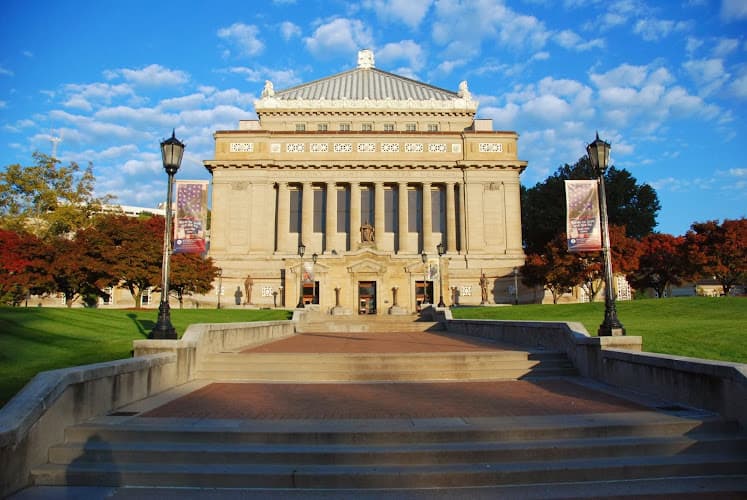
The museum occupies a prominent position in Pittsburgh's Oakland neighborhood, an area characterized by educational and cultural institutions. Carnegie Mellon University and the University of Pittsburgh both maintain their main campuses in Oakland, creating a concentration of academic and cultural resources within walking distance. The Carnegie Library of Pittsburgh's main branch adjoins the museum building, sharing architectural elements from the original Carnegie Institute construction.
Oakland's position approximately three miles east of downtown Pittsburgh makes it accessible via multiple transit routes and major roadways. The neighborhood's density of cultural attractions allows visitors to combine museum visits with other activities in the area.
Family Visitation
The museums accommodate visitors of all ages, with particular attention to programming and exhibits suitable for children. The natural history museum's dinosaur halls and wildlife dioramas tend to engage younger visitors, while interactive elements throughout both museums provide hands-on learning opportunities. Restaurant and café facilities offer options appropriate for families, and restroom facilities are distributed throughout the building.
Educational programs for school groups and families operate throughout the year, including summer camps, workshops, and special events tied to exhibition themes. These programs extend the museum's educational mission beyond passive viewing of collections into active learning experiences.
Membership and Support
Carnegie Museums of Pittsburgh operates as a nonprofit organization, relying on a combination of admission revenue, membership fees, donations, and grants to support operations and programming. Membership provides benefits including unlimited general admission to all four Carnegie museums, discounts on special exhibitions and programs, and reciprocal admission privileges at museums in other cities.
The organization's scope and longevity reflect both Andrew Carnegie's original philanthropic vision and subsequent generations of community support. As one of Pittsburgh's defining cultural institutions, the museums continue to serve educational and enrichment functions for regional residents while attracting visitors from across the country and internationally.
Unique Details About Carnegie Museums of Pittsburgh
Children
- Good for kids
Planning
- Getting tickets in advance recommended
Amenities
- Cafe
- Restroom
- Restaurant
- Offers tours
Offerings
- Gift shop
Accessibility
- Wheelchair accessible entrance
- Wheelchair accessible restroom
Service options
- Onsite services
Contact Information for Carnegie Museums of Pittsburgh
Pittsburgh, PA 15213
United States of America
County: Allegheny County
Phone: +1 412-622-3131
Website: Visit Website
Customer Reviews
4.9 out of 5 stars
Based on 11 reviews
Review data
5 star reviews
- 91%
4 star reviews
- 9%
3 star reviews
- 0%
2 star reviews
- 0%
1 star reviews
- 0%
Working Hours / Hours of Operation
- Monday:
- 10AM-5PM
- Tuesday:
- Closed
- Wednesday:
- 10AM-5PM
- Thursday:
- 10AM-5PM
- Friday:
- 10AM-5PM
- Saturday:
- 10AM-5PM
- Sunday:
- 10AM-5PM
Location Map
Similar Museums Near Pittsburgh, PA
BerksConnect: everything local in Berks County, PA.
8,700+ local businesses with AI-summarized reviews, plus local guides, jobs, and what's happening around the county.