Randyland
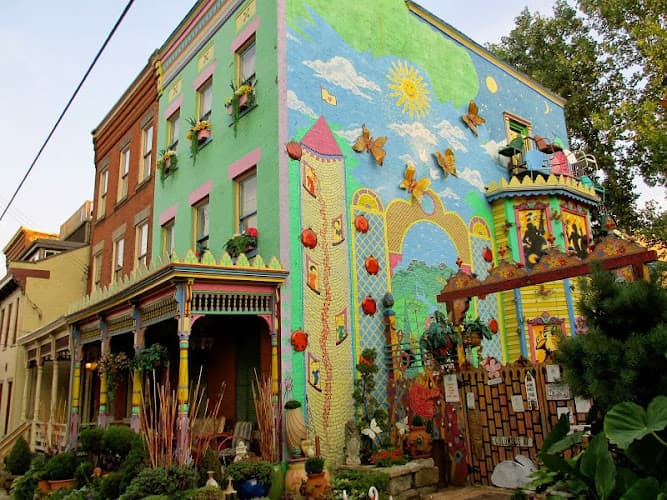
Randyland in Pittsburgh is a vibrant art museum known for its colorful and eclectic outdoor installations and exhibits.
What people love about Randyland
Personal Interactions with Randy Himself
Randy's personal presence and willingness to engage with visitors—sharing stories, greeting guests, and offering autographs—is mentioned with particular enthusiasm across numerous reviews, transforming a simple art visit into a memorable personal encounter.
Children's Toy/Play Area
This specific interactive element for children stands out as a unique feature that extends visit time and makes Randyland particularly family-friendly.
Photo Opportunity Paradise
Multiple reviewers specifically call out the exceptional photo opportunities, with the colorful, eclectic backdrop providing memorable images that visitors clearly value.
Inspirational Messages & Positive Quotes Throughout
Beyond the visual art, visitors note the thoughtful, uplifting written messages scattered throughout the space add an extra layer of meaning and positivity to the experience.
Key Themes from Reviews of Randyland
Vibrant Colors & Visual Experience
PositiveCustomers are overwhelmingly impressed by the explosion of bright, stimulating colors throughout Randyland, describing it as visually striking and mood-lifting.
Free Admission & Honor System
PositiveVisitors consistently highlight and appreciate that Randyland offers free admission with optional donations and operates merchandise sales on an honor system, which they find refreshing and trustworthy.
Found Object/Repurposed Art
PositiveCustomers are inspired by how Randy transforms discarded objects and "junk" into creative, meaningful art that provokes thought about value and reuse.
Emotional Impact & Positive Atmosphere
PositiveVisitors describe Randyland as a joyful, uplifting space that leaves them feeling happy, inspired, and more positive after their visit.
Meeting Randy (The Artist/Owner)
PositiveMany visitors consider meeting Randy himself a highlight, describing him as friendly, inspiring, talkative, and a genuinely kind person who enhances the experience.
Visit Duration & Scope
MixedWhile most visitors find the compact size manageable (spending 20-30 minutes), some note it's smaller than expected, though the density of art allows for longer exploration if desired.
Unique/Must-See Pittsburgh Attraction
PositiveReviewers consistently position Randyland as a one-of-a-kind, essential Pittsburgh destination that offers an experience unavailable anywhere else.
About Randyland
Overview
Randyland is an outdoor art installation and museum located at 1501 Arch Street in the Central Northside neighborhood of Pittsburgh, Pennsylvania. Created and maintained by artist Randy Gilson, the property occupies a residential lot that has been transformed over several decades into a densely decorated public art space. The site operates on a free admission model, with visitors encouraged to leave voluntary donations. Randyland functions as both a living artwork and a community gathering space, drawing tourists and local residents alike to experience its distinctive visual environment.
History and Development
Randy Gilson began transforming his property in the 1990s, gradually covering the exterior walls, fences, and yard with an accumulating collection of painted surfaces, found objects, and sculptural assemblages. The project emerged organically rather than from a formal artistic plan, with Gilson adding new elements continuously over the years. What started as personal expression on a single residential property evolved into one of Pittsburgh's most recognizable folk art environments.
The Central Northside neighborhood where Randyland is situated was historically known as Mexican War Streets, a residential district dating to the mid-19th century. The area experienced periods of decline before undergoing revitalization in recent decades. Gilson's ongoing project predates much of this renewal and has become intertwined with the neighborhood's identity as a destination for arts and culture. The property stands as an example of grassroots placemaking, where individual artistic vision transforms urban space without institutional backing or formal planning.
The Art and Environment
Randyland's visual character is defined by an abundance of bright colors, predominantly yellows, blues, reds, and greens applied across virtually every available surface. The property includes the exterior of the house, surrounding walls, fences, garden areas, and various structural additions that Gilson has constructed over time. The effect is one of total environmental transformation, where standard residential architecture becomes a canvas for continuous artistic intervention.
A significant portion of the artwork incorporates salvaged and discarded materials. Gilson collects objects that would otherwise be destined for landfills and integrates them into the overall composition. This includes toys, mannequin parts, signage, household items, and various manufactured goods that take on new meaning when arranged within the larger artistic context. The practice reflects both an ecological sensibility about reuse and a philosophical perspective on finding value in overlooked or abandoned things.
Written messages appear throughout the space, painted on walls and incorporated into sculptural elements. These texts tend toward affirmational and philosophical content, contributing to the site's atmosphere of positivity and encouragement. The combination of visual art and written word creates a multimedia experience that engages visitors on multiple levels.
The property includes garden areas with plantings integrated into the artistic environment. These living elements add seasonal variation to the otherwise permanent installations and contribute to the sense of Randyland as an organic, evolving space rather than a static museum display.
Visiting Randyland
Randyland operates as a walk-through outdoor exhibition that visitors can explore at their own pace. The property is compact, with the primary experience taking place in the front yard and along the exterior walls of the house. While the physical footprint is limited, the density of visual information means that attentive visitors can spend extended periods examining details and discovering elements they initially overlooked.
The site offers tours for those seeking more structured engagement with the art and its history. These tours provide context about Gilson's artistic process, the meaning behind specific pieces, and the development of the property over time. Live performances occasionally take place at Randyland, adding a temporal arts component to the primarily visual installation.
A gift shop operates on the premises, offering merchandise related to Randyland and Gilson's work. Consistent with the overall ethos of the site, sales operate on an honor system where visitors select items and leave payment without direct transaction oversight. This approach reflects the trust-based relationship between Randyland and its visitors that characterizes the entire operation.
A cafe is available on site, though the property does not include a full restaurant. Restroom facilities are not available to visitors, which is worth noting for those planning their visit, particularly families with children. The surrounding neighborhood offers various dining and amenity options within walking distance.
Family Accessibility
Randyland is considered appropriate and engaging for children, with the bright colors and whimsical objects appealing to young visitors. The site includes areas with toys and interactive elements where children can play, extending the experience beyond passive observation. The outdoor nature of the space allows children freedom of movement, and the visual stimulation tends to capture and hold young attention.
The free admission model makes Randyland particularly accessible for families, removing financial barriers that might otherwise limit visits. The relatively compact size also suits the attention spans of younger children, who can experience the full site without the fatigue that larger museums sometimes induce.
The Artist's Presence
Randy Gilson lives on the property and frequently interacts with visitors. Unlike most museum experiences where artists are absent from the exhibition space, Randyland offers the possibility of meeting its creator during a visit. Gilson is known for engaging in conversation with guests, sharing stories about his work and life, and generally maintaining an accessible, welcoming presence. This direct connection between artist and audience distinguishes Randyland from conventional art institutions and contributes to its character as a personal rather than institutional space.
Location and Access
The address at 1501 Arch Street places Randyland in Pittsburgh's Central Northside, across the Allegheny River from downtown. The neighborhood features 19th-century row houses and is known for its historic architecture and arts community. Street parking is available in the surrounding residential area, and the site is accessible via Pittsburgh's public transportation system.
The Central Northside location positions Randyland within reach of other Pittsburgh attractions, including the nearby Mattress Factory contemporary art museum and the National Aviary. Visitors often combine a stop at Randyland with exploration of the broader neighborhood and its architectural heritage.
Cultural Significance
Randyland represents a form of folk art environment, a category that includes sites across the United States where individual artists transform properties into total artistic expressions. These environments often develop over decades, reflecting the sustained vision and labor of their creators. Such sites exist outside the mainstream art world, created without formal training or institutional support, yet they attract significant public interest and have gained recognition as legitimate cultural contributions.
Within Pittsburgh specifically, Randyland has become a recognized landmark and a frequent subject of local media coverage, tourism promotion, and social media sharing. The site appears regularly on lists of distinctive Pittsburgh attractions and has contributed to the city's reputation for supporting unconventional artistic expression. For many visitors, Randyland serves as an introduction to the broader category of folk art environments and outsider art.
Unique Details About Randyland
Children
- Good for kids
Amenities
- Cafe
- Offers tours
Offerings
- Gift shop
Highlights
- Live performances
Service options
- Onsite services
Contact Information for Randyland
Pittsburgh, PA 15212
United States of America
County: Allegheny County
Phone: +1 412-342-8152
Customer Reviews
4.7 out of 5 stars
Based on 3403 reviews
Review data
5 star reviews
- 78%
4 star reviews
- 15%
3 star reviews
- 4%
2 star reviews
- 1%
1 star reviews
- 2%
Working Hours / Hours of Operation
- Monday:
- 10AM-9PM
- Tuesday:
- 10AM-9PM
- Wednesday:
- 10AM-9PM
- Thursday:
- 10AM-9PM
- Friday:
- 10AM-9PM
- Saturday:
- 10AM-9PM
- Sunday:
- 12-9PM
Location Map
Similar Museums Near Pittsburgh, PA
BerksConnect: everything local in Berks County, PA.
8,700+ local businesses with AI-summarized reviews, plus local guides, jobs, and what's happening around the county.