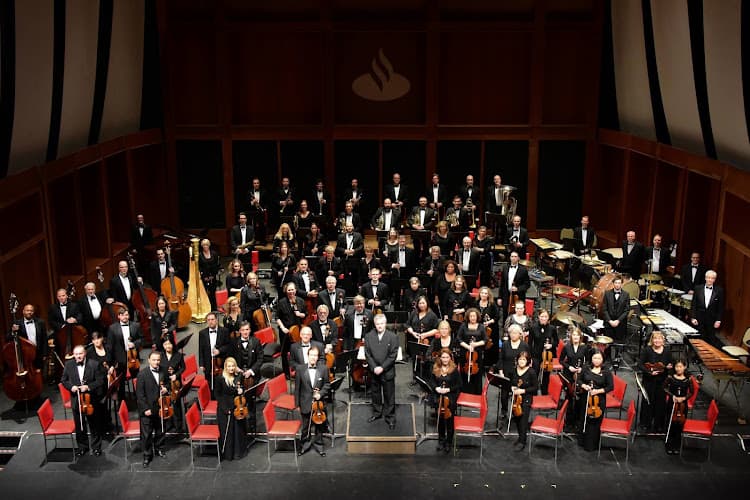
The Reading Symphony Orchestra is a professional symphony orchestra and registered non-profit organization based in downtown Reading, Pennsylvania. Its administrative offices are located at 100 N 5th St, Reading, PA 19601, within walking distance of the theaters, restaurants and parking garages of the city center. The organization presents a season of orchestral concerts each year, maintains a youth orchestra program for student musicians from Berks County and the surrounding region, and carries out education and community engagement work tied to its concert calendar. The main office and box office line is +1 610-373-7557.
As a non-profit, the orchestra operates under a board of directors and relies on a combination of ticket income, individual and corporate giving, grants and endowment support. Its musicians are drawn from the professional pool of players working across eastern Pennsylvania, including instrumentalists who also perform with other regional ensembles and who teach at colleges, conservatories and private studios throughout the area.
History and background
Orchestral music has a long history in Reading, and the Reading Symphony Orchestra is among the older continuously operating orchestras in the United States, with roots reaching back to the early twentieth century. Over the decades it grew from a community ensemble into a fully professional organization with a regular subscription season, guest soloists of national and international standing, and a succession of music directors who have shaped its repertoire and sound. The orchestra has performed in several of Reading's historic halls and has long been connected to the restored theaters that anchor the downtown arts district.
Programming across the orchestra's history has balanced core symphonic repertoire with newer works, choral collaborations and concerts built around visiting artists. The ensemble has also taken part in civic occasions, holiday programs and special events that bring orchestral music to audiences who may not attend a standard classical concert.
Concerts and programming
A typical Reading Symphony Orchestra season includes a series of full orchestral concerts, generally performed on weekend evenings, along with additional special events scheduled through the year. Programs are organized around a mix of elements that will be familiar to regular concertgoers:
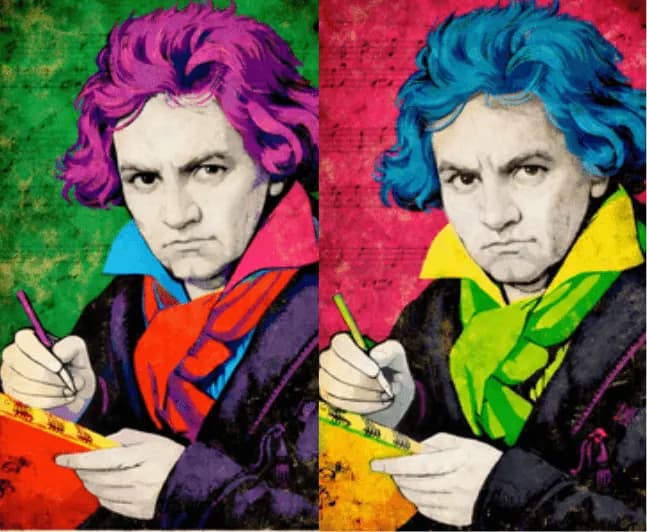
- Standard symphonic repertoire from the Classical and Romantic periods, including symphonies, concertos and overtures by composers such as Beethoven, Brahms, Tchaikovsky, Dvorak and Mozart
- Baroque works and chamber-scaled programs that feature smaller forces and solo string playing
- Twentieth century and contemporary pieces, sometimes paired with more familiar works on the same program
- Concerts with guest soloists, including pianists, violinists, cellists and vocalists
- Choral and collaborative programs with regional choirs and other arts organizations
- Holiday and seasonal concerts, including year-end and New Year's programming
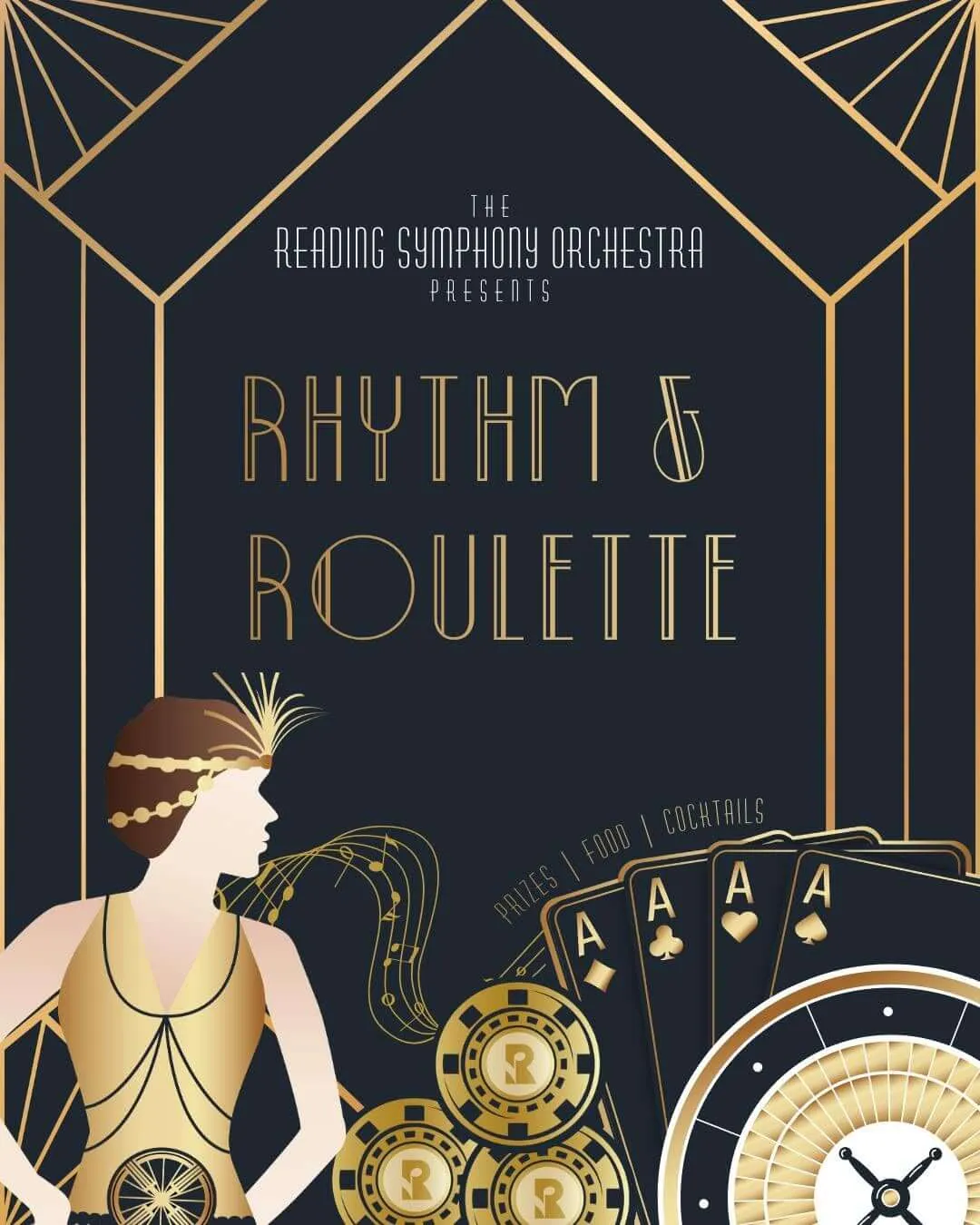
- Pops and film music events that draw on popular and cinematic repertoire
Many concerts are preceded by pre-concert talks or program notes that give audiences background on the composers and works being performed. These short introductions are a common feature of the orchestra's main season and are of particular use to listeners who are new to classical music.
Youth orchestra and education programs
The Reading Symphony Youth Orchestra is one of the organization's most visible educational efforts. It brings together student musicians from middle school and high school programs across Berks County and nearby counties for rehearsals and public performances. Participation typically involves an audition process, weekly rehearsals during the school year, and concerts that give students experience performing full orchestral repertoire under professional direction. For many young players, the ensemble functions as a step between school music programs and collegiate or conservatory study.
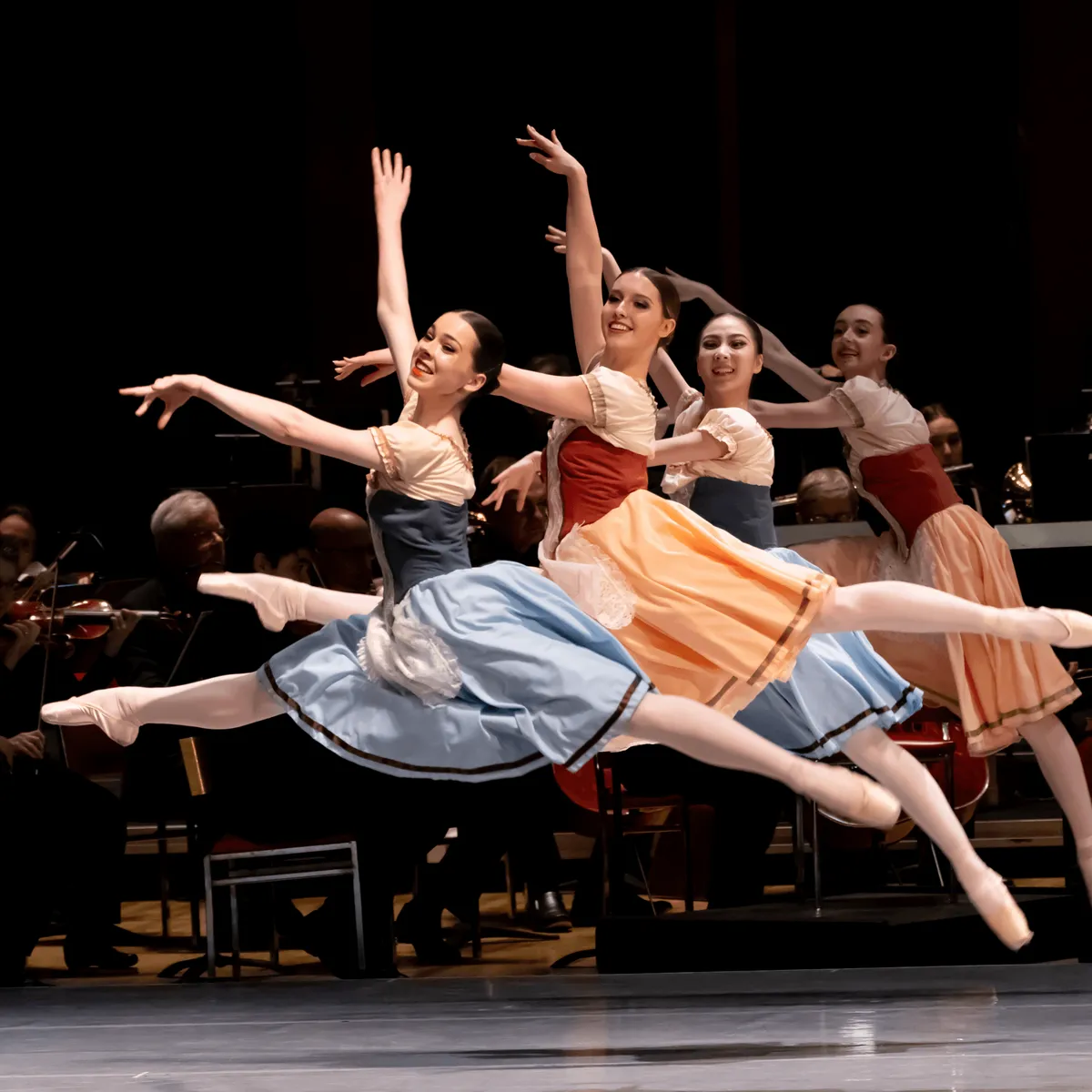
Beyond the youth orchestra, the organization's education work has included school concerts, side-by-side performances in which students play alongside professional musicians, instrument demonstrations, and masterclasses or coaching sessions led by orchestra members and visiting artists. These activities extend the orchestra's presence into classrooms and community settings throughout the year, not only on concert nights.
Location, venue and attending a concert
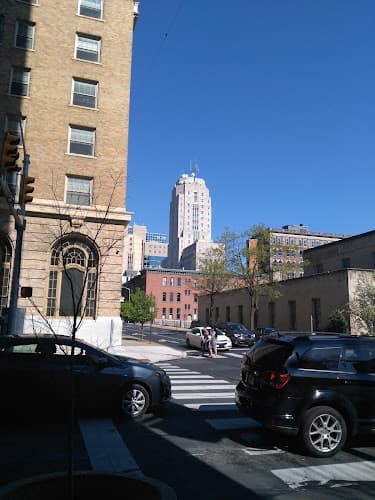
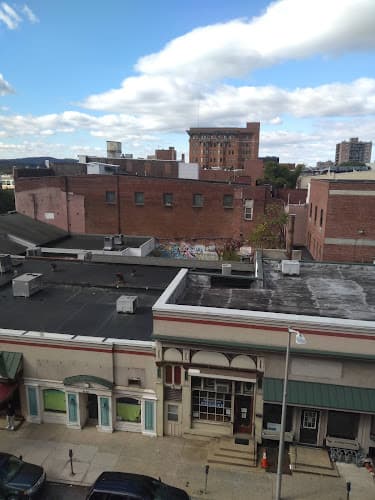
The administrative office at 100 N 5th St sits in the center of Reading, close to the civic and cultural buildings of the downtown core. Main season concerts are performed in the city's historic downtown performance venues, including the restored theater spaces that give the orchestra its distinctive concert setting: ornate interiors, detailed plasterwork and the sort of room that carries orchestral sound well. Smaller programs and community events are sometimes held in churches, schools and other halls around Berks County.
Practical details that are useful to first-time attendees:
- Downtown parking is available in nearby public garages and on-street spaces, with a wheelchair accessible parking lot among the options at the orchestra's location
- The entrance is wheelchair accessible
- Tickets are commonly sold both as full-season subscriptions and as single tickets for individual concerts, with student and group arrangements often available
- Questions about dates, programs, seating, accessibility needs and ticket availability can be directed to the office by phone at +1 610-373-7557
- Concert dress is typically a matter of personal preference, with audiences ranging from business casual to more formal attire
- Doors generally open ahead of the performance to allow time for seating and any pre-concert presentation
Role in the region
For Berks County audiences, the Reading Symphony Orchestra provides regular access to live orchestral performance without the travel required to reach Philadelphia, Allentown or Harrisburg. Its presence also supports the downtown economy on concert nights, when restaurants and parking facilities see additional traffic, and it gives regional musicians and music educators a professional ensemble close to home.
Supporters can contribute through annual giving, sponsorships, program advertising and planned gifts, and volunteers assist with ushering, events and administrative work. Inquiries about donations, volunteering, youth orchestra auditions, group sales or performance bookings can be made through the office by phone during regular business hours.