Dining Out in Berks County: The Complete Guide
A pillar guide to dining out in Berks County: the county's food history, its Pennsylvania Dutch dishes, Reading's Latin American kitchens, its farm economy and markets, and a link to every food guide on the site.
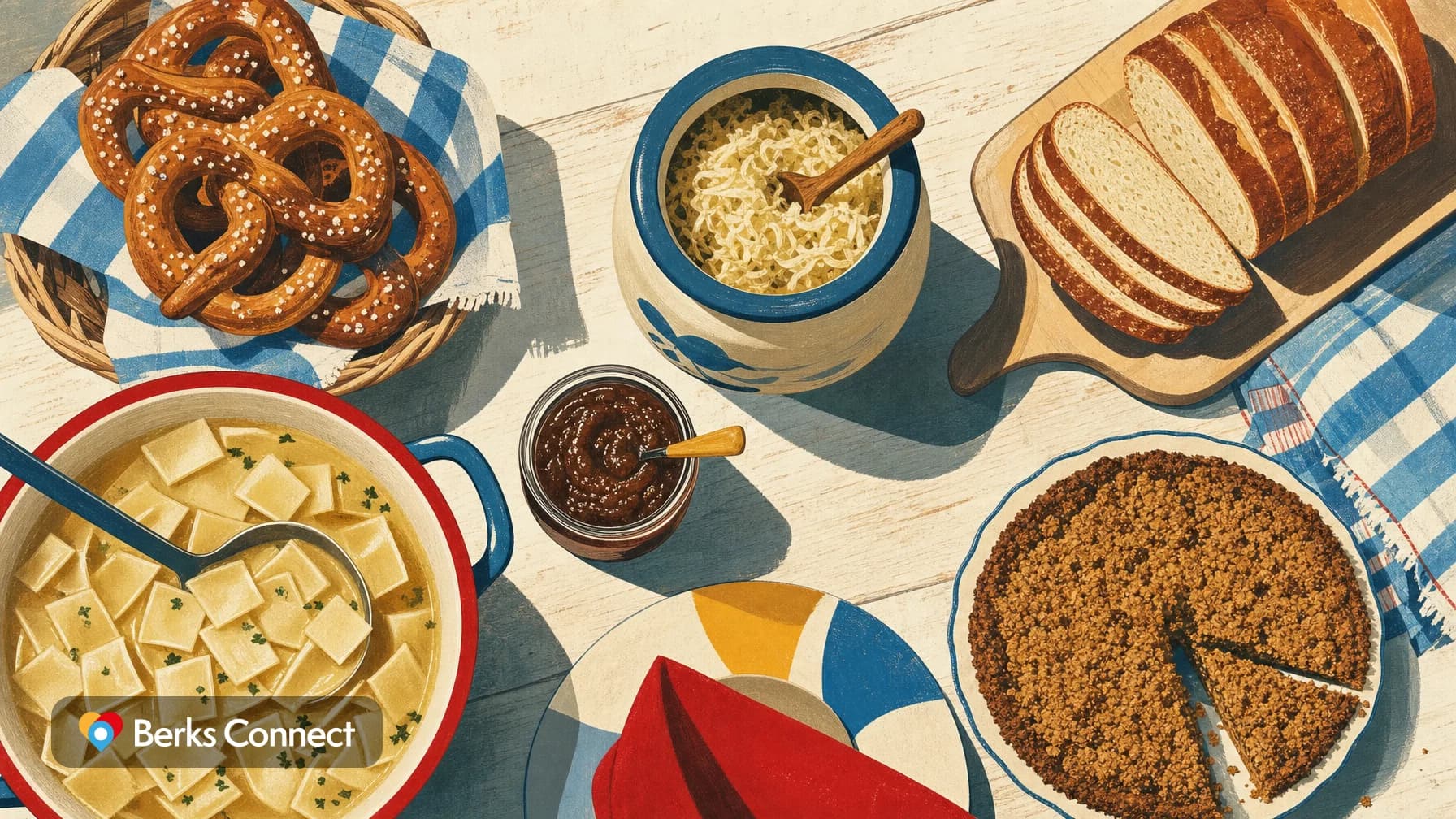
Dining out in Berks County means three traditions sharing one county: a Pennsylvania Dutch kitchen the county's own historical society still documents, the Puerto Rican, Dominican and Mexican cooking of a city where 70.8 percent of residents are Hispanic or Latino, and a farm belt that sold $701,354,000 of product in the 2022 Census of Agriculture. More restaurant listings across the county live on our Berks County restaurants page. This page is the map: what the food here is, where it came from, and which guide to open next.
The short version:
- Pennsylvania Dutch cooking is the base layer, and four of the Berks dishes its own historical society has written up are pot pie, hog maw, fastnachts, and pork and sauerkraut.
- Reading carried the title Pretzel Capital of the World in the pages of the county's own historical journal in 1948, which reported that the industry's wheat was bought inside Berks County.
- Reading's Latin American food is Puerto Rican, Dominican and Mexican, in that order by population.
- The Fairgrounds, Leesport and Shillington farm markets each run on weekdays, and each keeps its own schedule.
- Every dish, cuisine and occasion below has a full guide of its own, and where to eat shows what is open now.
The Pennsylvania Dutch settlement under Berks County food.
The kitchen starts with a migration. Between 1683 and 1783, more than 100,000 German-speaking immigrants came to Pennsylvania and other parts of British North America from the Palatinate, Wuerttemberg and Hesse, the Swiss cantons of Basel, Bern and Zurich, and Alsace and Lorraine, per the history published alongside the German Society of Pennsylvania's state historical marker. Some 65,000 of them settled in Pennsylvania before the American Revolution.
The "Dutch" has nothing to do with the Netherlands. It is an English ear's rendering of Deutsch, the word the German speakers used for themselves.
What they brought was a farm kitchen, and a farm kitchen is what Berks still eats out of. That thread runs from a diner counter to a church hall to a market stall.
The Berks County dishes worth knowing: pot pie, hog maw and fastnachts.
Here are the dishes to know. The Berks History Center wrote up four of them on its own blog in 2018.
- Berks County pot pie. Not a crusted pie. The Berks History Center's executive director described it in 2018 as "a symphony of onion, potato, parsley, sometimes butter and those handmade, hand kneaded, hand rolled, squares or rectangles of dough that differentiate our pot pie from those of the rest of the country," and wrote up a clam version simmered in clam liquor.
- Hog maw. Stuffed pig stomach. The center's education curator described the method in the same series: clean the stomach and soak it overnight, cube potatoes, strip the casing off sausage from a Lenhartsville meat market, mix with salt, pepper and parsley, stuff, sew shut.
- Fastnachts. The Fat Tuesday doughnut, spelled faschnachts in the center's own write-up, rolled in granulated sugar straight out of the fryer.
- Pork and sauerkraut on New Year's Day. "In Berks County (and beyond), pork and sauerkraut have become synonymous with the New Year," the center wrote in 2018, republishing the folklorist Don Yoder's sauerkraut piece from the January 1, 1951 issue of The Pennsylvania Dutchman.
- Scrapple. A Pennsylvania Dutch take on pannhaas, traced to German colonists who settled southeastern and south-central Pennsylvania, per PA Eats. It belongs to a wider region than Berks.
- Berks-style chicken and waffles. The name is a specification, not a location tag. PA Eats defines it as "a gravy-rich chicken stew spooned over fresh waffles that are made without sugar in the batter." It is not the Southern dish.
One clarification worth having in your pocket: Lebanon bologna belongs to Lebanon County. Berks has Dietrich's Meats and Country Store on Old US 22 in Krumsville, which began in 1957 as a family table at Renninger's market near Kutztown, per its own site, and sells fresh and smoked meats alongside Pennsylvania Dutch groceries.
If you want these dishes on a plate rather than in a book, the diners in Berks County guide is the place to start, and breakfast is where scrapple turns up.
Reading's pretzel history, and the 1948 claim behind it.
In April 1948 the Historical Review of Berks County ran an article headlined "Reading, Pretzel Capital of the World," which the Berks History Center republishes. It claimed the city "produces one-third of all the pretzels baked in the United States," with capacity for "15,000,000 pretzels per five-day week, using 900 barrels per week of winter wheat bought, we are informed, all in Berks County."
Treat the tonnage as what it is: a claim the county's own historical journal made in 1948. The clause worth keeping is the last one. A pretzel industry that, by that account, ran on wheat grown inside the same county is the whole Berks food story in miniature.
The Julius Sturgis Pretzel Bakery in Lititz, Lancaster County, founded in 1861, calls itself the first commercial pretzel bakery in America. In Berks, Tom Sturgis Pretzels bakes at a Lancaster Pike address in Cumru Township just outside Reading and runs a retail store at the bakery.
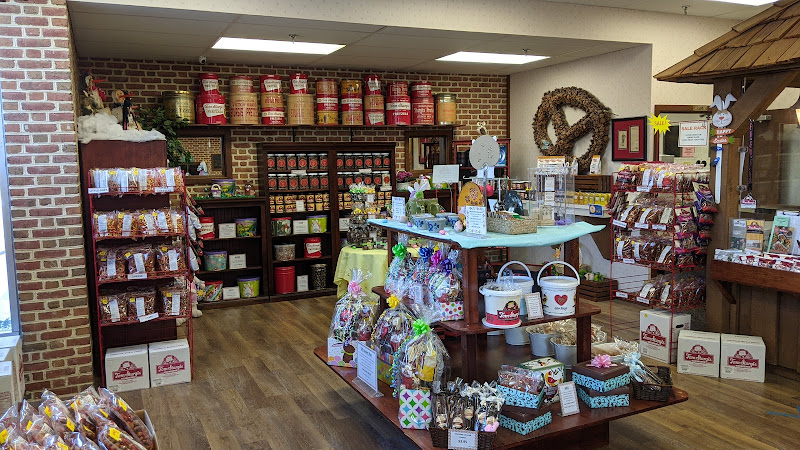
2267 Lancaster Pike, Reading, PA
Soft pretzels are a different errand from hard ones, and both turn up in the bakeries guide. Our Berks County bakeries page carries the listings.
Reading's Puerto Rican, Dominican and Mexican food, by the numbers.
Reading is a Latino city and the food follows. Per the American Community Survey's 2024 five-year estimates, 67,414 of the city's 95,242 residents are Hispanic or Latino, which is 70.8 percent. Countywide the figure is 107,531 of 433,015 residents, or 24.8 percent.
The composition is the part that decides where you eat. The same estimates count 27,799 Puerto Rican residents in the city, 22,520 Dominican and 10,206 Mexican.
Those are three kitchens, not one, which is why we split them across two guides: Puerto Rican and Dominican food in Reading and Mexican food and tacos in Berks County. Anyone treating the city's Latin food as a single cuisine is missing two of the three.
Church-hall cooking in Reading: pierogi and a Greek food festival.
Some of the county's cooking has no storefront. It comes out of parish kitchens on its own calendar, and you have to know it is coming.
- The pierogi church. Nativity of the Blessed Virgin Mary Ukrainian Catholic Church on Summit Avenue in Reading uses that phrase on its own homepage, where volunteers "make all your favorites: pierogi, stuffed cabbage, halushkie, chicken pot pie, potato pancakes, nut roll, & more!" The sales cluster around Lent, Easter and Christmas, and the parish posts its own dates.
- A Greek food festival in October. Sts. Constantine and Helen Greek Orthodox Church on East Wyomissing Boulevard "has been active in Reading, PA since 1914," per its own About page, and its festival page has carried October dates for platters, pastry and a taverna.
Check each parish's own page before you drive. These are volunteer kitchens and the dates move.
Berks County farm country, and the markets where you meet it.
All of it rests on the same base: this is farm country with a city in the middle.
The 2022 Census of Agriculture counts 1,767 farms in Berks County across 208,478 acres, averaging 118 acres each, and puts the market value of products sold at $701,354,000. That ranks Berks third among Pennsylvania's 67 counties and 104th among 3,078 counties nationally, per the U.S. Department of Agriculture's National Agricultural Statistics Service.
Ninety-five percent of those farms are family farms and 14 percent sell directly to consumers, per the same census. Corn for grain leads the acreage at 45,159, then forage at 41,719 and soybeans at 36,162.
The indoor markets are one door into that trade, and they run on their own weekday schedules rather than weekend-only ones.
Fairgrounds Farmers Market keeps a North Fifth Street Highway address in Muhlenberg Township and opens Thursday and Friday 8 to 7 and Saturday 8 to 4, per its own site.
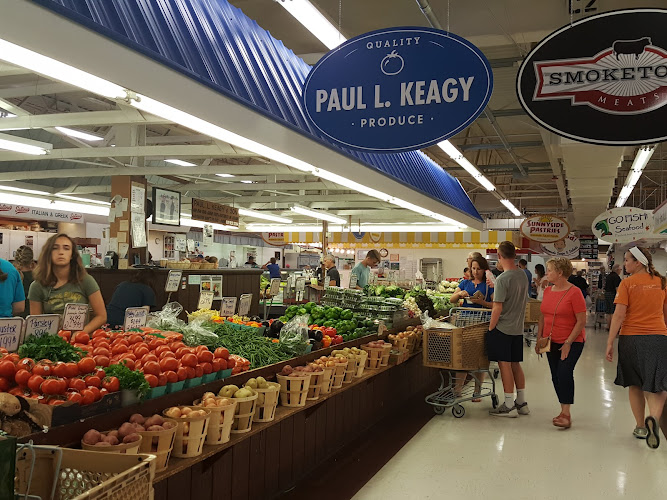
2934 N 5th Street Hwy, Reading, PA
Leesport Farmers Market runs Wednesdays, 8 to 6, on Gernants Church Road in Ontelaunee Township. Its own history page dates the first sale day to July 9, 1947, when 97 head of cattle came in from 25 sellers.
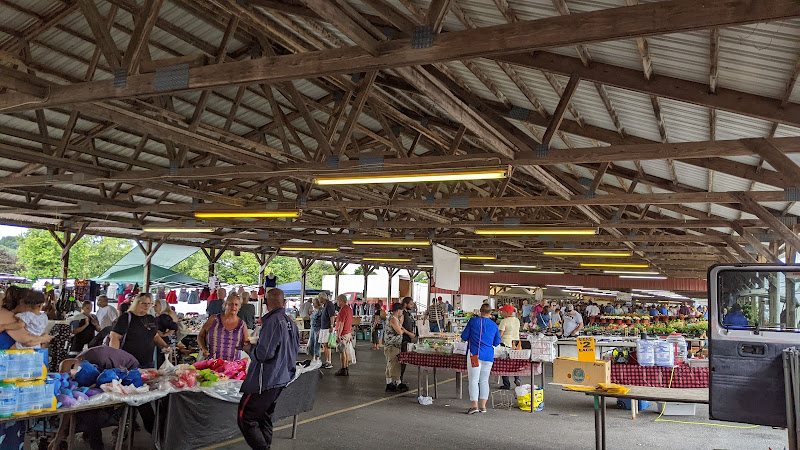
312 Gernants Church Rd, Leesport, PA
Shillington Farmers Market sits on South Summit Avenue in Cumru Township, just outside the borough, and opens Thursday and Friday 7 to 7 and Saturday 7 to 4, per its own site.
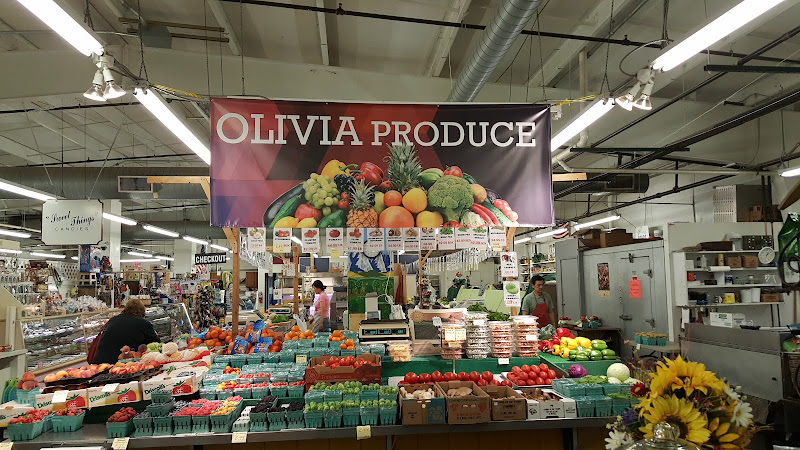
10 S Summit Ave, Shillington, PA
Renninger's near Kutztown and the PA Dutch Farmers Market in Wyomissing are indoor markets too, and the farm stores, creameries and roadside stands are their own subject. That is what farm markets in Berks County: where to buy direct covers, with listings on our farm stands and markets page.
Where to eat in Berks County, by dish and cuisine.
Each line below is a full guide of its own, and more restaurant listings across the county live on our Berks County restaurants page.
By dish:
- The best pizza in Berks County, shop by shop.
- Where to get the best cheesesteak in Berks County.
- Where to find the best hoagies in Berks County, delis included.
- Best wings in Berks County, bar by bar.
- The best burgers in Berks County, town by town.
- Best BBQ in Berks County.
- Best steakhouses in Berks County and near Reading.
By cuisine:
- The best Mexican food and tacos in Berks County.
- Best Puerto Rican and Dominican food in Reading.
- The best Chinese food in Berks County and Reading.
- Best sushi in Berks County, including all you can eat near Reading.
By meal, and by what you drink:
- Best breakfast spots in Berks County.
- Diners in Berks County, where to go and what to order.
- The best bakeries in Berks County and Reading.
- Best ice cream in Berks County, town by town.
- The best coffee shops in Berks County, with listings on our cafes page.
- The best breweries in Berks County and the best wineries in Berks County, with breweries and wineries listed by county.
- Food trucks in Berks County and where to find them, plus the food trucks listing page.
Where to eat in Berks County by occasion.
Pick the constraint first and the restaurant second. That is how the occasion guides are built.
- Out with kids. Kid-friendly family restaurants in Berks County.
- Date night. Romantic restaurants in Berks County for date night.
- Before a show or a game. Restaurants near Santander Arena in Reading, for the nights when the clock is the whole problem.
Where to eat by town: Reading, Wyomissing and Hamburg.
Three towns have a guide of their own, and the towns below have listing pages.
- Best restaurants in Reading, PA, with listings at Reading restaurants.
- Restaurants in Wyomissing, PA: where to eat by street, with listings at Wyomissing restaurants.
- Restaurants in Hamburg, PA: downtown and off I-78, with listings at Hamburg restaurants.
Listing pages also run for West Reading, Kutztown, Shillington, Sinking Spring, Boyertown and Birdsboro.
Browse Berks County restaurants with our where to eat tool.
The tool reads from the directory as the directory changes, which is how it answers the questions a written guide cannot.
- Where to eat in Berks County is the hub: browse by cuisine and by dish, and see food deals, restaurant openings and food events as they post.
- Restaurant menus in Berks County lists the Berks County restaurants whose full menus are on the site, so you can read one before you drive.
- Restaurants open on Mondays in Berks County answers the Monday question directly.
- Local favorites is the ratings view of the same data.
Dining out in Berks County: frequently asked questions.
What food is Berks County known for? Pot pie made with square-cut noodle dough rather than a crust, hog maw, fastnachts on Fat Tuesday, and pork and sauerkraut at New Year's, all written up by the Berks History Center on its own blog in 2018. Add scrapple and Berks-style chicken and waffles, both defined by PA Eats, and the pretzel reputation Reading carried in its own historical journal in 1948.
What is Berks County pot pie? It is a simmered dish, not a baked one. The Berks History Center's executive director described it in 2018 as onion, potato, parsley, sometimes butter, and hand-rolled squares or rectangles of dough that "differentiate our pot pie from those of the rest of the country." A clam version made with clam liquor is a local variation written up in the same piece.
Where should I eat in Reading, PA? Start with best restaurants in Reading, PA for the citywide picture and Puerto Rican and Dominican food in Reading for the cooking the census figures point at. The Reading restaurants listing page is there when you want to browse rather than read.
Are Berks County farm markets open during the week? Yes, and midweek is the point. Leesport Farmers Market runs Wednesdays, 8 to 6, Fairgrounds Farmers Market runs Thursday and Friday 8 to 7 plus Saturday 8 to 4, and Shillington Farmers Market runs Thursday and Friday 7 to 7 plus Saturday 7 to 4, each per its own site.
How big is farming in Berks County? The 2022 Census of Agriculture counts 1,767 farms on 208,478 acres, with $701,354,000 in products sold, third among Pennsylvania's 67 counties and 104th among 3,078 counties nationwide. Ninety-five percent are family farms and 14 percent sell directly to consumers, which is the statistic you can taste.
Sources
- ExplorePAHistory.com (WITF, Inc.), German Society of Pennsylvania historical marker page: the 1683 to 1783 German-speaking migration figures and the regions of origin, from the history published alongside the marker rather than from the marker inscription itself.
- Berks History Center, Anne C. Friedmann, "Reading, Pretzel Capital of the World," Historical Review of Berks County (April 1948): the one-third of all US pretzels claim, the 15,000,000 per five-day week capacity, and the 900 barrels of Berks County winter wheat.
- Tom Sturgis Pretzels, company site: the Sturgis pretzel family and the retail store at the bakery.
- Julius Sturgis Pretzel Bakery, Lititz: its own statement that the bakery, founded in 1861, is the first commercial pretzel bakery in America.
- Berks History Center, "Clam Pot Pie: A Local Twist on a Uniquely Berks County Dish" (February 23, 2018): the definition of Berks County pot pie and the quoted line about the squares of dough.
- Berks History Center, "Pig Stomach & Other Berks County Foodways" (January 16, 2018): how hog maw is prepared and the Lenhartsville meat market sausage.
- Berks History Center, "Faschnachts: A Fat Tuesday Family Tradition" (February 9, 2018): fastnachts as a Fat Tuesday tradition, the spelling, and the 2018 Berks County Foodways Project.
- Berks History Center, "Sauerkraut History: The Pennsylvania Dutchman" (January 1, 2018): the pork and sauerkraut New Year quotation and the January 1, 1951 Don Yoder source.
- PA Eats, "PA Food Icons: Scrapple": scrapple as a Pennsylvania Dutch take on pannhaas from German colonists in southeastern and south-central Pennsylvania.
- PA Eats, "PA Food Icons: Pennsylvania Chicken & Waffles": the quoted definition of Berks-style chicken and waffles.
- Dietrich's Meats and Country Store, "About Us": the 1957 start at a table at Renninger's market near Kutztown, the Krumsville location on Old US 22, and the product range.
- U.S. Census Bureau, American Community Survey 2024 five-year estimates, tables B03003 and B03001, City of Reading (retrieved via Census Reporter): the 67,414 of 95,242 Hispanic or Latino figure and the Puerto Rican, Dominican and Mexican counts.
- U.S. Census Bureau, American Community Survey 2024 five-year estimates, table B03003, Berks County (retrieved via Census Reporter): the 107,531 of 433,015 countywide figure.
- Nativity of the Blessed Virgin Mary Ukrainian Catholic Church, Reading: the "pierogi church" phrase, the quoted food list, and the Lenten, Easter and Christmas sales.
- Sts. Constantine and Helen Greek Orthodox Church, "Who We Are": the quoted line that the parish has been active in Reading since 1914.
- Sts. Constantine and Helen Greek Orthodox Church, Greek Food Festival page: the October festival dates, the East Wyomissing Boulevard address, and the platters, pastry and taverna.
- USDA National Agricultural Statistics Service, 2022 Census of Agriculture, Berks County Profile (PDF): farm count, acreage, average size, market value of products sold, state and national rank, family-farm and direct-to-consumer shares, and top crops by acreage.
- Leesport Farmers Market, history page: the July 9, 1947 first sale day, the 97 head of cattle from 25 sellers, and the Wednesday 8 to 6 schedule.
- Fairgrounds Farmers Market: the North Fifth Street Highway address and the Thursday, Friday and Saturday hours.
- Shillington Farmers Market: the South Summit Avenue address and the Thursday, Friday and Saturday hours.